 WAFU
WAFU
How Leak Testing Helps LED Dot Matrix Module Manufacturers Reduce Water Ingress Risk
1. Common Sealing Problems of LED Dot Matrix Modules
LED dot matrix modules are widely used in information display screens, outdoor advertising displays, traffic guidance displays, industrial display equipment, and smart terminals. Some products need to operate for long periods in humid, rainy, or highly temperature-variable environments. Therefore, the waterproof performance of the module housing and sealing structure directly affects product reliability and service life.
If an LED dot matrix module has problems such as housing deformation, improper assembly, uneven potting, or poor sealing around connectors, moisture may enter the product through tiny gaps, causing LED damage, circuit corrosion, short circuits, or display abnormalities. Leak testing can quickly identify leakage defects before the product leaves the factory, helping reduce the risk of after-sales failures.
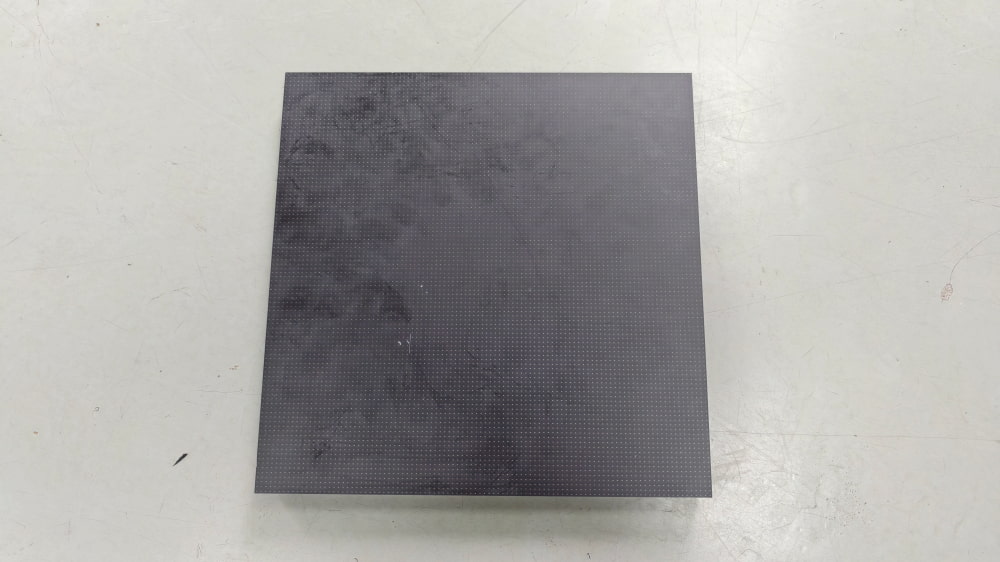 Figure 1: LED dot matrix module to be tested
2. Fixture Design
Fixture design is also an important part of leak testing. An improperly designed fixture may cause deviations in test results, resulting in testing failures, good products being judged as defective, defective products being judged as qualified, or even product damage.
1. Fixture Positioning
The lower fixture is designed with positioning structures according to the product shape to ensure consistent positioning during each loading operation and reduce the influence of clamping errors on test results.
This test is designed to inspect the overall sealing performance of a finished LED dot matrix module. To prevent scratches or chipped corners caused by accidental impact during loading, Teflon protection strips are installed around the lower fixture.
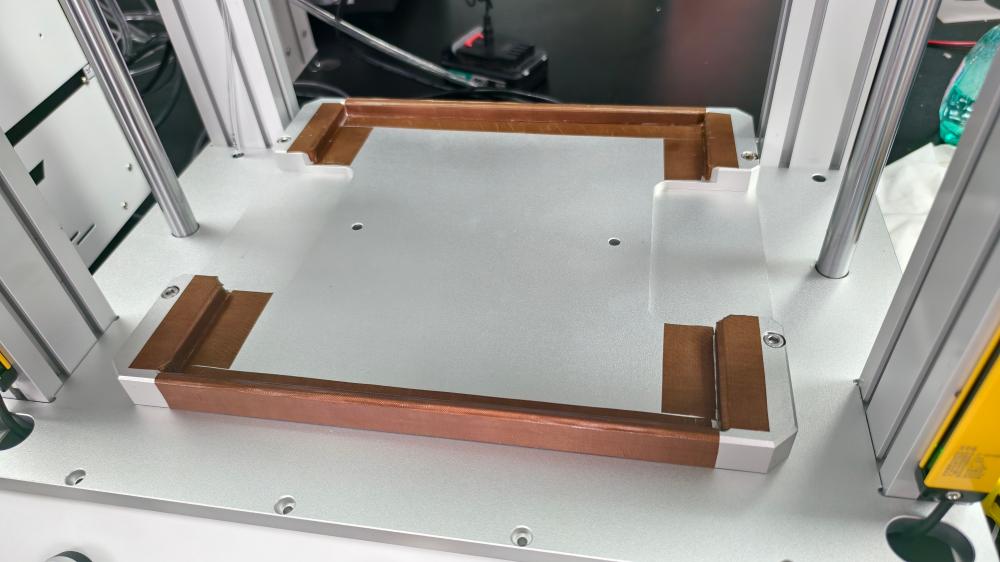 Figure 2: Lower positioning fixture
2. Fixture Sealing
The upper fixture seals the connector of the LED dot matrix module, introduces compressed air into the product, and provides positioning support. A properly designed sealing structure helps prevent leakage from the fixture itself and improves the stability and reliability of test results.
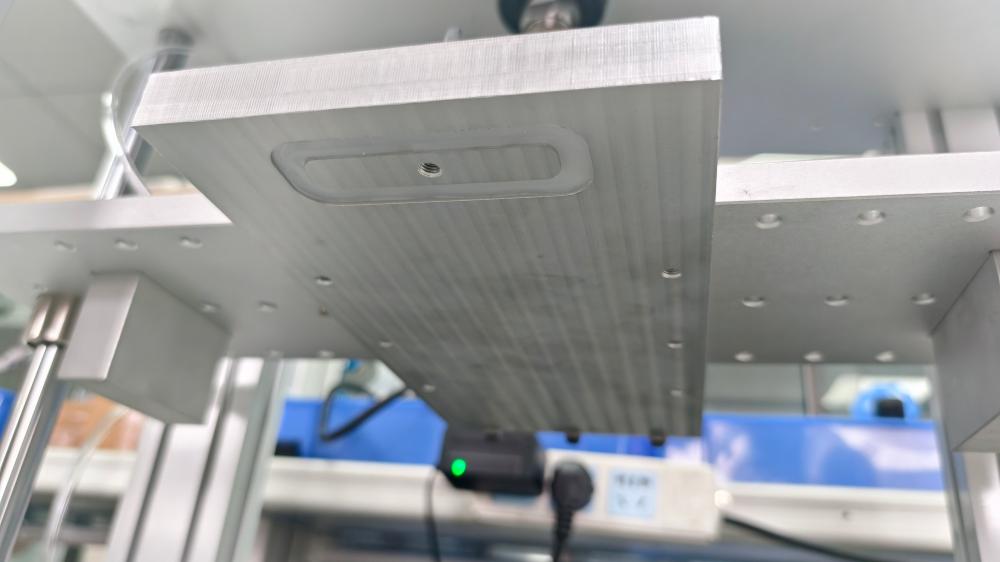 Figure 3: Upper fixture for sealing and positioning
3. Determining Test Parameters
The leak testing parameters for LED dot matrix modules cannot simply be set to fixed values. If the test pressure is too low, potential leaks may not be effectively detected. If the pressure is too high, it may cause product deformation, affect test results, or even damage the workpiece.
When developing a leak testing solution, it is generally necessary to determine the appropriate parameters based on customer requirements, product material and structure, internal volume, and other factors. Through sample testing and repeatability verification, WAFU Brothers engineers establish appropriate test parameters and leakage acceptance criteria.
After repeated testing and verification by the technical team, the leak testing parameters for this LED dot matrix module are as follows:
- Test Pressure: 20 kPa
- Filling Time: 5 seconds
- Stabilization Time: 10 seconds
- Test Time: 10 seconds
- Leakage Upper Limit: 100 Pa
4. Testing Procedure
The actual leak testing process can be viewed in the video below:
5. Solution Summary
To meet the waterproofing and sealing quality control requirements of LED dot matrix modules, a leak tester combined with a customized fixture can provide fast, non-destructive, water-free, and quantifiable leakage testing. This solution helps manufacturers identify assembly and sealing defects in a timely manner, improve the waterproof performance and product yield of LED modules, and enhance overall quality control efficiency.
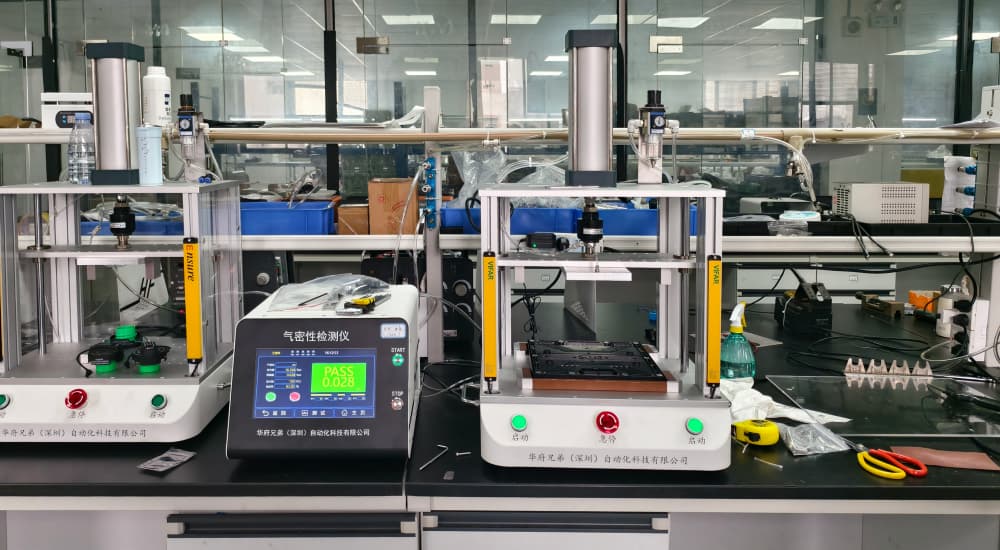 Figure 4: Dedicated leak tester for LED dot matrix modules