 WAFU
WAFU
How Can a High-Precision Leak Tester Instantly Expose the "False Seal" of an Automotive Fuel Tank Cap?
1. Product Overview
An automotive fuel tank cap is a sealing component installed on a vehicle's fuel filler neck. Its primary function is to seal the fuel tank system, preventing fuel leakage, fuel vapor evaporation, and the entry of dust, moisture, and other contaminants. Although small in size, the fuel tank cap is an essential part of the vehicle's fuel system, playing a vital role in safety, environmental protection, and reliable vehicle operation.
2. Why Does an Automotive Fuel Tank Cap Require Leak Testing?
Since the fuel tank cap directly affects the sealing performance of the fuel system, it typically requires leak testing during production. The test verifies whether the cap has poor sealing, cracks, assembly defects, or other issues, ensuring the product complies with quality standards and regulatory requirements.
| Leak Prevention | As the primary function of a fuel tank cap is sealing, the product itself must provide reliable leak-tight performance. |
| Safety & Durability | Fuel vapor mixed with air presents a fire hazard when exposed to an ignition source. Meanwhile, water and dust entering the tank can contaminate the fuel and corrode the fuel system. |
| Prevent Fuel Evaporation | Modern vehicles generally use Evaporative Emission Control (EVAP) systems. A properly sealed fuel tank cap effectively reduces fuel vapor emissions, lowers VOC (Volatile Organic Compound) emissions, and helps meet environmental regulations. |
| Maintain Fuel Tank Pressure Balance | Some fuel tank caps incorporate a pressure relief valve or vacuum valve to regulate the internal pressure of the fuel tank within a specified range, preventing abnormal pressure caused by temperature changes or fuel consumption. |
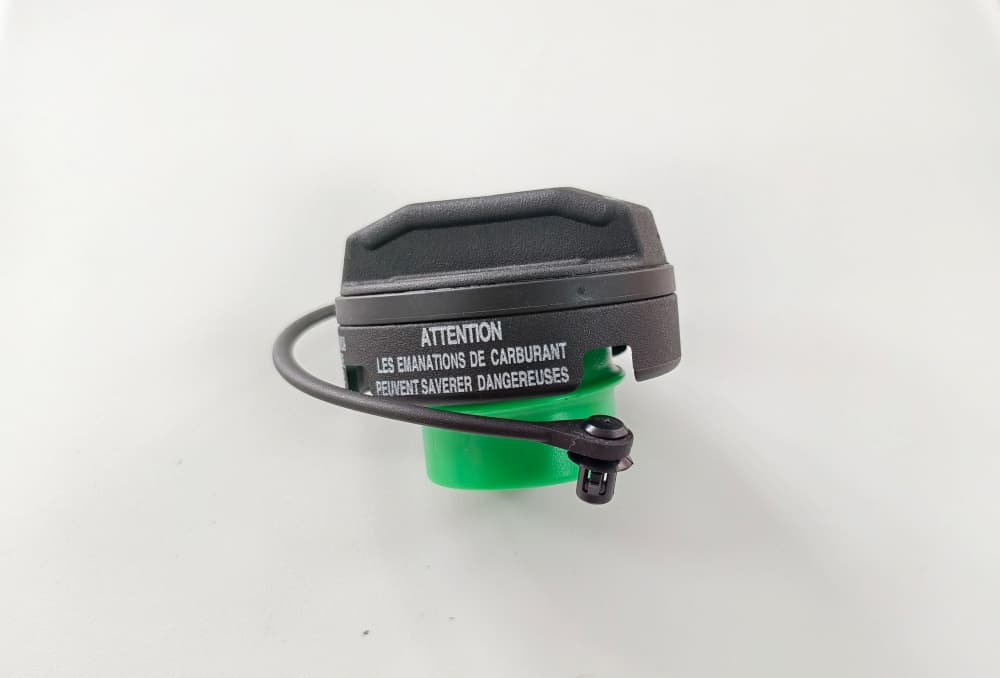 Figure 1: Automotive fuel tank cap to be tested
3. Basic Solution Design
The entire fuel tank cap needs to be tested. Since it is a sealed component with an opening, the solution only requires designing a fixture to seal the opening and introducing air into it for leak testing.
Positioning stops are incorporated into the fixture to ensure consistent positioning and repeatable testing accuracy.
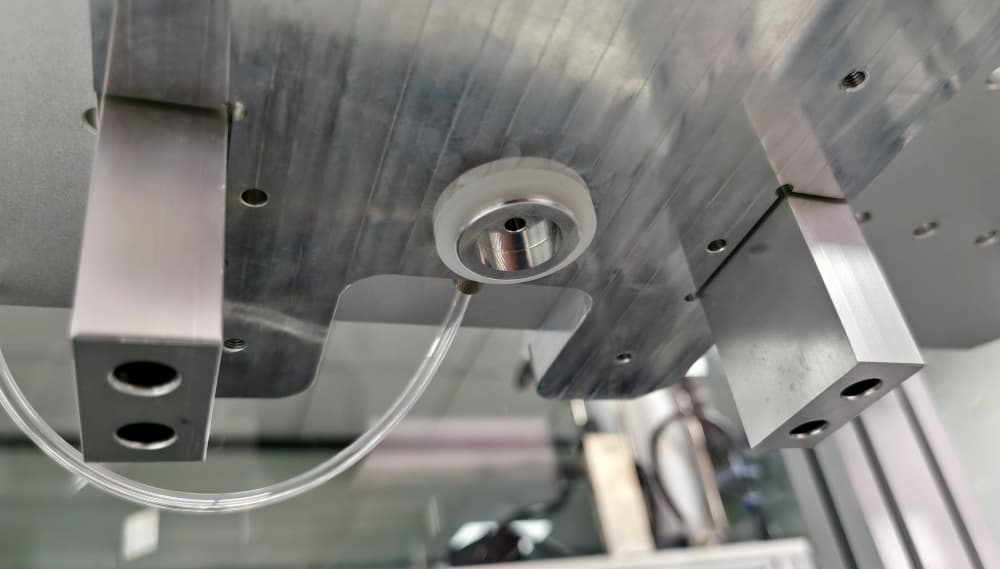 Figure 2: Upper fixture for air filling and sealing
Testing Challenge: The fuel tank cap is already a finished product during inspection. Excessive clamping force may scratch or even damage the product.
Solution: PTFE (Teflon) is applied to the fixture contact surfaces to prevent wear during clamping, while mechanical stops are designed to avoid excessive compression that could damage the product.
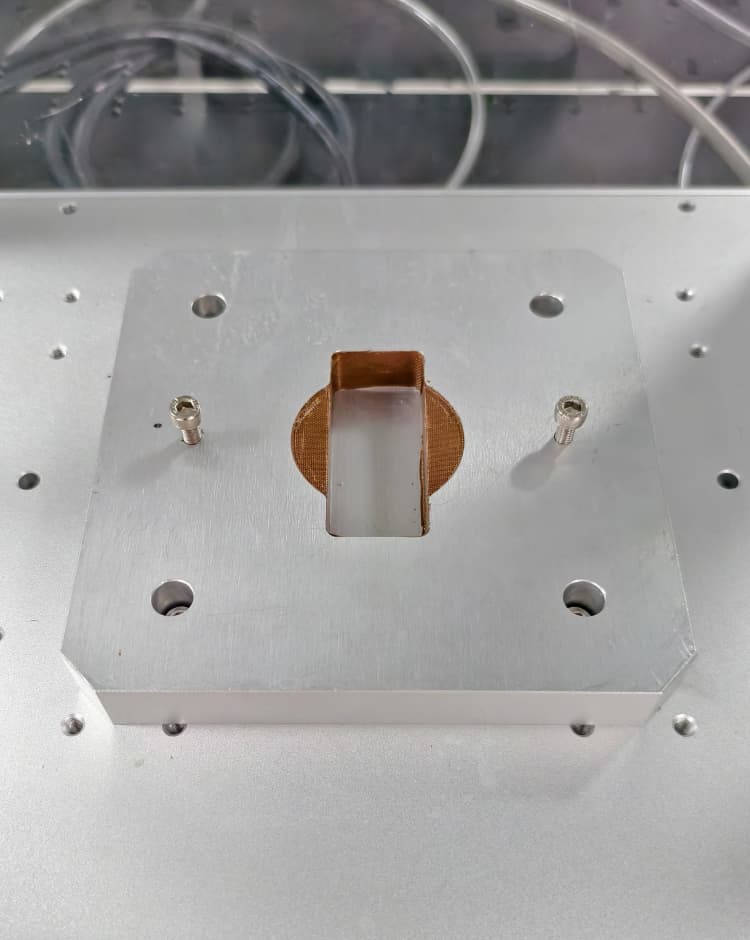 Figure 3: Lower fixture for positioning the product
4. Final Solution
Based on the customer's requirements and the product characteristics, we developed a dedicated leak tester for automotive fuel tank caps. The equipment adopts the flow method, providing the high measurement accuracy required for fuel tank cap leak testing.
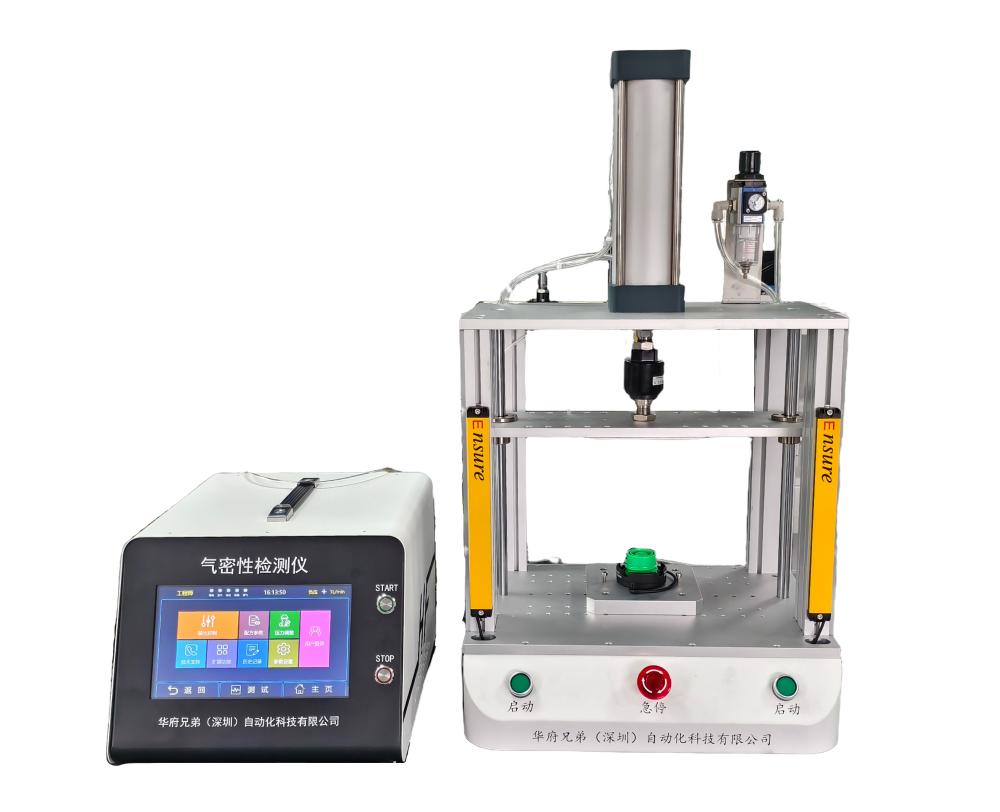 Figure 4: WAFU Brothers dedicated leak tester for automotive fuel tank caps
5. Testing Procedure
The flow method is used with a negative pressure test. The test pressure is -95 mbar, and the maximum allowable leakage rate is 50 SCCM.