 WAFU
WAFU
How to Reliably Perform Leak Testing on Medical Tubing Connectors
1. High-Precision Testing Solution for Micro-Leak Challenges
Medical products demand far stricter sealing performance than ordinary industrial parts.
The product to be tested in this case is a medical tubing connector. Since it is used in medical devices, even the smallest leak can compromise product performance or even create safety risks.
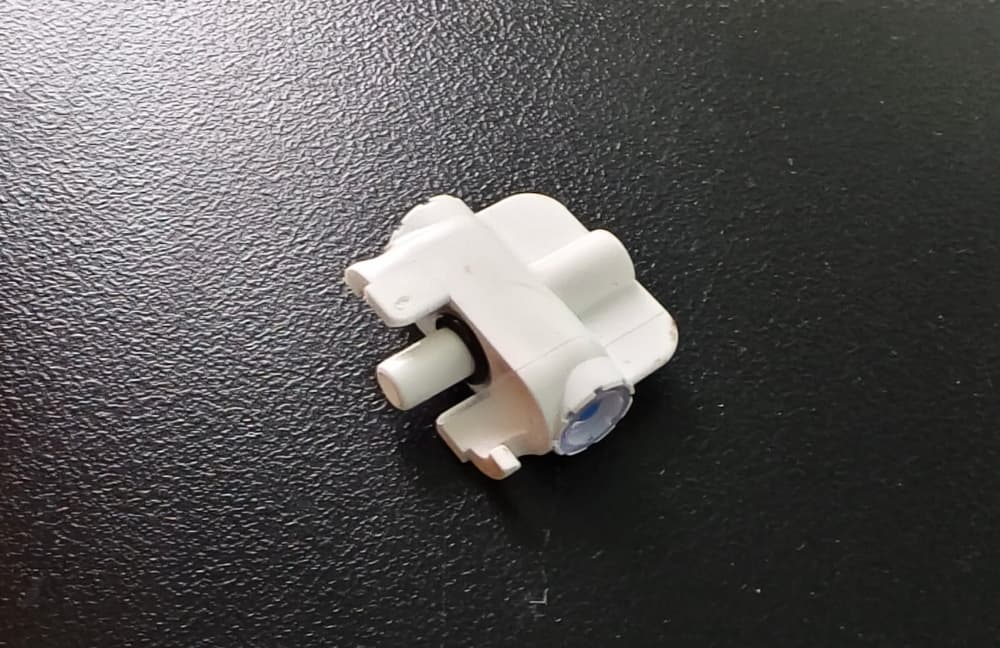 Figure 1: Medical tubing connector to be tested
2. Product Structure Analysis
This medical tubing connector is a typical plastic injection-molded part with connection ports at both ends and a complete internal flow channel. The real focus of the test is not whether the ports are open, but:
- 1. Whether there are micro-cracks in the flow channel from molding;
- 2. Whether there is short-shot or shrinkage porosity in the sealing area;
- 3. Whether the flow channel maintains good sealing performance.
Therefore, the primary test location in this project is the middle flow channel.
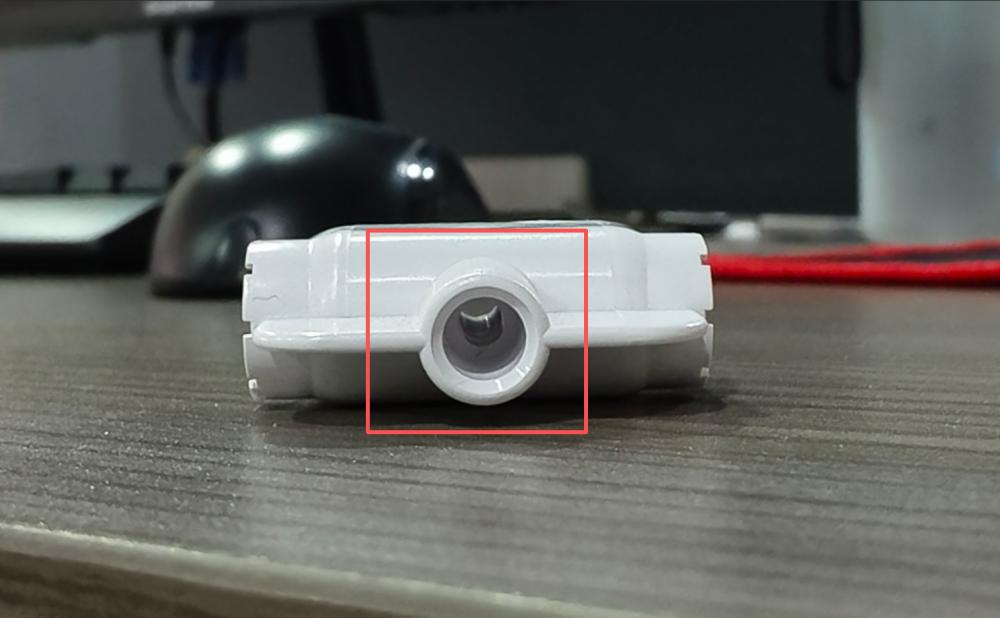 Figure 2: Test position
3. Why Was Positive Pressure Not Chosen?
This case uses vacuum (negative pressure) leak testing. Why not positive pressure?
For medical products like this, positive pressure can work, but it is not the optimal solution. These products often experience negative pressure during actual use, so negative‑pressure testing better simulates real operating conditions. Moreover, if there are extremely small cracks, the negative‑pressure differential method is more sensitive to minute pressure changes, making it easier to detect hidden leaks.
4. Fixture Design – The Key to Test Stability
In leak testing, the most critical element is not just the leak tester itself – fixture design is often equally important.
Because the product is small, even a slight positioning error can shift the sealing point and affect test results. Since the customer’s production volume is low, the fixture was designed as a manual type.
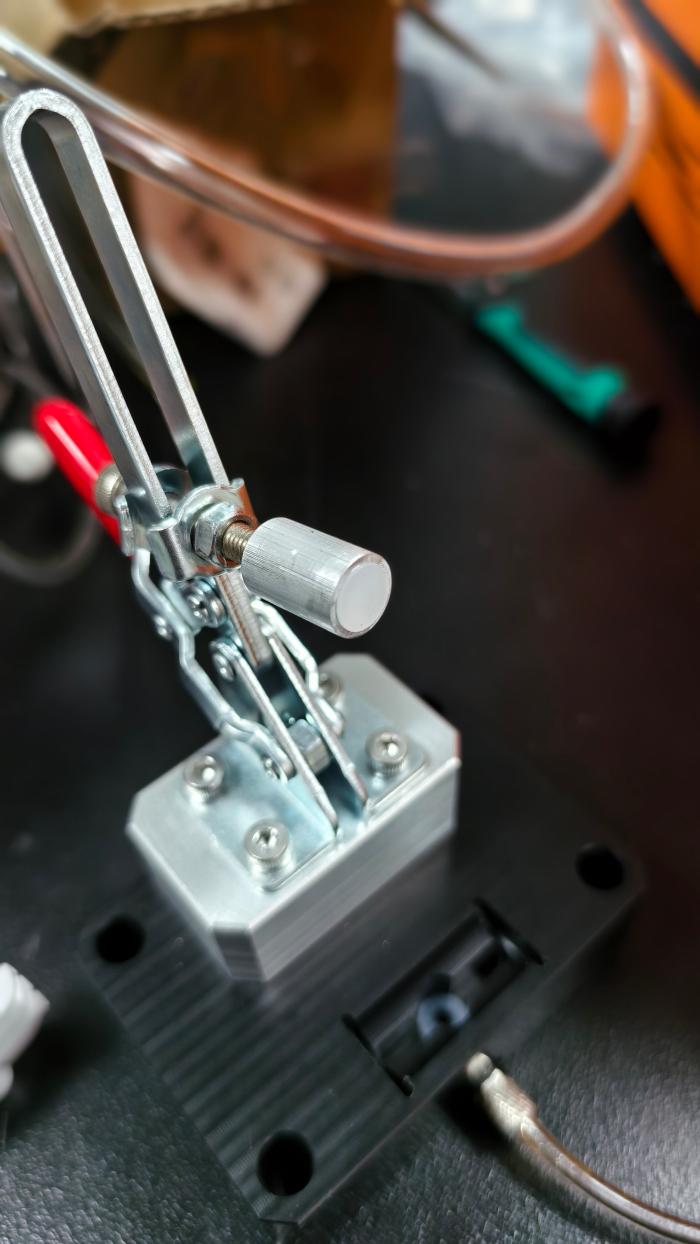 Figure 3: Test fixture
5. How Does the Differential Pressure Method Determine Leaks?
This case uses the differential pressure method. The product is compared with a reference chamber. If the product is perfectly sealed, the pressure changes in the reference and test chambers remain consistent. Once there is a crack, poor seal, or assembly defect, the pressure change in the test chamber deviates from the reference, and the system quickly identifies the leak and automatically determines whether the part passes.
The entire process requires no manual judgment, ensuring stable and reliable results.
6. Final Delivered Solution
Based on the customer’s production needs, WAFU Brothers customized a dedicated leak tester for medical tubing connectors. Key features include:
- High‑precision differential pressure testing;
- Test pressure: –100 kPa (negative pressure);
- Fully automatic cycle: vacuum, stabilization, test, and exhaust;
- Automatic PASS/FAIL judgment;
- Supports continuous inline testing;
- Traceable test data with optional communication to the customer’s MES system.
After deployment, the system achieves 100% inline leak testing of medical tubing connectors, effectively rejecting defective parts and improving product quality.
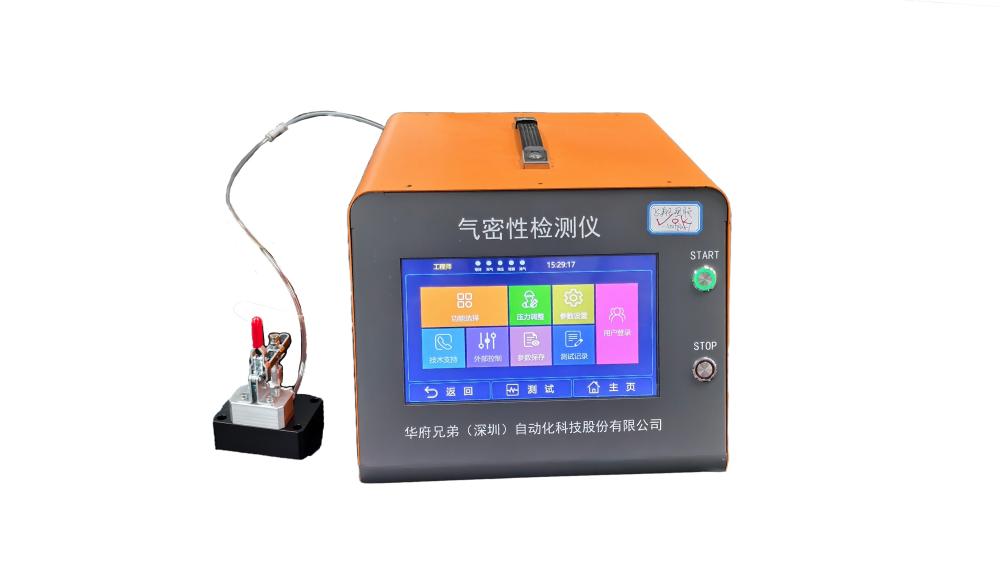 Figure 4: WAFU Brothers dedicated leak tester for medical tubing connectors
7. Why Is the Differential Pressure Method Increasingly Adopted in the Medical Industry?
Compared with traditional water immersion or positive‑pressure leak testing, the differential pressure method offers higher sensitivity to detect micro‑leaks, meeting the stringent demands of medical device manufacturing. It is also highly automated, suitable for high‑volume continuous production.
For high‑sealing‑requirement products such as medical tubing connectors, a well‑designed leak testing solution combined with the high‑precision differential pressure method effectively guarantees product quality.