 WAFU
WAFU
Cost Reduction & Efficiency Improvement | AIMA “Laotoule” Four-Wheel Electric Vehicle Tail Light Automated
Leak Testing Case
1. Test Object
During the use of low-speed four-wheel electric vehicles, the tail lights are exposed to outdoor environments for extended periods. Various electronic components are installed inside the tail lights. If the sealing performance is insufficient, liquids, moisture, or dust may enter the lamp housing, potentially causing lens fogging, short circuits, and LED failure.
The test object in this case is an AIMA low-speed four-wheel electric vehicle tail light. The entire tail light is tested to verify whether the sealing adhesive is properly sealed and whether there are small cracks in the housing.
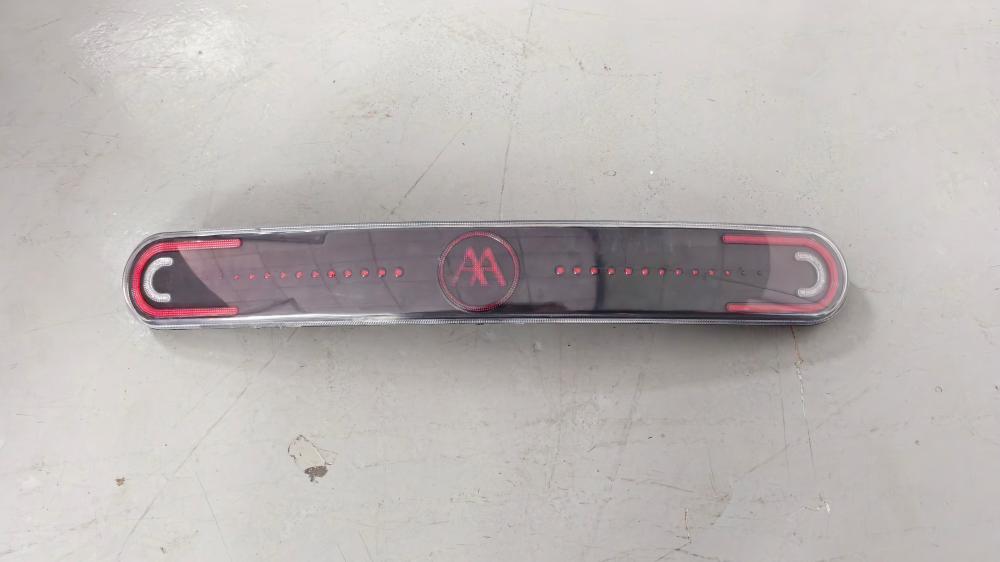 Figure 1: Four-wheel electric vehicle tail light to be tested
2. Testing Method
This type of tail light features a sealed opening design. Therefore, the entire tail light can be tested simply by sealing the opening.
During testing, the opening of the tail light is first sealed with a dedicated sealing fixture. The leak tester then applies vacuum pressure to the tail light. Once the pressure reaches the preset value, the system enters the pressure-holding stage and subsequently monitors the pressure change. If the pressure leakage remains within the preset range, the product is determined to be qualified. If the pressure rises too quickly or the leakage exceeds the specified limit, the product is determined to have insufficient sealing performance.
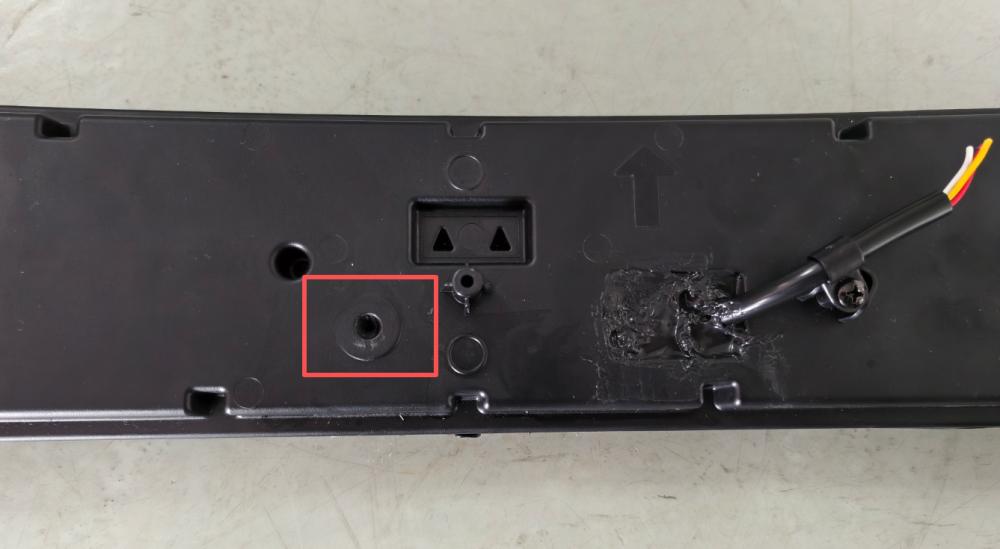 Figure 2: Opening sealed for vacuum evacuation
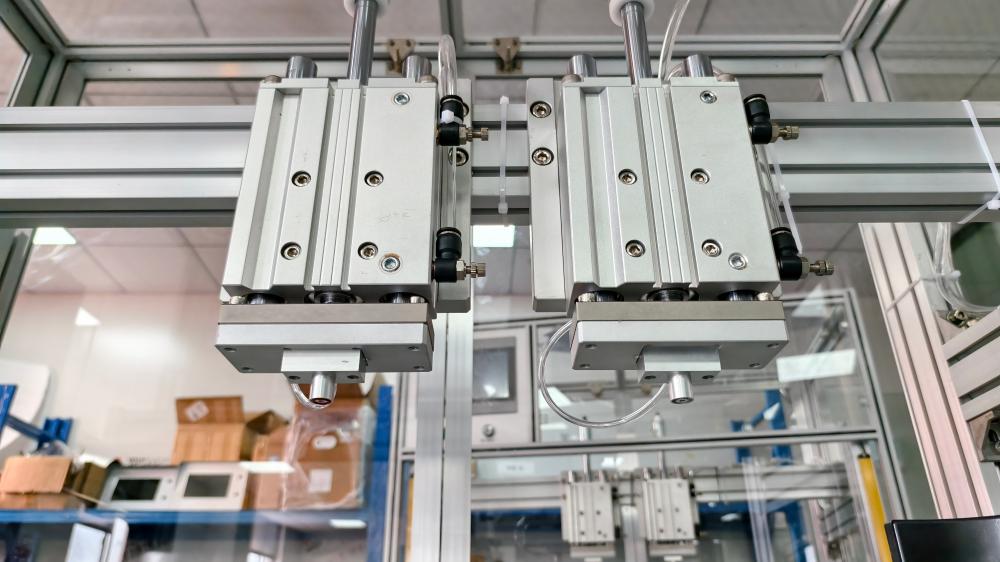 Figure 3: Upper fixture used to seal the vacuum opening
3. Test Parameter Settings
Based on the structure of the four-wheel electric vehicle tail light and the testing requirements, the parameters are set as follows:
| Item | Parameter |
|---|---|
| Testing Method | Direct Pressure Method |
| Pressure Method | Vacuum |
| Test Pressure | -20 kPa |
| Evacuation / Filling Time | 15 seconds |
| Pressure Holding Time | 10 seconds |
| Test Time | 15 seconds |
| Test Area | Entire Tail Light |
| Sealing Method | “Opening Type” |
4. Testing Process
Testing process video:
5. Successful Cost Reduction & Efficiency Improvement
After the Dedicated Leak Testing Cabinet for Four-Wheel Electric Vehicle Tail Lights was integrated into the production line, tail light leak testing was gradually transitioned from traditional manual water testing to automated testing with a leak tester, making the testing process more stable, clean, and efficient.
Leak testing can quickly screen out tail lights with poor sealing performance. More products can be tested within the same amount of time. The equipment automatically determines the test results, reducing reliance on operator experience, minimizing false positives and false negatives, and improving the testing efficiency of the production line.
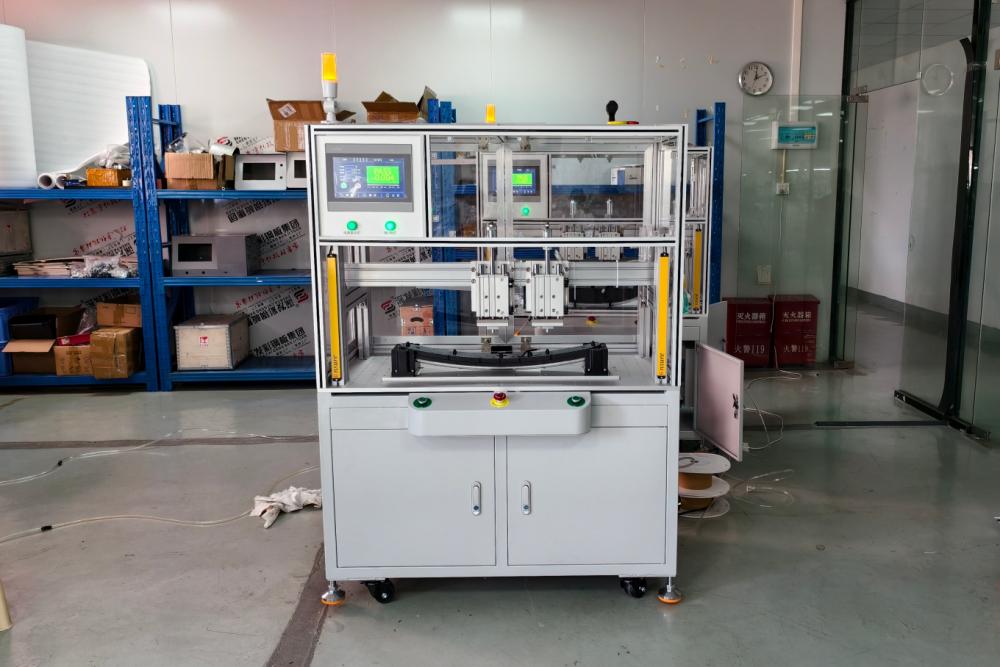 Figure 4: WAFU Brothers dedicated leak testing cabinet for four-wheel electric vehicle tail lights