 WAFU
WAFU
Micro-Crack Leakage and Batch Rework Caused by Misjudgment — How Leak Testing Machines Build a "Sealing Barrier" for New Energy Vehicle Coolant Pipe Bends
I. Quality risks in production
Coolant elbow pipes for new energy vehicles are typically made of aluminum alloy, stainless steel, or composite materials. After processes such as bending and flaring, the following sealing risks may arise:
- Micro-cracks generated during the bending process;
- Fine leaks caused by material processing;
- Pinholes and sand holes formed during the forming process;
Many of these defects cannot be detected by the naked eye, leading to defective parts being mistakenly accepted as good and causing rework. Misjudgment leads to batch rework, which not only consumes substantial labor costs but also severely delays production line delivery schedules.
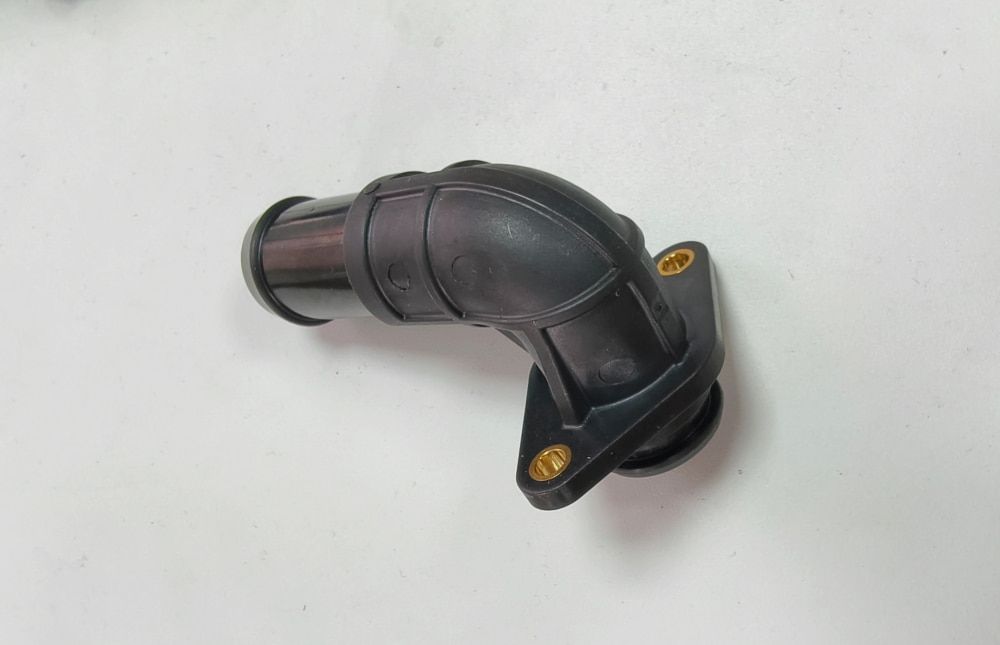 Figure 1: Coolant elbow pipe to be tested
II. Solution
For new energy vehicle coolant elbow pipes, this case uses the WAFU Brothers four-channel leak tester dedicated to coolant elbow pipes, combined with custom sealing fixtures, to achieve simultaneous testing on multiple stations, improving production efficiency and meeting line takt time requirements.
During testing, the elbow pipe is placed into the station, and the sealing fixture seals the product. The side-push assembly reduces the internal volume of the product while sealing, speeding up the test cycle and improving efficiency.
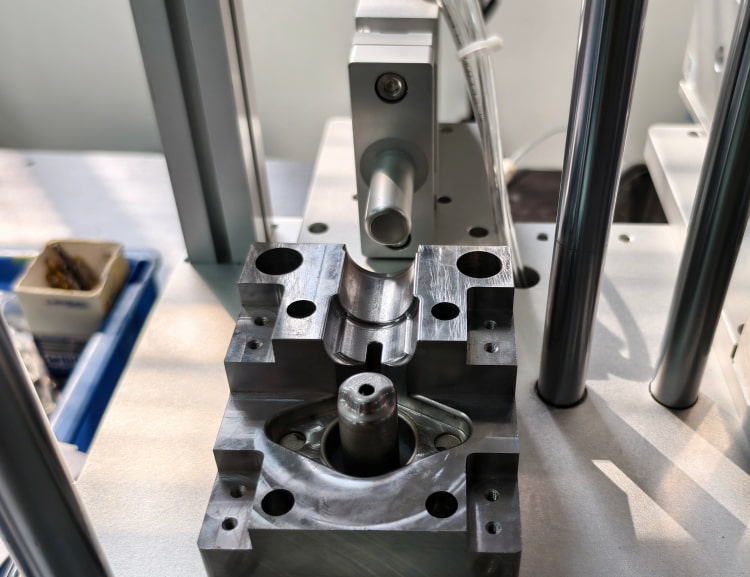 Figure 2: Testing station
Once the test is started, the equipment automatically completes the fill, stabilize, test, and exhaust cycles without any manual intervention, effectively reducing human influence on test results.
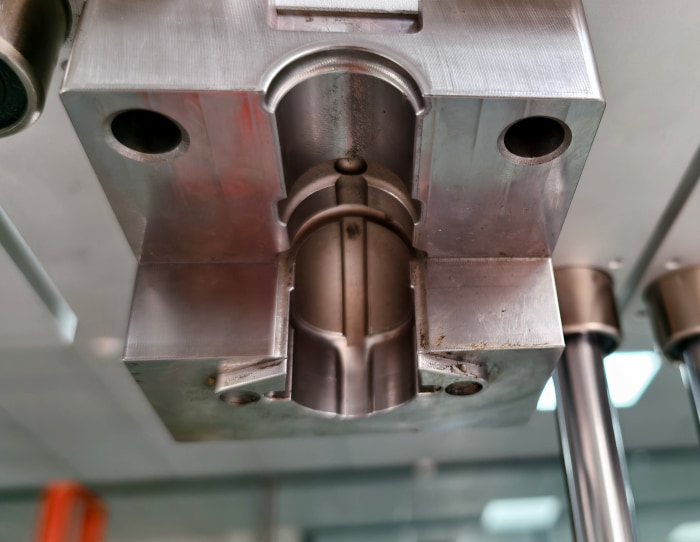 Figure 3: Upper clamping fixture
III. Test parameters
| Test item | Parameter |
|---|---|
| Test method | Direct pressure method |
| Test channels | Four channels, synchronized and independent. |
| Test pressure | 250 kPa |
| Leakage limit | 350 Pa |
| Stabilization time | 30 s |
| Test time | 10 s |
The four-channel tester can simultaneously test four products, greatly improving test efficiency and suitable for high-volume production. At the same time, each channel provides independent data for easy traceability.
IV. Leak testing effectively avoids batch misjudgment and rework
Traditional manual inspection struggles to detect tiny leaks, and results are easily affected by operator experience, leading to missed detections or misjudgments. With the high-precision leak tester, micro-leaks caused by welding defects, material micro-cracks, or processing issues in the elbow pipe can be accurately identified.
Through a stable test process and precise data evaluation, manufacturers can remove defective parts before they enter the next production stage, preventing batch rework or customer complaints caused by sealing failures, effectively reducing production costs and after-sales risks.
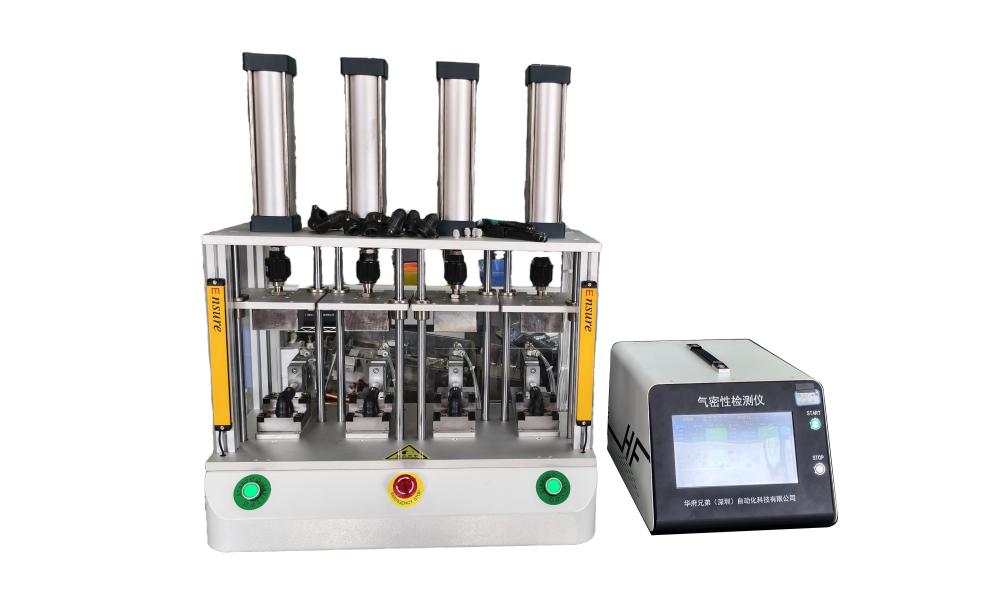 Figure 4: Dedicated leak tester for new energy coolant elbow pipes