 WAFU
WAFU
How to Perform Leak Testing on Check Valves? A Complete Guide to Accurate Leak Testing Solutions
I. Background of Check Valve Leak Testing
A check valve is an important control component that allows fluid to flow in only one direction and effectively prevents medium backflow. It is widely used in automotive, new energy, medical devices, household appliances, pneumatic systems, hydraulic systems, water treatment equipment, industrial automation, and many other fields.
During actual service, good sealing performance is essential. If products have leaks, improperly installed sealing rings, valve body machining defects, or poor welding, they may cause system pressure drop, fluid backflow, degraded equipment performance, or even complete unit failure.
Therefore, performing leak testing before product shipment is a critical step to ensure product quality and reliability.
II. Customer Testing Requirements
A valve manufacturer produces check valves in various specifications, primarily used in industrial pneumatic systems, with high requirements for sealing performance and product consistency.
As production capacity increased, the customer wanted to set up an automated testing station and put forward the following requirements:
- 100% on-line leak testing for every check valve;
- Quickly determine if a product has leaks to improve production efficiency;
- Stable and reliable testing process to reduce human misjudgment;
- Test data storage for product quality traceability;
Based on the product structure, testing cycle time, and customer needs, we finally adopted the direct pressure method leak testing solution.
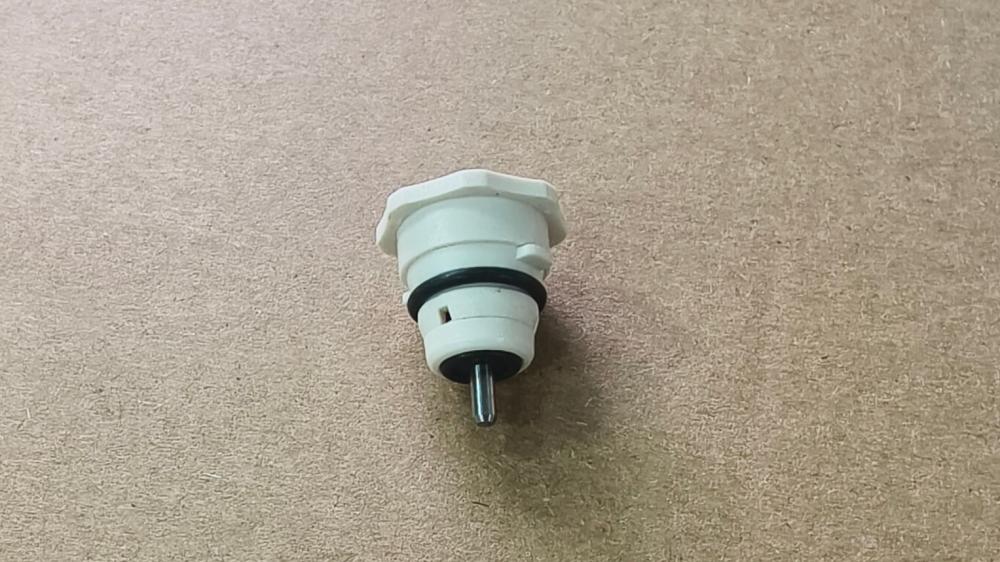 Figure 1: Check valve to be tested
III. Check Valve Leak Testing Solution
According to the external dimensions and sealing positions of the check valve, a custom test fixture was designed to enable quick positioning and reliable sealing.
During testing, once the check valve is placed in the fixture, the equipment automatically performs clamping, pressurization, stabilization, measurement, exhaust, and result judgment without manual intervention.
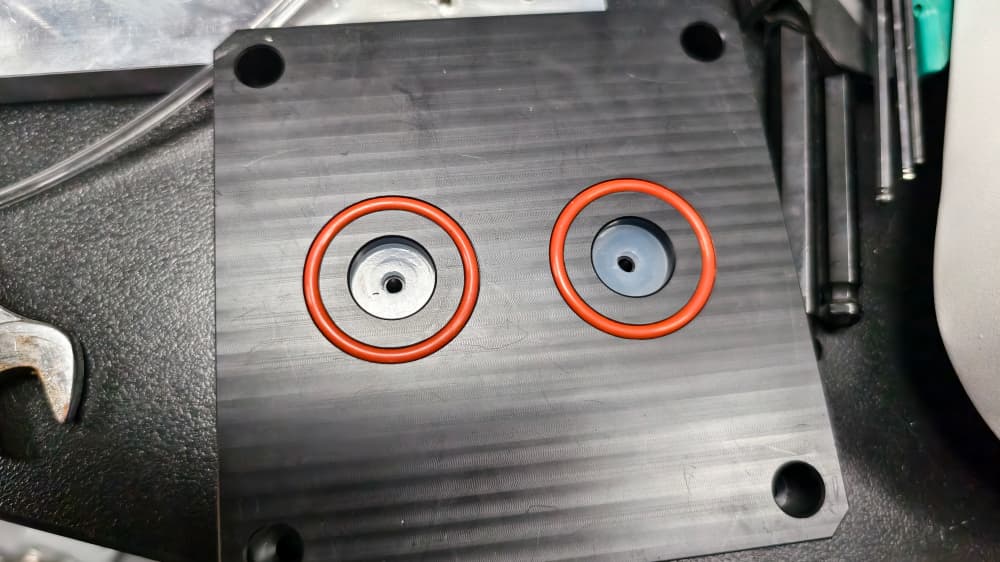 Figure 2: Lower fixture
The test pressure is 100 kPa, and the testing process is as follows:
- Place the check valve into the fixture;
- Automatic clamping and sealing;
- Fill the product with the set test pressure;
- Enter stabilization phase to allow internal pressure to stabilize;
- Monitor pressure changes during the specified test time;
- Automatically judge pass/fail based on pressure decay value;
- Exhaust and remove the product, then proceed to the next cycle.
The entire testing process is fully automated and meets the requirements for continuous testing on mass production lines.
IV. Advantages of the Leak Testing Equipment
This test solution uses a single-channel dual-station (one‑to‑two) design, achieving dual-station testing within a limited budget to meet the customer's efficiency requirements.
High‑Precision Pressure Measurement
A high‑precision pressure sensor accurately monitors internal pressure changes, effectively identifies minute leaks, and improves test reliability.
Automated Testing Process
The equipment automatically performs pressurization, stabilization, measurement, exhaust, and result judgment, and can be integrated with automated production lines for continuous on‑line testing.
Custom Sealing Fixtures
Customised fixtures are designed according to the check valve structure to ensure stable sealing during testing and minimise external influences on test results.
Traceable Test Data
The equipment supports test data recording, statistical analysis, and historical query, allowing storage of test time, results, and product information, thus providing data support for quality management.
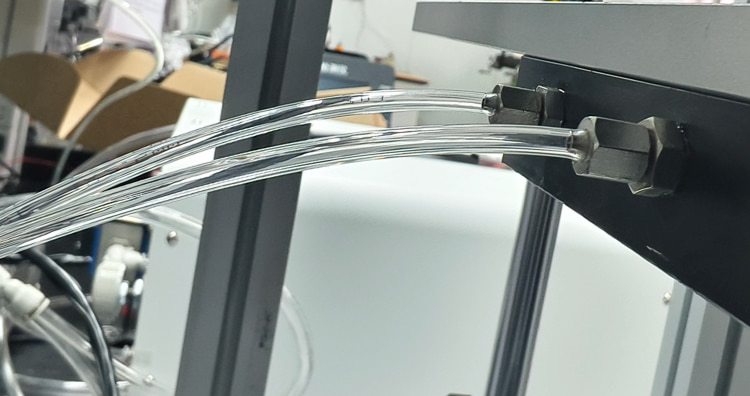 Figure 3: One‑to‑two configuration for single‑channel dual‑station testing
V. Project Application Results
After the check valve leak tester was put into production, 100% on‑line testing was achieved, effectively improving production efficiency.
Compared with traditional manual inspection, the automated direct‑pressure method not only quickly identifies leaking products but also reduces human inspection errors and improves outgoing product quality. At the same time, automatic data recording and traceability provide reliable data support for quality control and production management.
For check valve manufacturers, adopting direct‑pressure leak testing equipment effectively ensures product sealing performance, reduces quality risks caused by leaks, and enhances product reliability and market competitiveness.
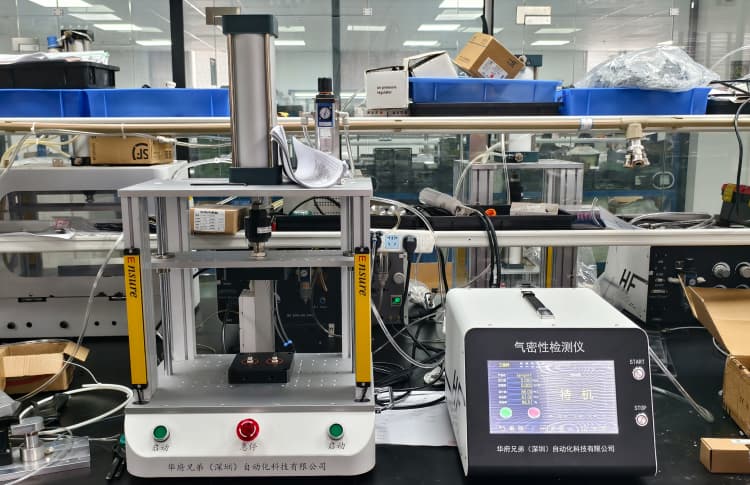 Figure 4: WAFU Brothers check valve specific leak tester