 WAFU
WAFU
Airtightness Testing Solution for Electric Toothbrushes
1. Product Overview
As a daily health appliance, electric toothbrushes operate long-term in humid, water-immersed, and vibration conditions. Inside, they contain motors, batteries, and control circuits. Poor sealing can easily lead to the following issues:
| Issue | Detailed Description |
|---|---|
| Water Ingress and Short Circuit | Malfunction caused by water entering the main control circuit board or battery |
| Safety Hazards | Internal corrosion, short circuits, even overheating or explosion risks |
| High Return Rate | Water ingress causing device freeze or charging failure |
| Failure to Pass IPX6/IPX7 Waterproof Certification | Product cannot be released to market |
| Brand Trust Decline | Frequent after-sales issues severely damage user reputation |
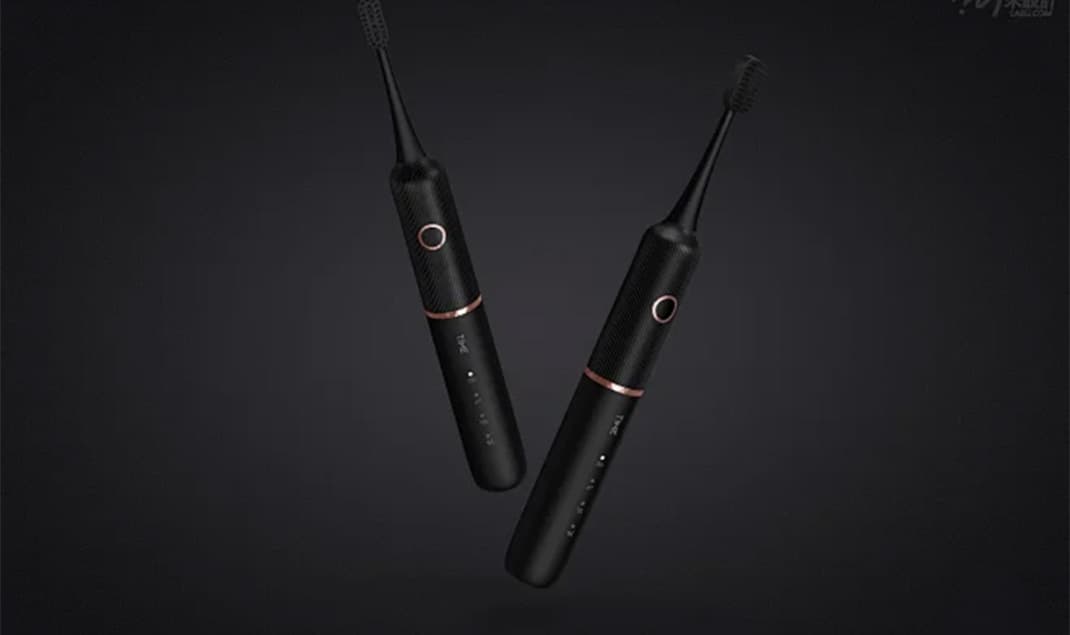 Figure 1: Electric Toothbrush Illustration
Case Study
In 2022, a well-known domestic personal care brand failed the IPX7 waterproof certification test for its flagship electric toothbrush. Investigation revealed instability in the sealing glue process at the toothbrush charging tail causing micro leaks. The company then introduced mass flow airtightness testing instruments for 100% and sample inspections on the production line, setting a leakage threshold ≤0.25 sccm. After optimizing the sealing structure, the product successfully passed multiple certification rounds and achieved stable mass production with monthly shipments exceeding 500,000 units.
2. Detailed Professional Testing Solutions
Comparison of Testing Methods
| Method No. | Method Name | Principle | Features | Recommended Use |
|---|---|---|---|---|
| 1 | Mass Flow Method | Monitors flow rate in real-time after pressurization to detect leaks | High accuracy, suitable for whole electronic product airtightness testing | Suitable for full machine airtightness inspection and yield monitoring |
| 2 | Differential Pressure Method | Compares pressure changes inside the chamber to determine leaks | Lower cost, suitable for early screening of structural parts | |
| 3 | Water Immersion Method (Auxiliary) | Immerse product in water and observe if bubbles appear | Not suitable for mass production; destructive and inefficient; mainly for R&D validation phase |
3. Typical Testing Process Demonstration
Taking the Mass Flow Method as an example:
| Step No. | Detailed Step |
|---|---|
| 1 | Load product: Place the electric toothbrush into a custom testing fixture |
| 2 | Seal construction: Close the fixture to lock and seal the toothbrush shell |
| 3 | Pressurization: Inject air or nitrogen into the test chamber, pressurize to a set value (e.g., 60–120 kPa) |
| 4 | Pressure stabilization: Maintain stable pressure while the instrument measures leak flow rate (unit: sccm) |
| 5 | Result judgment: Automatically determine NG if leakage exceeds limit, output OK/NG signal |
| 6 | Result recording: Integrate with MES system to record data and enable batch traceability |
4. Conclusion
Airtightness testers are key equipment to ensure waterproof performance in the sealing tests of mobile phones, tablets, laptops, and other housings. They are also the core support for reliable product delivery and stable brand quality.