 WAFU
WAFU
Leak Testing Solution for Rigid Plastic Bottles
1. Why Is Leak Testing Essential for Rigid Plastic Bottles?
Rigid plastic bottles are widely used in food, pharmaceuticals, cosmetics, agrochemicals, and beverages. Their seal integrity directly affects storage safety, transportation stability, and shelf life:
| Issue | Detailed Description |
|---|---|
| Pharmaceutical bottle leakage | Active ingredients evaporate, absorb moisture, and degrade |
| Carbonated drink bottle leak | CO₂ loss affects taste |
| Lotion or essential oil bottle leakage | Contaminates label and appearance, leads to customer complaints |
| Poor seal on pesticide bottles | Safety hazard and transport non-compliance |
| Poor cap fit | Increased IPQC/final inspection defect rate |
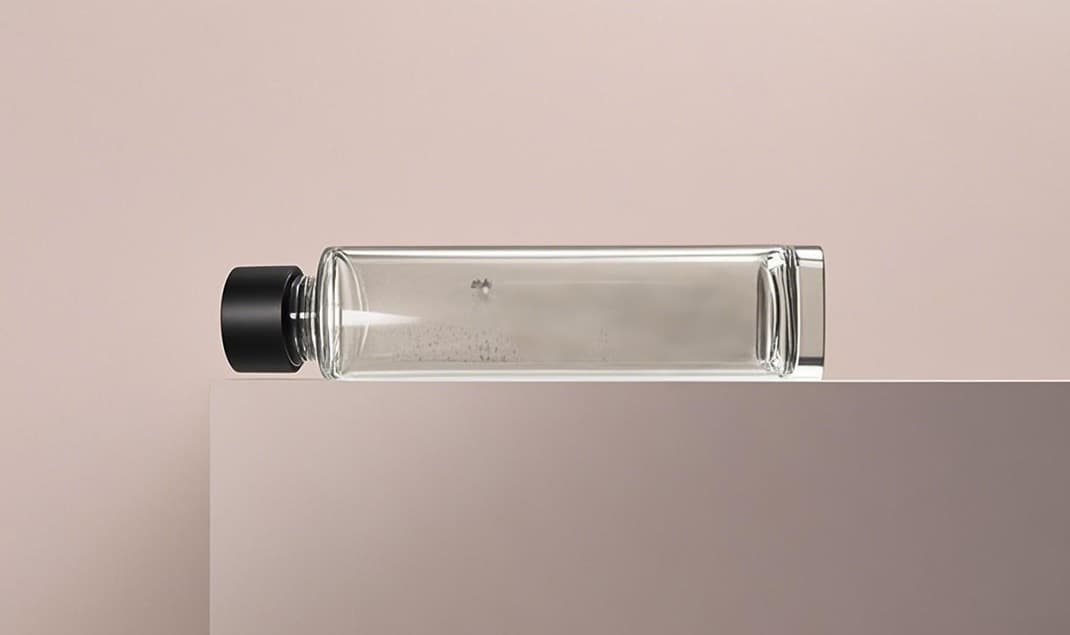 Figure 1: Structure diagram of a rigid plastic bottle
Case Alert
In 2023, a personal care company in Zhejiang found that a batch of shampoo bottles leaked during shipment to Southeast Asia. Testing revealed that the bottle caps were not fully tightened, causing minor leakage. The company introduced a dual-channel leak tester (pressure decay method) for 100% online inspection of the bottle mouth sealing area, effectively solving batch sealing defects and reducing after-sales complaints by over 70%.
2. Common Leak Testing Methods
Depending on the bottle structure and accuracy requirements, the following leak testing methods can be used:
| Method No. | Method Name | Principle | Application Scenario | Remarks |
|---|---|---|---|---|
| 1 | Pressure Decay Method | Pressurize the bottle and monitor pressure drop over time | Commonly used for empty bottles and sealed bottles | Supports automated line integration |
| 2 | Mass Flow Method | Uses a flow sensor to monitor leakage in real time (sccm) | Ideal for pharmaceutical and essential oil bottles requiring precise leakage quantification | |
| 3 | Vacuum Water Immersion Method | Submerge the bottle in water and apply vacuum; observe for bubbles | Not suitable for automated lines; for lab sampling only |
 Figure 2: Leak testing equipment for plastic bottles
3. Standard Testing Procedure (Using Pressure Decay Method)
| Step No. | Procedure |
|---|---|
| 1 | Clamp the bottle: place the bottle in a fixture or automatic clamp, seal the mouth |
| 2 | Pressurize: inject clean air or nitrogen to a set value (e.g., 60 kPa) |
| 3 | Stabilize: maintain pressure for 1–5 seconds and monitor for pressure decay |
| 4 | Leak judgment: if pressure drop exceeds threshold, mark as NG (Not Good) |
| 5 | Automatic sorting: pass/fail bottles are separated automatically; MES integration optional |
| 6 | Optional cap seal testing: separate cap testing available for some bottle types |
4. Reference Parameters
| Application Type | Test Pressure | Test Duration | Leakage Standard |
|---|---|---|---|
| PET beverage bottles | 50 kPa | 5 s | ≤ 0.3 sccm |
| HDPE pharmaceutical bottles | 80 kPa | 5 s | ≤ 0.2 sccm |
| Essential oil plastic bottles | 100 kPa | 10 s | ≤ 0.1 sccm |
| Personal care product bottles | 60 kPa | 3 s | ≤ 0.25 sccm |
5. Conclusion
The seal integrity of rigid plastic bottles directly impacts shelf life, compliance, and consumer satisfaction. Using professional leak testing equipment is key to ensuring product quality, safety, and reliable delivery.