 WAFU
WAFU
Vial Airtightness Testing Solution
1. Why is airtightness testing necessary for vials?
As an important packaging container for sterile injectable drugs, the sealing performance of vials directly affects the stability, safety, and shelf life of the drug. If airtightness fails, it can lead to:
| Issue | Consequence |
|---|---|
| Microbial or moisture ingress | Drug deterioration, inefficacy, or contamination |
| Drug leakage | Contamination of external environment during transport, increased returns |
| Insufficient vacuum level | Unable to meet freeze-drying or aseptic filling requirements |
| Failure to meet sealing regulations such as USP <1207>, YY0033, etc. | Cannot be exported or registered |
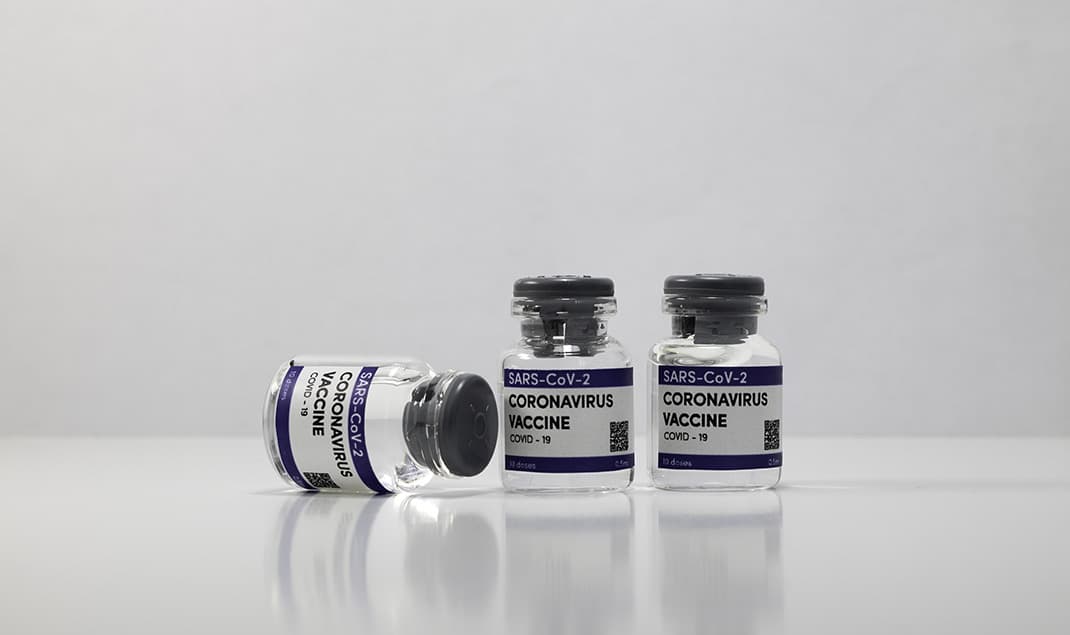 Figure 1: Vial
Case Study
In 2023, a large biopharmaceutical company in Shandong faced a recall of a monoclonal antibody injection product exported to Europe due to extremely small leaks detected in the vials. The customer’s lab screened out 0.5% defective products using helium leak detection. Subsequently, the company adopted micro-leak airtightness testers (combining pressure decay and mass flow methods) for non-destructive testing of vial seals, achieving a detection sensitivity of 0.05 sccm. This successfully passed multiple regulatory reviews in Europe and America, effectively controlling finished product leakage risks below 0.1%.
Therefore, performing high-precision sealing tests (airtightness testing) on vials is a critical quality control step in pharmaceutical packaging systems and an important measure for pharmaceutical companies to comply with GMP and FDA requirements.
2. Common Airtightness/Sealing Test Methods
| Testing Method | Description |
|---|---|
| 1. Pressure Decay Method (Differential Pressure) |
Apply slight positive pressure to the vial and monitor pressure drop during hold period Fast, efficient, suitable for testing clear glass vials Suitable for automated production lines and offline sampling |
| 2. Mass Flow Method |
Real-time measurement of leakage flow with higher accuracy Detects ultra-micro leaks (≤0.05 sccm) Commonly used for high-end drugs like freeze-dried powders and monoclonal antibody packaging |
| 3. Helium Mass Spectrometry (For Development/Validation) |
Helium is introduced into the vial, and leaks are detected in a vacuum chamber Extremely high sensitivity (10⁻⁶ to 10⁻⁹ mbar·L/s) Equipment is expensive, mainly used in R&D or regulatory validation |
3. Typical Testing Parts and Process (Example Using Full Vial Mass Flow Test)
| Step | Description |
|---|---|
| Place sample into test fixture | Put the vial into a dedicated sealed chamber or flexible clamp |
| Seal and pressurize | Apply set pressure (e.g., 50~80 kPa) to inside or outside vial space |
| Pressure hold stage | Maintain pressure while the device automatically measures leakage flow |
| Judgment output | Determine pass/fail (OK/NG) based on set thresholds |
| Data recording | Automatic archiving, supports MES/traceability system integration |