 WAFU
WAFU
Integrated Control Valve Water Meter Airtightness Testing Solution
1. Why must integrated control valve water meters undergo airtightness testing?
The integrated control valve water meter typically combines a mechanical metering module, an electronic control valve body, and a communication module. It is widely used in smart remote meter reading systems, intelligent building/park/industrial water management, supporting remote valve shutoff and automated meter reading functions.
| Issue | Detailed Description |
|---|---|
| Moisture intrusion into electronic module | Corrosion of circuit boards, damaging communication or valve shutoff functions |
| Valve body micro-leakage | Unable to shut off water supply, affecting meter reading and billing |
| Seal aging / interface adhesive failure | Water leakage on user side, causing accidents or complaints |
| IP68 protection level requirements | Must perform airtightness and sealing tests before shipment to verify protection capability |
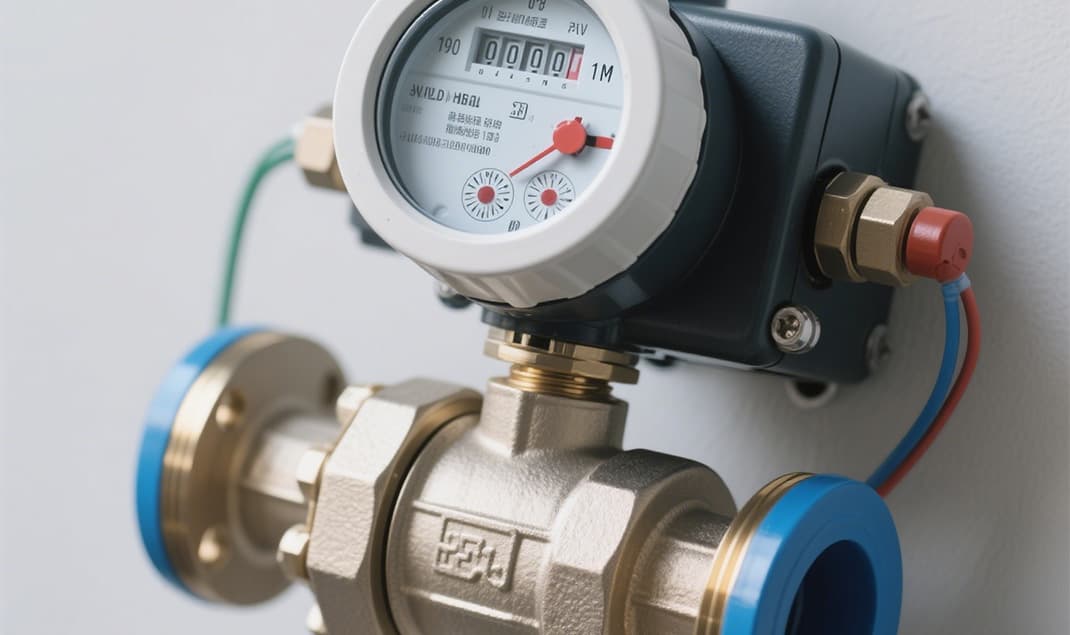 Figure 1: Integrated Control Valve Water Meter
Case Study
In 2023, a smart water meter company in Jiangsu faced challenges to meet the IP68 waterproof rating for long-term submerged use of “buried water meter wells” in southern China. The third-party testing failed twice due to O-ring assembly deviation causing leakage. Subsequently, a high-precision airtightness tester (combining differential pressure and mass flow methods) was introduced. Sealing tests became part of the outgoing inspection for each water meter, with independent testing of the valve body, electronic control compartment, and inlet/outlet interfaces. The pass rate improved to 99.7%, enabling successful mass bidding and project wins.
Therefore, airtightness testers have become indispensable sealing control tools on smart water meter production lines, widely applied in structural validation, full outgoing inspection, and IP certification auxiliary testing.
2. Common Airtightness/Sealing Testing Methods
| Method No. | Method Name | Principle | Applicable Scenarios | Features |
|---|---|---|---|---|
| 1 | Differential Pressure Method (Pressure Decay) | Detects leakage by observing pressure changes after pressurization | Suitable for sealed compartments, electronic control chambers, whole meter cavities | Fast detection, suitable for production line integration |
| 2 | Mass Flow Method | Real-time detection of leak gas volumetric flow (sccm) | Suitable for high-level sealing verification, such as IP68 requirements | Accurate quantitative leakage assessment |
| 3 | Vacuum Negative Pressure Method | Places water meter in a negative pressure chamber to detect external air ingress | Suitable for anti-backpressure tests, used in some water meter well scenarios | Can be combined with submersion testing (bubble method) |
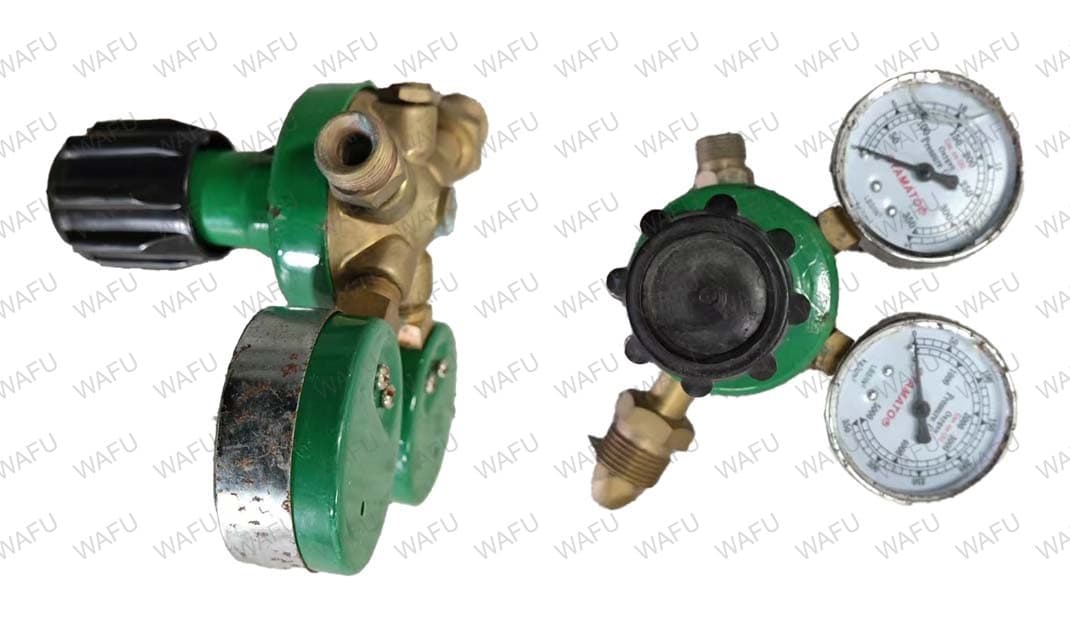 Figure 2: Control Valve Water Meter
3. Typical Testing Points and Process (Using Whole Meter Mass Flow Testing as Example)
| Testing Locations | Standard Testing Process |
|---|---|
|
✅ Valve body sealing chamber ✅ Communication module protection chamber ✅ Overall water meter sealed cavity (including inlet and outlet) ✅ Weak points such as wiring ports, antenna ports, battery compartments |
Fixture loading: place the water meter into the airtightness testing device’s dedicated fixture, sealing inlet/outlet or test ports |
| Inflation and pressurization: apply pressure (e.g., 60~100kPa) to the internal cavity and start steady pressure testing | |
| Flow/pressure difference monitoring: real-time leakage data judgment by the airtightness tester | |
| OK/NG judgment: device automatically compares against preset standards and outputs test results | |
| Result recording and traceability: integrated barcode binding/automatic data recording, supports MES system integration | |