 WAFU
WAFU
Airtightness Testing Solution for Hardware Die-Cast Aft Covers
1. Product Overview
The aft cover is a critical metal structural component at the rear of ships, typically made of aluminum or magnesium alloy die-cast. It serves to cover and protect underwater parts such as propellers, rudders, and stern shafts, providing functions such as flow guidance, corrosion resistance, and shock absorption. Due to its long-term underwater working environment, airtightness requirements are extremely high. Any leakage can cause water ingress into the internal motor, transmission mechanism, and bearing lubrication system, seriously affecting ship safety.
| Issue | Consequences |
|---|---|
| Prevent water ingress corrosion | If micro-porosity in the casting is undetected, seawater will seep in and corrode internal equipment |
| Ensure vacuum/pressure chamber stability | Some aft covers contain cooling or lubrication pipeline systems which must be leak-free |
| Avoid costly rework later | Once die-cast parts are integrated into the ship, repairs are difficult; airtightness testing can eliminate risks before shipment |
| Improve product grade and delivery standards | Meet sealing requirements of classification societies or military-grade projects (e.g., IP68, 10m water pressure) |
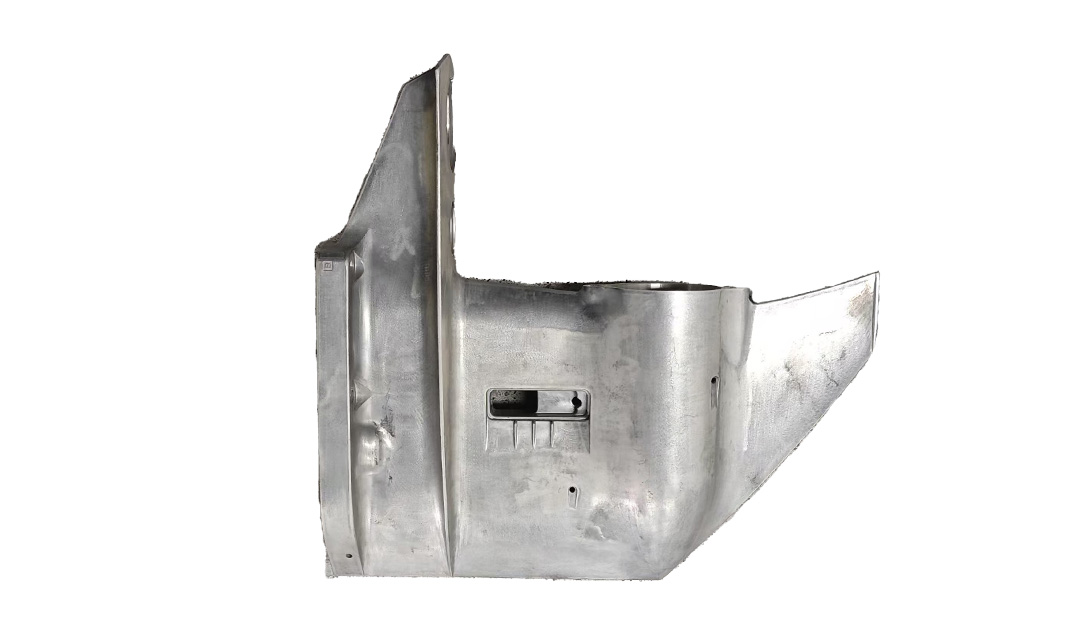 Figure 1: Illustration of Hardware Die-Cast Aft Cover
Case Study
A marine propulsion system manufacturer once shipped aluminum alloy die-cast aft covers with tiny sand holes without precise airtightness testing. Shortly after use at the client site, many products experienced water ingress and short-circuit failures, resulting in extensive rework and brand complaints. After introducing WAFU Brothers' airtightness tester and using differential pressure methods to precisely test each product’s sealing, hidden defects were effectively filtered out. This helped reduce the rework rate from over 5% to 0.3%, greatly improving shipment yield and end-user trust. This case fully demonstrates that airtightness testing on critical die-cast parts is not only quality assurance but also a moat protecting corporate reputation and market access.
2. Detailed Professional Testing Solutions
Testing Methods Comparison
| Testing Method | Sensitivity | Technical Parameters | Applicable Areas |
|---|---|---|---|
| Pressure Decay Method | ±0.8mmHg | Test pressure range: 0-200mmHg | Overall airtightness of aft cover |
| Differential Pressure Micro-Leak Testing | ±0.3mmHg | Especially suitable for detecting tiny gap leaks | Key sealing interfaces and joints |
| Airflow Quantitative Testing | Accurate leak rate quantification (mL/min) | Applicable areas: pressure chambers and gas passages | Pressure chambers and gas passages |
3. Typical Testing Process Demonstration
Example of airtightness testing for the aft cover die-cast part:
| Testing Stage | Specific Steps |
|---|---|
| Pre-treatment Stage | Calibrate testing equipment and confirm environmental parameters |
| Prepare and install dedicated fixtures to secure the die-cast part | |
| Connection Stage | Connect air source to die-cast part testing interface |
| System automatically identifies testing program and prepares for testing | |
| Testing Stage | Apply preset test pressure (typically 150mmHg) |
| Maintain stable pressure for 10 seconds to ensure sealing | |
| Record pressure decay and flow change data, monitor for 60 seconds | |
| Judgment Stage | Compare test data with standard thresholds |
| Automatically generate test report and quality rating | |
| Sound and light alarms indicate pass or fail results |
4. Conclusion
Airtightness testing of ship aft hardware die-cast covers is a key step to ensure the long-term stable operation of underwater ship equipment. Our professional testing solutions can effectively improve the sealing performance and reliability of die-cast parts, reduce failure risks during ship operation, and enhance enterprises' competitiveness in the ship parts market.