 WAFU
WAFU
Bluetooth Earphone Charging Case Leak Testing Solution
1. Why Leak Testing Is Necessary for Bluetooth Earphone Charging Cases
Bluetooth earphones have now become an indispensable product for the public, with complex and diverse usage scenarios. The charging case needs to be carried around, containing a battery and control circuits. If the sealing performance is poor, safety issues may easily occur. Therefore, leak testing of Bluetooth earphone charging cases is essential. The main reasons are as follows:
| Reason | Detailed Description |
|---|---|
| Waterproof and Moisture Resistance | Bluetooth charging cases are often carried around and exposed to sweat, rain, or humidity. If not well-sealed, moisture may enter and cause oxidation or short circuits in the circuit board, lithium battery, or metal contacts, leading to charging performance issues. |
| Battery Safety | Most Bluetooth charging cases use lithium batteries, which have high sealing requirements. If external moisture or liquid penetrates, it can cause battery swelling, leakage, or even explosion. |
| Extended Product Lifespan | A well-sealed charging case effectively blocks dust and moisture, protecting internal circuits and components, reducing failure rates, enhancing user experience, and extending product lifespan. |
| Improved Product Quality and Competitiveness | Many brands highlight waterproof and moisture-proof ratings (such as IPX4, IPX5) in their product marketing. Leak testing helps companies ensure compliance with advertised standards, eliminate substandard products, and avoid after-sales issues. |
| Compliance with Industry and Regulatory Standards | The consumer electronics industry increasingly emphasizes safety and reliability, and some markets impose mandatory or recommended waterproof and protection standards. |
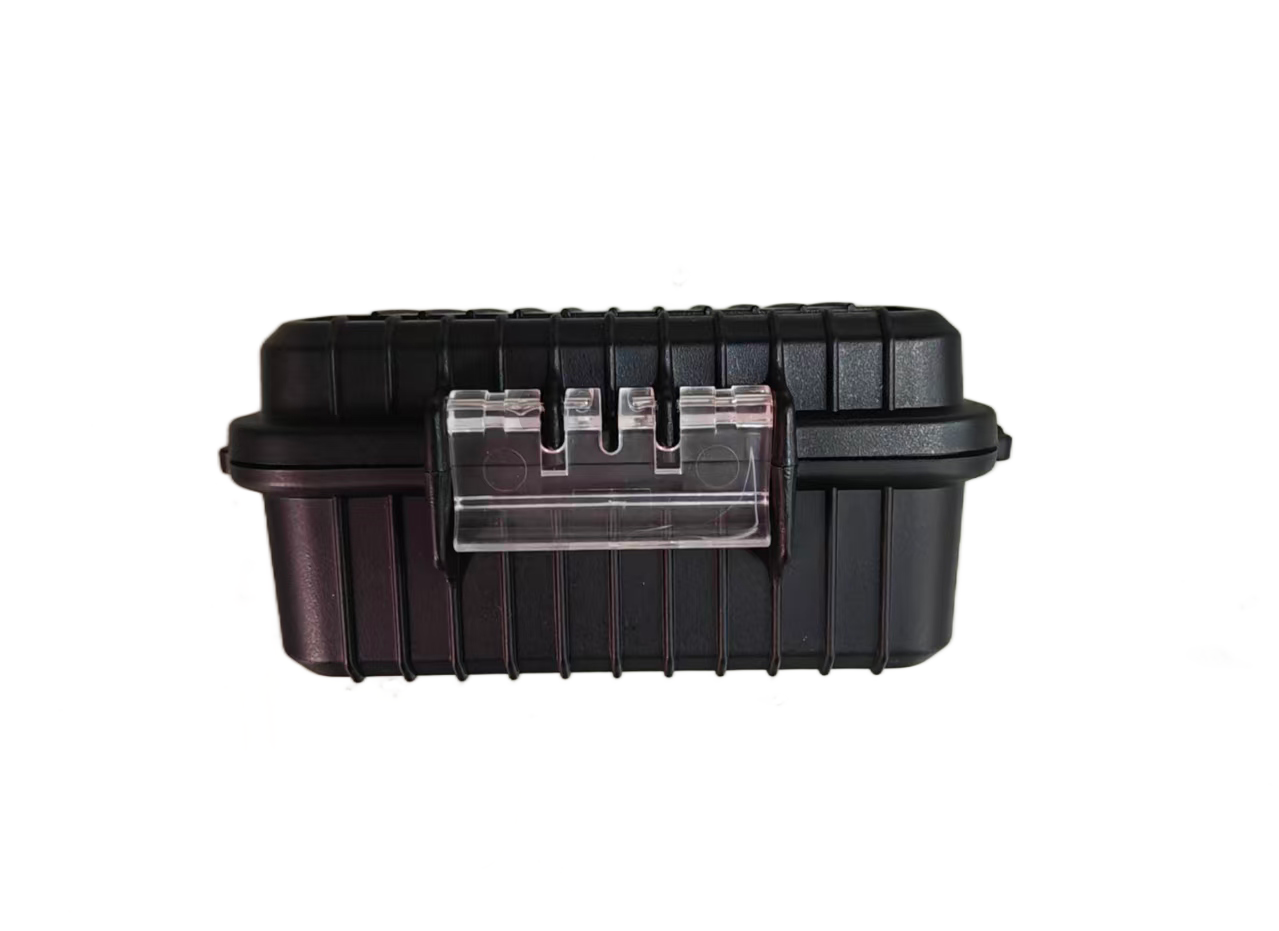 Figure 1: Bluetooth earphone charging case used for testing by the client
Case Study
In 2021, a large domestic consumer electronics OEM, while producing Bluetooth charging cases for an internationally renowned brand, encountered a high failure rate during IPX4 splash-proof certification, failing to meet waterproof standards. The issues were mainly concentrated around the hinge area and the USB-C charging port, where poor sealing of O-rings and tolerance deviations in structural design led to slight moisture ingress. To solve this, the company introduced the Pressure Decay Method for 100% in-line inspection of charging case shells. After multiple rounds of verification, waterproof consistency improved significantly, stably passing IPX4/IPX5 certification tests. Ultimately, monthly shipments exceeded 800,000 units, effectively reducing after-sales returns and customer complaints.
2. Professional Testing Solution Explained
Comparison of Testing Methods
| Method No. | Method Name | Principle | Features | Recommended Use |
|---|---|---|---|---|
| 1 | Direct Pressure Test | After pressurization, close the air source and maintain for a period to observe internal pressure changes. | High accuracy, suitable for complete electronic product sealing tests. | Recommended for full inspection of sealing and pass rate monitoring. |
| 2 | Differential Pressure (Pressure Decay) | Compare cavity pressure values with a standard product to determine leakage. | Eliminates errors from environment and product structure, achieving higher testing accuracy. | |
| 3 | Water Immersion (Auxiliary) | Immerse the product in water and observe bubbles. | Not suitable for mass production, destructive, low efficiency, mainly for R&D validation. |
3. Typical Testing Process Demonstration
Taking WAFU Brothers’ Leak Tester provided for Bluetooth earphone manufacturers as an example, the testing method applied is Direct Pressure Testing:
| Step No. | Procedure |
|---|---|
| 1 | Product Loading: Place the Bluetooth charging case into the customized fixture. |
| 2 | Sealing: The fixture closes and locks to seal the charging case. |
| 3 | Pressurization: Inject air or nitrogen into the test chamber and pressurize to the set value (e.g. 60~120kPa). |
| 4 | Testing Stage: After confirming leakage is within range, close the air source and maintain for a period to observe pressure values. |
| 5 | Result Judgment: If leakage exceeds limits, automatically marked NG, otherwise OK/NG signal is output. |
| 6 | Data Recording: Integrated with MES system to record testing data and enable batch traceability. |
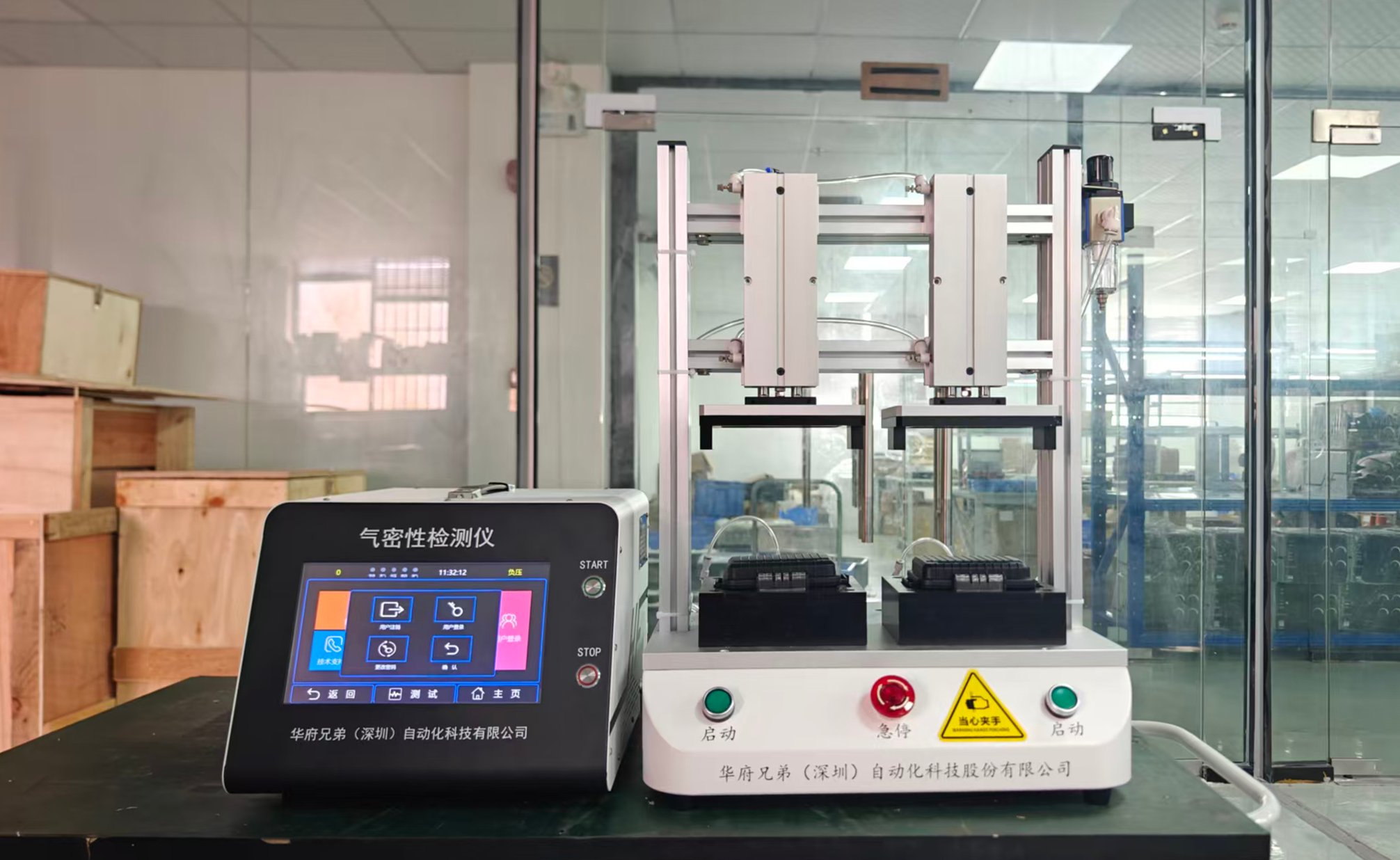 Figure 2: Custom dual-channel Bluetooth earphone charging case leak tester
The machine shown is a WAFU Brothers multifunctional leak tester, which supports multiple customized testing methods. With high-precision sensors and advanced detection technology, it can detect minute changes in gas leakage.
4. Conclusion
Leak testers are widely applied in sealing tests for smartphones, Bluetooth sports earphones, and Bluetooth charging cases. They effectively improve product quality, reduce repair and after-sales costs, and safeguard product reliability.