 WAFU
WAFU
Cylindrical Lithium-Ion Battery Airtightness Testing Solution
1. Why perform airtightness testing on cylindrical lithium-ion batteries?
Cylindrical lithium-ion batteries are widely used in power tools, electric bicycles, energy storage, electric vehicles, and other applications. They contain flammable electrolytes inside and usually have metal casings. If the seal is poor, the following issues may occur:
| Issue | Detailed Description |
|---|---|
| Safety Risks | Air and moisture ingress may trigger internal chemical reactions causing swelling, leakage, short circuits, or even fire and explosion. |
| Performance Degradation | Micro-leaks can reduce battery capacity, increase internal resistance, and affect lifespan and charge/discharge performance. |
| Quality Instability | Poor sealing leads to lower yield, higher repair rates, and unstable shipment quality. |
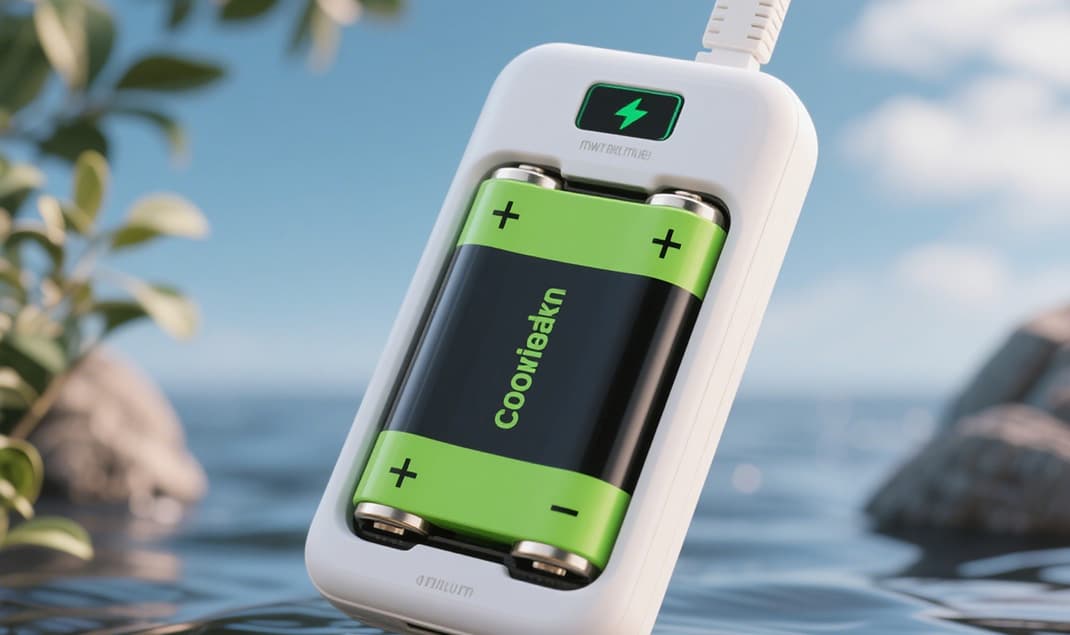 Figure 1: Cylindrical Lithium-Ion Battery Illustration
Case Study
A power tool manufacturer received customer complaints of severe battery swelling after batch shipments. Investigation revealed that some cylindrical cell sealing rings were not properly compressed, causing micro-leaks. The company then introduced airtightness testers for 100% inspection, reducing defect rate from 1.5% to 0.2% within two weeks, significantly improving customer satisfaction.
2. Main test areas and applicable methods for cylindrical batteries
The main testing points for cylindrical batteries are the top sealing area, pole positions, and safety valve areas. The following airtightness testing methods are suitable:
Comparison of Testing Methods
| Method No. | Method Name | Applicable Scenario | Description |
|---|---|---|---|
| 1 | Pressure Decay / Differential Pressure Method | Suitable for medium accuracy | Place battery in a test chamber, pressurize with gas, observe pressure changes inside to assess sealing. |
| 2 | Mass Flow Method | Suitable for high accuracy requirements | Precisely monitors leakage rate via flow meter, capable of micro-leak detection; ideal for energy storage or power cells. |
| 3 | Helium Leak Detection | Suitable for extremely high sealing requirements | Uses helium as tracer gas, detects minute leaks by mass spectrometry; commonly applied in military or special medical batteries. |
3. Testing Steps (Pressure Decay Method Example)
| Step No. | Specific Steps |
|---|---|
| 1 | Prepare battery samples: Select cylindrical lithium-ion batteries with no obvious deformation or contamination. |
| 2 | Place in test chamber: Position battery correctly inside the sealed test chamber. |
| 3 | Inject test gas: Pressurize chamber to set pressure (e.g., 200 kPa). |
| 4 | Stabilize: Wait a set stabilization time (e.g., 3 seconds) to ensure balance. |
| 5 | Measure leakage: Record pressure decay inside the chamber. |
| 6 | Evaluate results: Compare decay against leak standard (e.g., ≤ 0.5 Pa/s) to judge pass/fail. |
| 7 | Output results: System automatically outputs OK/NG signal, logs data, and uploads to MES system. |
4. Conclusion
Airtightness testing of cylindrical lithium-ion batteries is a crucial measure to ensure safety, performance stability, and factory quality control.