 WAFU
WAFU
Explosion-Proof Lighting Airtightness Testing Solution
1. Why is airtightness testing necessary for explosion-proof lighting?
Explosion-proof lighting is widely used in high-risk, flammable and explosive environments such as petrochemical, coal mines, power plants, tunnels, and military industries. Its sealing performance directly relates to usage safety, product lifespan, and the ability to pass certifications such as ATEX, IECEx, and CCC. Therefore, high-precision, non-destructive testing of the lamp housing's airtightness is essential to ensure it meets the designed protection level (e.g., IP66/IP67/IP68).
| Requirement | Potential Risk |
|---|---|
| Prevent explosion risk escalation | Explosion-proof lights are commonly used in high-risk flammable and explosive environments such as petrochemical plants, coal mines, and tunnels. If the cavity sealing is poor, external combustible gases may enter inside and, when encountering arcs or short circuits, could trigger secondary explosions causing major safety incidents. |
| Ensure protection rating compliance (IP66/IP67) | These lights are exposed to harsh environments with high temperature, humidity, and dust. Poor sealing may lead to circuit board corrosion, LED failure, dust obstruction, leakage causing fire, and reduced equipment lifespan. |
| Meet certification requirements (ATEX / IECEx / CCC) | For export to Europe, America, or domestic certifications, complete sealing test records must be provided. Airtightness testers offer quantifiable data and traceability, forming the basis of compliant manufacturing. |
| Reduce after-sales cost and brand risk | Every repair due to "water ingress" or "fogging" damages customer trust in quality. Airtightness testing significantly lowers after-sales complaints and reduces customer churn risk. |
Therefore, performing airtightness testing using airtightness testers after assembly or before module packaging is an essential step to ensure the protection rating of explosion-proof lighting.
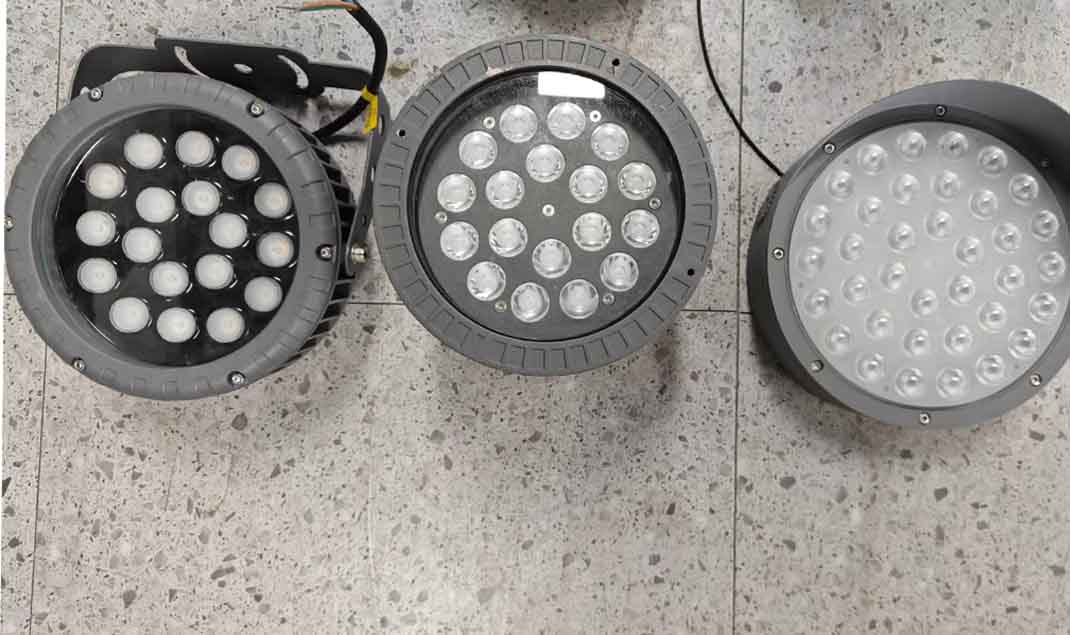 Figure 1: Appearance of Explosion-Proof Lighting
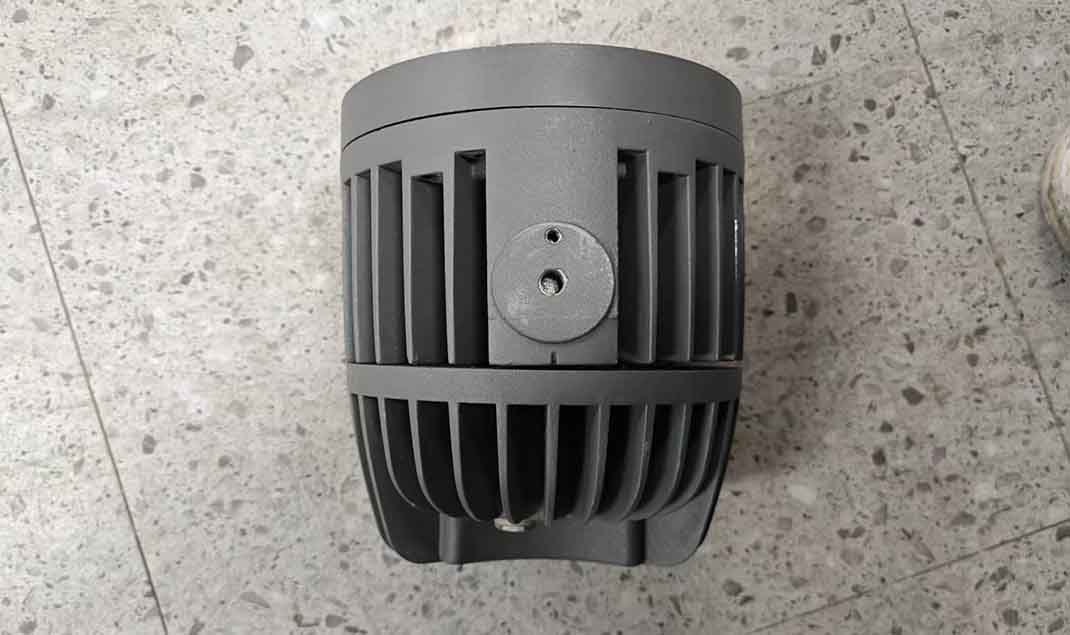 Figure 2: Side View of Explosion-Proof Lighting
Explosion-proof lights without sealing testing are like an unchecked explosives warehouse. Using airtightness testers is not only a fundamental means to ensure safety and operational stability but also a key guarantee for explosion-proof lighting manufacturers to upgrade and internationalize.
2. Testing Principles and Solution Selection
Comparison of Testing Methods
| Method No. | Method Name | Principle | Advantages |
|---|---|---|---|
| 1 | Differential Pressure Method | High accuracy, fast testing, supports automation | Suitable for structured, inflatable products |
| 2 | Vacuum Decay Method | No need for test ports, tests entire cavity | Suitable for large volume, sealed products |
| 3 | Flow Method | Real-time flow monitoring, detects micro leaks | Suitable for products requiring quantitative leak rates |
3. Testing Process (Example: Mass Flow Method)
| Step No. | Specific Step |
|---|---|
| 1 | Operator places product into fixture |
| 2 | Automatically pressurize or evacuate vacuum |
| 3 | Wait for stabilization time |
| 4 | System measures leak rate |
| 5 | Output OK/NG judgement |
| 6 | Record data and upload to system |
4. Conclusion
Airtightness testing of explosion-proof lighting is a crucial step to ensure safe operation in hazardous environments. By selecting appropriate testing methods and strictly following testing procedures, it is possible to effectively ensure protection rating compliance, reduce safety risks, improve product quality, and enhance corporate brand image.