 WAFU
WAFU
Ternary Lithium Battery Air Tightness Testing Solution
I. Special Characteristics and Airtightness Requirements of Ternary Lithium Batteries
Ternary lithium batteries use NCM (Nickel Cobalt Manganese Oxide) or NCA (Nickel Cobalt Aluminum Oxide) as cathode materials. They offer high energy density and activity but demand stricter safety. Poor sealing can lead to the following issues:
| Issue | Detailed Description |
|---|---|
| Higher Fire Risk | Ternary systems are highly sensitive to moisture and electrolyte leakage, which can trigger thermal runaway or even explosions. |
| Shortened Lifespan | Poor airtightness can cause electrolyte evaporation and internal corrosion, leading to rapid capacity degradation. |
| Process Instability | Fluctuations in manufacturing can cause poor welding and sealing; airtightness must be monitored in real time. |
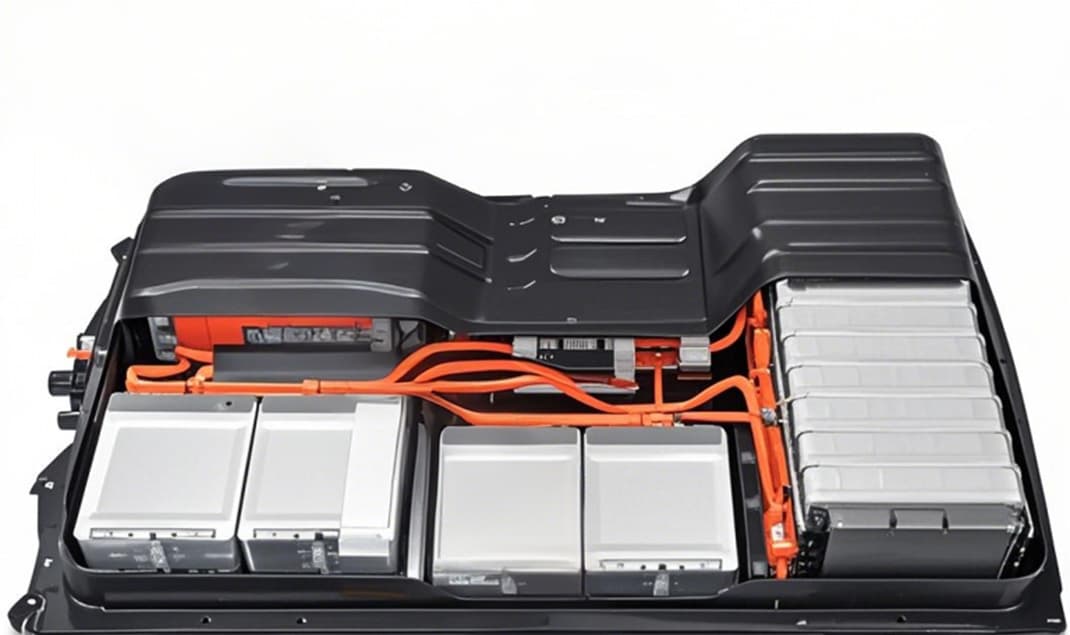 Figure 1: Diagram of a Ternary Lithium Battery Structure
Case Warning
A certain EV battery pack manufacturer experienced severe battery swelling and capacity drop due to poor cell sealing, leading to a full vehicle recall and losses in the tens of millions. They later introduced automated airtightness testing equipment to inspect every cell and module, eliminating the risk of missed leaks.
II. Testing Methods for Different Packaging Types
Depending on packaging type (prismatic, cylindrical, pouch), ternary lithium batteries can be tested using the following airtightness methods:
| Method No. | Method Name | Description |
|---|---|---|
| 1 | Pressure Decay Method |
Low cost; suitable for moderate precision testing of prismatic or cylindrical cells; Can monitor leaks around the cover, filling port, and safety valve. |
| 2 | Mass Flow Method |
High sensitivity; ideal for automated high-volume production lines; Best for pouch-type cells or premium energy storage cells. |
| 3 | Helium Leak Test |
Used for products requiring extremely high reliability (e.g., aerospace batteries, energy storage systems); Capable of detecting micro-leaks as small as 10⁻⁶ to 10⁻⁹ Pa·m³/s. |
III. Testing Steps (Example: Prismatic Ternary Cell)
| Step No. | Procedure |
|---|---|
| 1 | Loading: Place the prismatic cell into the testing chamber using a robotic arm. |
| 2 | Seal Chamber: Close the upper cover and lock it automatically. Begin vacuuming or pressurization. |
| 3 | Apply Test Pressure: Inject dry air or nitrogen up to a preset pressure (e.g., 300 kPa). |
| 4 | Stabilization: Wait for a preset duration (e.g., 2–5 seconds) to stabilize the gas. |
| 5 | Data Collection: The system automatically reads the pressure drop or leak rate. |
| 6 | Pass/Fail Evaluation: Judged automatically based on the leak threshold (OK/NG). |
| 7 | Result Output and Traceability: Upload test data to the MES system for full traceability. |
IV. Conclusion
Airtightness testing is a crucial measure to ensure the safety, extend the lifespan, and maintain the consistency of ternary lithium batteries — especially in electric vehicles and high-end energy storage applications.