 WAFU
WAFU
Why Has the Air Tightness Tester Become a Core Tool in Industrial Quality Control?
In the field of industrial manufacturing, product quality is the foundation of a company's competitiveness in the market. Among various performance indicators, sealing plays a critical role, directly affecting the product's safety, reliability, and service life. From the fuel injection systems of automobile engines to the waterproof casings of smartphones, from sealed cabins in aerospace to household gas stoves—any slight leakage can lead to catastrophic consequences. Against this backdrop, air tightness testers have rapidly emerged as a core tool in quality control, thanks to their precise and efficient leak detection capabilities.
The Stringent Sealing Requirements in Industrial Manufacturing
With the advent of Industry 4.0, products are becoming increasingly intelligent and sophisticated, leading to unprecedented sealing requirements. Take new energy vehicles as an example—their battery systems must withstand complex road vibrations and extreme temperature variations. A single leak can cause electrolyte seepage, potentially resulting in short circuits or even fires and explosions. In the medical field, the sealing of devices like ventilators and infusion pumps directly impacts patient safety. Any gas or liquid leakage may disrupt device operation and cause serious medical accidents. Furthermore, in the consumer electronics sector, growing demand for waterproof and dustproof features in smartphones and watches has compelled manufacturers to adopt air tightness testing as a critical step in the production process.
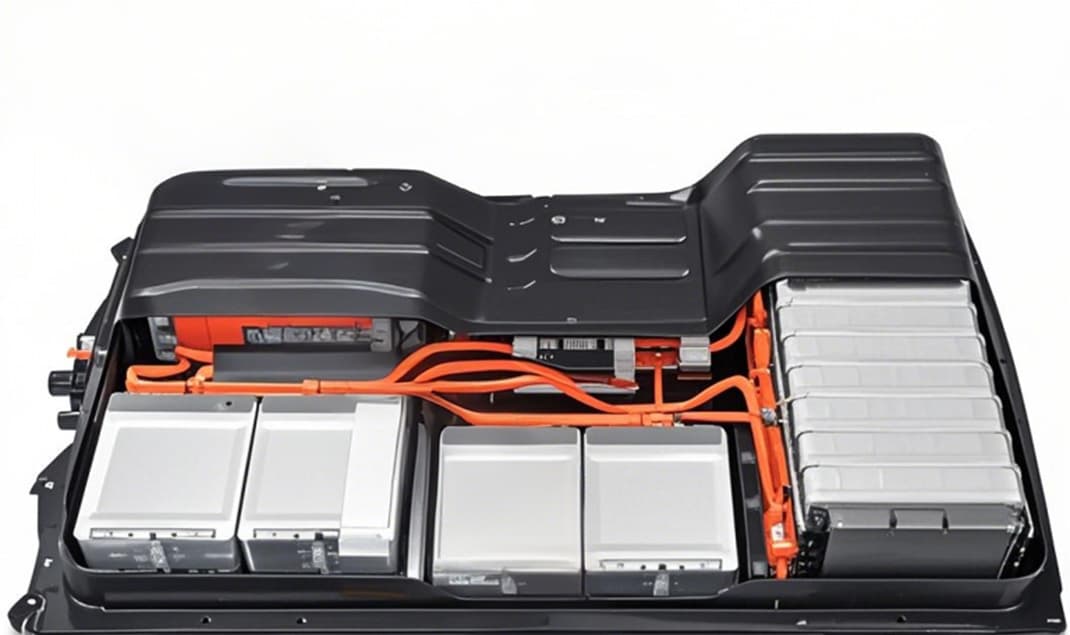
Figure 1: Battery systems in new energy vehicles have extremely high air tightness requirements
Working Principles and Technical Advantages of Air Tightness Testers
Air tightness testers operate based on the gas equation of state and pressure variation principles. They determine leakage by using methods such as differential pressure, direct pressure, or flow rate measurement. Differential pressure testers compare the pressure difference between a reference part and the test piece, offering high precision in detecting even minor leaks. Direct pressure testers measure internal pressure changes directly, making them easy to operate and ideal for high-volume testing. Flow-type testers detect leakage by measuring gas flow, offering greater sensitivity for larger leaks.
Compared to traditional water immersion methods, air tightness testers offer significant technical advantages. First, they enable non-destructive testing, preserving the product's appearance and performance—especially suitable for precision electronics and high-value components. Second, they offer rapid testing with a high degree of automation and can be seamlessly integrated into production lines, significantly improving manufacturing efficiency. Third, the test data is accurate and reliable, providing quantifiable leakage rates that support quality tracking and process optimization. Finally, air tightness testers are immune to environmental factors and operate stably under various conditions, ensuring consistent testing results.
Extensive Applications Across Industries
Automotive Manufacturing: The Frontline of Safety Assurance
In automotive production, air tightness testers are widely used for critical components such as engine blocks, transmissions, fuel systems, and braking systems. For example, the sealing of an engine cylinder directly affects power output and fuel efficiency. Air tightness testing helps identify leaks in gaskets, piston rings, and other components in time, preventing poor performance or excessive fuel consumption. Additionally, car air conditioning systems, window seals, and doors also require strict air tightness testing to ensure cabin comfort and sound insulation.
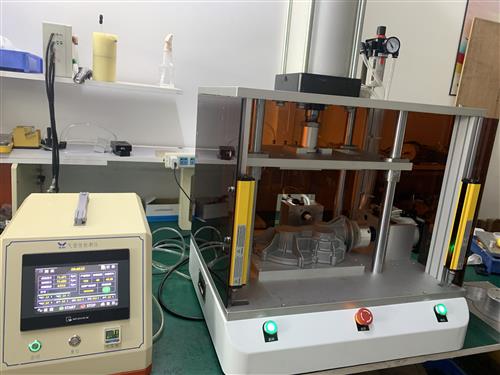
Figure 2: On-site air tightness testing of an automotive engine
Electronics Manufacturing: Safeguarding Smart Device Quality
In the production of smartphones, tablets, and other consumer electronics, air tightness testers are essential for ensuring waterproof and dustproof capabilities. By testing areas such as the casing, charging port, and headphone jack, they effectively prevent moisture and dust from entering the device, thus extending its lifespan. Moreover, in semiconductor packaging and PCB manufacturing, air tightness testing helps identify sealing defects and soldering flaws early, ensuring the stability and performance of electronic components.
Aerospace: The Cornerstone of Cutting-Edge Technology
The aerospace industry imposes near-stringent requirements on product sealing. Air tightness testers play an irreplaceable role in the manufacturing and maintenance of aircraft fuselages, engines, fuel tanks, oxygen systems, and other components. During high-altitude flight, there is a significant pressure difference between the inside and outside of the cabin. Even the slightest leakage may result in cabin depressurization, endangering the lives of passengers and crew. High-precision air tightness testing ensures the sealing performance of aerospace equipment under extreme conditions, providing a reliable safeguard for humanity’s exploration of the sky and space.
Medical Devices: The Barrier Safeguarding Human Health
In the manufacturing of medical devices, air tightness testers are used to inspect the sealing performance of syringes, infusion sets, heart-lung machines, and more. Take syringes as an example—any leakage may result in incorrect drug dosage and potentially serious consequences such as infection. Strict air tightness testing ensures the safety and efficacy of medical devices, serving as a safeguard for patients' health and lives.
Future Development Trends in Air Tightness Detection Technology
As industrial manufacturing moves toward intelligence and automation, air tightness testing technologies are also evolving and improving. In the future, air tightness testers will develop toward higher precision, greater intelligence, and deeper system integration. On one hand, by incorporating artificial intelligence and big data technologies, they will enable real-time data analysis and intelligent diagnostics, improving both detection efficiency and accuracy. On the other hand, the deep integration of air tightness testers with industrial robots and automated production lines will give rise to fully automated quality inspection systems, further reducing labor costs and minimizing human error. Additionally, with advancements in micro-electromechanical systems (MEMS) technology, miniaturized and portable air tightness testing devices will emerge to meet the demands of diverse application scenarios.
With advanced detection principles, significant technical advantages, and wide-ranging applications, air tightness testers have already become a core tool in industrial quality control. They not only support enterprises in improving product quality and reducing manufacturing costs but also play a crucial role in safeguarding consumer safety and driving technological progress across industries. In the course of future industrial development, air tightness testing technologies are bound to continue evolving, providing powerful momentum for high-quality manufacturing.