 WAFU
WAFU
Are These Customer Requirements Actually Leak Testing ? Understanding 15+ Common Industry Names for Leak Testing
In the industrial manufacturing sector, companies often encounter a common question when purchasing testing equipment: why does the same device have so many different names?
For example, some call it an air tightness tester, others refer to it as a leak test instrument, and still others name it a leak detector, leak tester, or waterproof tester. For companies new to air tightness testing, these varied terms can be confusing.
In reality, most of these names refer to devices used for testing product sealing performance, leakage conditions, and waterproof capabilities. This article will detail the common names for air tightness testing equipment, helping you quickly understand industry terminology.
I. What Are the Common Names for Air Tightness Testers?
Depending on industry habits, application scenarios, and internal company jargon, similar equipment is often referred to by the following terms.
1. Air Tightness Testing Names
This is the most common category within the industry.
Air Tightness Tester
One of the most frequently used names, typically referring to an instrument used to detect whether a product has leakage issues.
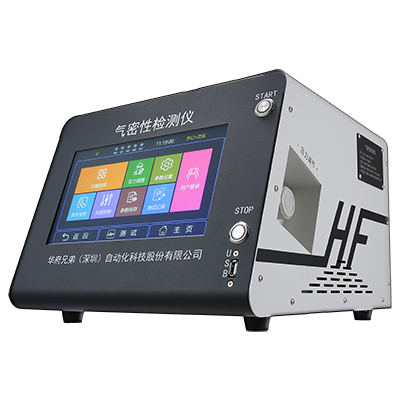
Air Tightness Testing Equipment, Air Tightness Test Instrument, Air Tightness Test Equipment
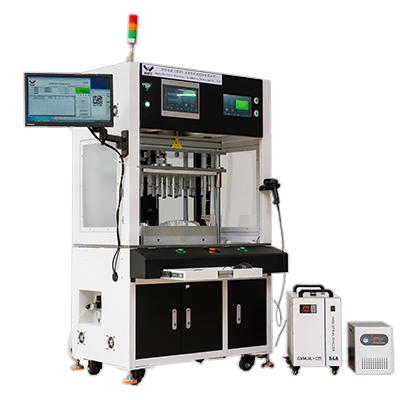
These have essentially the same meaning as air tightness tester, but many companies prefer using the word "test." They are generally used to describe complete automated testing systems or large testing fixtures. For example:
- Automated air tightness testing equipment
- In-line air tightness testing equipment
2. Waterproofing Names
When air tightness testing is used to verify a product's waterproof performance, the device name often changes. Not leaking water does not necessarily mean not leaking air (e.g., waterproof breathable membranes), but the principle behind "air tightness testing" and "waterproof testing" is the same.
Waterproof Tester, Waterproof Test Instrument
Mainly used to test:
- IP67 waterproofing
- IP68 waterproofing
- Dust and water ingress protection ratings
Because the waterproof performance of some products cannot be directly verified by submersion testing, air tightness testing is often used to indirectly validate waterproof capability.
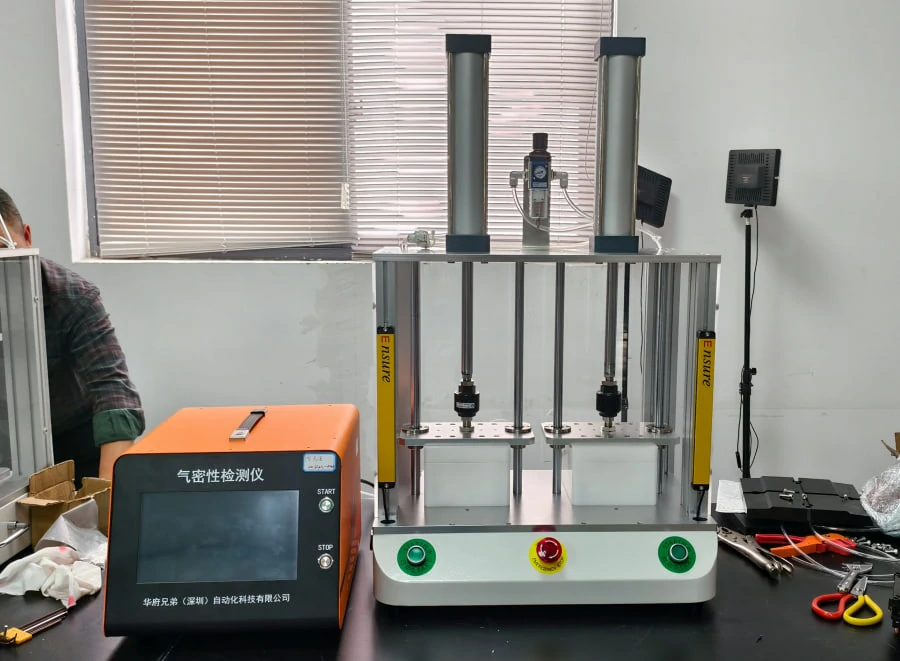
Waterproof Testing Equipment, Waterproof Test Equipment
Generally used for batch testing on automated production lines, this is essentially still an application form of air tightness testing equipment. Commonly used for:
- Smartphone waterproof testing
- Smartwatch waterproof testing
- Lighting fixture waterproof testing
3. Sealing Names
Some industries prefer using the term "sealing" or "seal integrity."
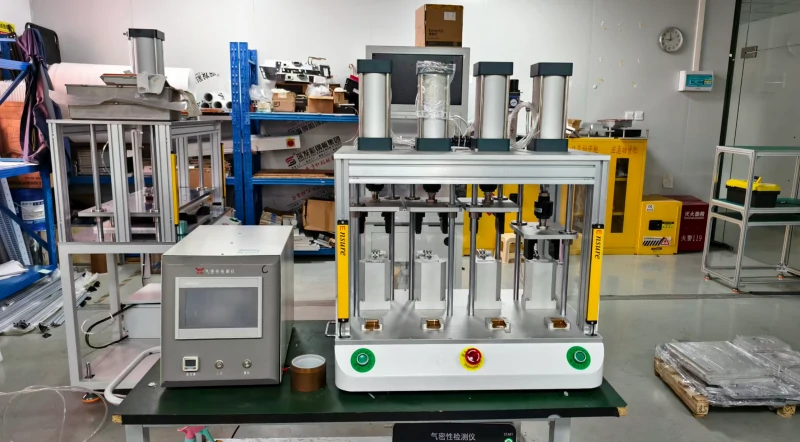
Seal Integrity Tester, Seal Integrity Testing Equipment, Seal Integrity Test Instrument, Seal Integrity Test Equipment
Industries that use these terms usually have higher requirements for air tightness testing. Common sectors include:
- Medical devices
- Packaging industry
- Automotive industry
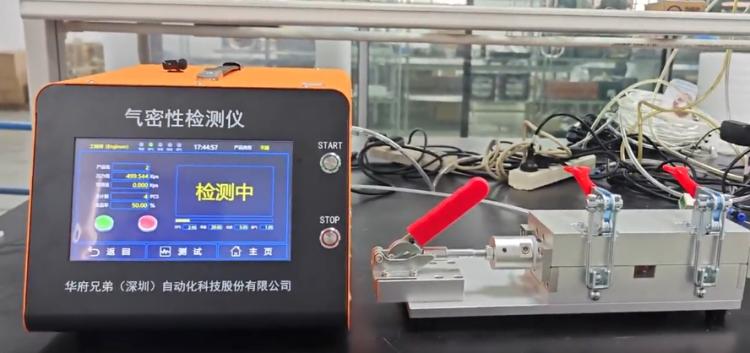
4. Leak Detection Names
"Leak testing" is another expression for detecting leaks.
Leak Tester, Leak Testing Equipment
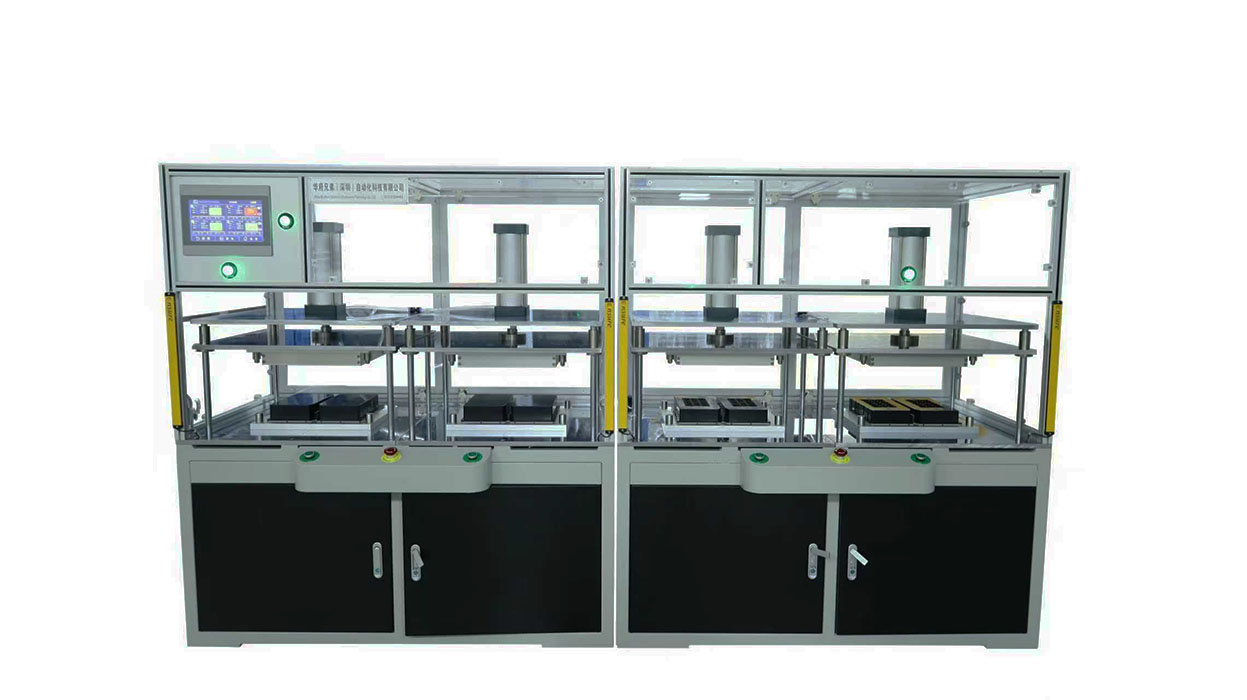
In some regions and industries, the term "leak tester" is even more common than "air tightness tester." For example:
- Battery leak testing equipment
- Water pump leak testing equipment
- Valve body leak testing equipment
II. Why Does the Same Device Have So Many Names?
There are three main reasons for this diversity of names:
- Differences in industry habits: Automotive engineers tend to say "air tightness tester," while smartphone quality inspectors more often say "waterproof tester." Both may refer to the same differential pressure or flow‑based testing principle.
- Different testing focuses: A "leak tester" emphasizes finding leak points, a "seal integrity tester" emphasizes overall containment effectiveness, and a "waterproof tester" emphasizes resistance to water ingress. However, in practice, these objectives are often achieved using the same type of equipment.
- The principle of linguistic economy: Shorter names are easier to spread by word of mouth. For example, "leak tester" is easier to say and remember than "air tightness testing equipment," so it appears frequently in maintenance and on‑site scenarios.
III. Practical Advice for Procurement and Usage
If you are a equipment selector or procurement engineer, consider the following points:
- Combine keywords in searches: On Alibaba, search engines, or other platforms, try using the four key phrases—"air tightness tester," "waterproof tester," "leak tester," and "seal integrity tester"—to get a more comprehensive product coverage.
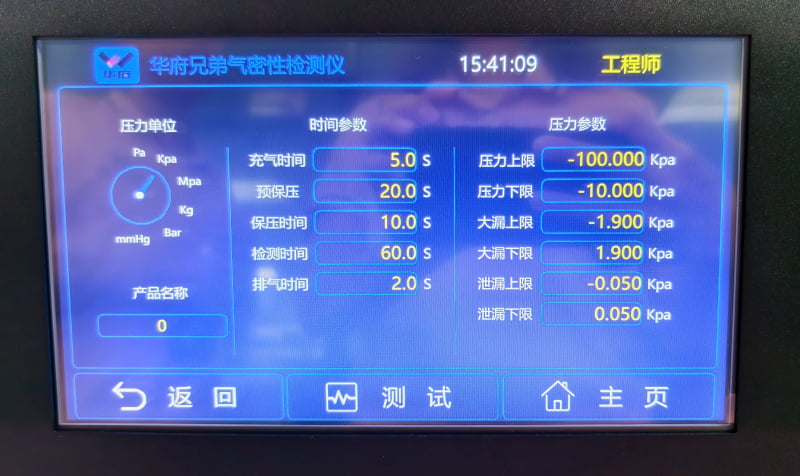
- Clarify technical requirements: Regardless of which name you use, be sure to specify the following core parameters to your supplier: testing accuracy, pressure range, test medium, and test method (direct pressure, differential pressure, or flow). This will prevent selecting the wrong equipment due to incorrect data.
IV. Conclusion
As a critical piece of equipment for ensuring product quality and safety, the air tightness tester goes by many names, but its core function remains unchanged—detecting whether a product has leaks and evaluating its ability to block gas or water ingress.
For manufacturing companies, when selecting equipment, you should not focus solely on the name, but rather pay close attention to testing accuracy, test stability, and the manufacturer's technical support capabilities. Only by choosing the right air tightness testing solution based on your product characteristics can you truly guarantee product quality, improve production efficiency, and reduce after‑sales risks.
If you are looking for suitable air tightness testing equipment for your products, we recommend prioritizing professional air tightness tester manufacturers with extensive industry experience and customization capabilities.