 WAFU
WAFU
Leak Testing : Necessity or Over-Engineering?
In manufacturing quality control, one process often sparks debate: leak testing.
Some believe it is an indispensable safety barrier in modern industry; others question whether all products truly need to pursue “absolute leak-tightness.” Is it a must-have for ensuring quality, or an overly strict form of quality control driven by perfectionism?
As a factory owner, do I really need to spend tens of thousands to purchase leak testing equipment for my products? Is it essential or merely optional?
This article will clarify this confusion from three dimensions: safety, functional performance, and cost logic.
1. Hard Lessons: When Leakage Is More Than Just “Defects”
For many products, leak-tightness is not just a “yield rate” issue, but a matter of life and death.
1. New Energy Power Batteries: The Trigger of Thermal Runaway
If a battery pack is not properly sealed, moisture and salt mist will slowly corrode internal electrodes and connectors. The consequence is not simply “power failure,” but internal short circuits leading to thermal runaway (fire or explosion). In this case, leak testing acts like the vehicle’s immune system—there is no room for compromise.
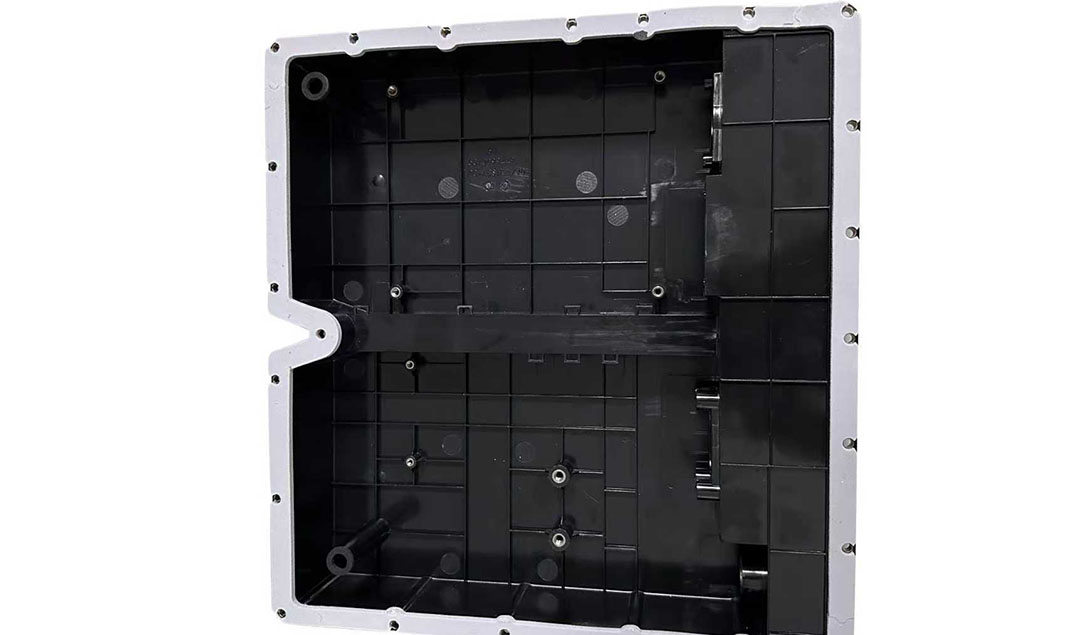
2. Medical Devices: The Life-and-Death Threshold of Millimeters of Mercury
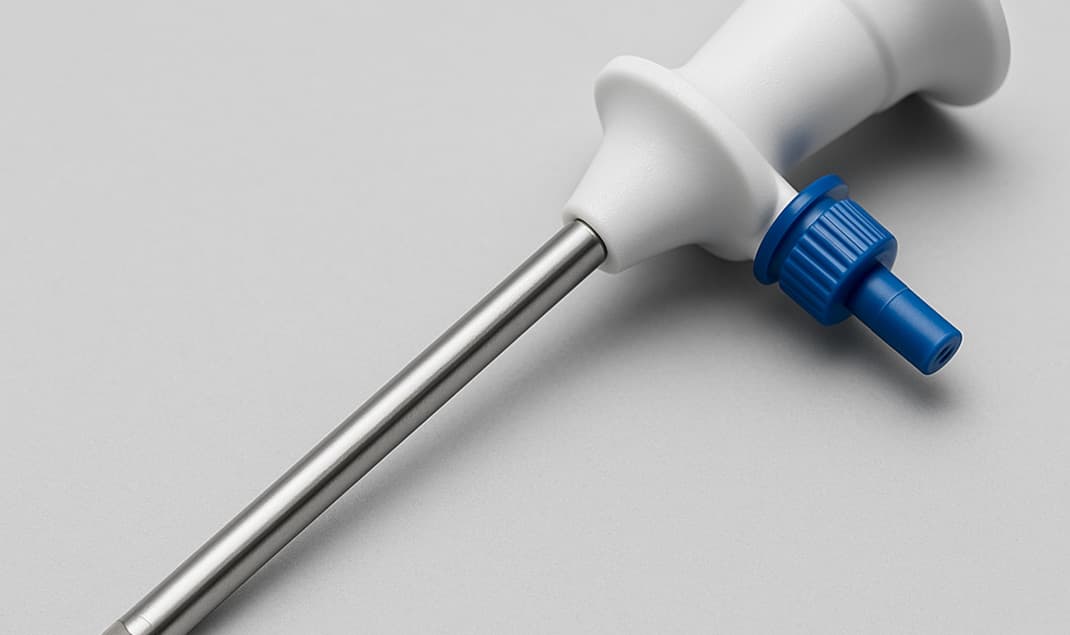
In ventilator tubing, hemodialysis devices, and laparoscopic trocars, even micro-leakage can lead to gas embolism or infection risks. The medical industry follows a “zero-defect” standard, where leak testing is not only about detecting defects but also about preventing defects from escaping into the market. In this context, debating “overquality control” is meaningless—the standard itself is a matter of life.
In these fields, leak testing is not an optional cost, but an absolute necessity based on risk control.
2. Function and Lifespan: The Invisible Divide in Quality
Even without extreme safety risks, leak-tightness quietly separates “excellent” from “mediocre.”
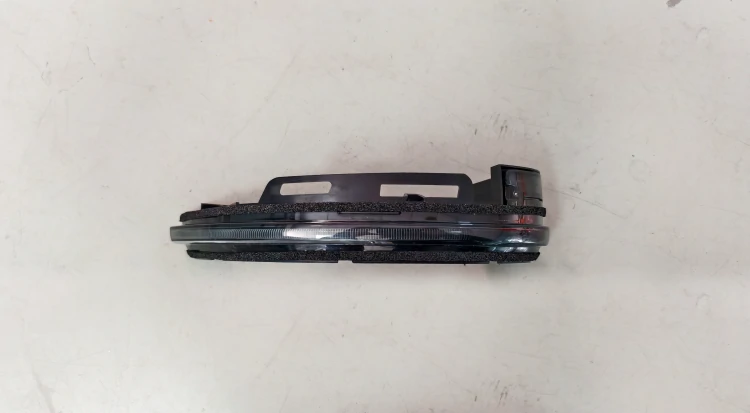
- Automotive components: Fogging in headlights affects illumination and appearance, while engine crankcase leakage increases fuel consumption and vibration. These “small issues” can directly damage overall vehicle quality reputation.
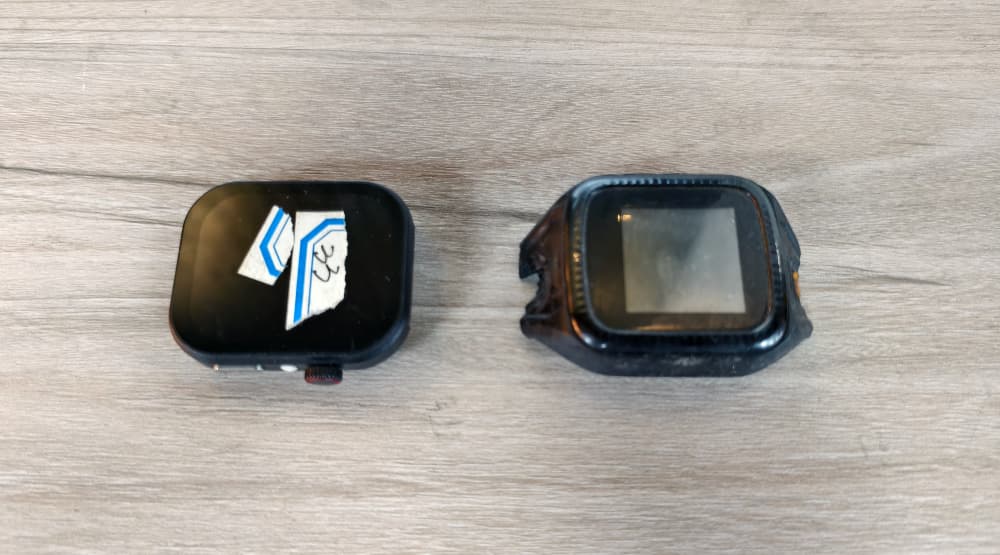
- Consumer electronics: Waterproof performance advertised by high-end smartphones and smartwatches relies on precise leak testing. Once water ingress occurs, functional failure and brand reputation collapse can happen almost instantly.
- Food packaging: Gas-filled chips and vacuum-packed cooked food rely on packaging integrity to determine shelf life. Even tiny leaks cause oxidation and spoilage, leading to large-scale returns.

For products requiring functional reliability and long-term performance, leak testing is a necessary investment to ensure user experience and brand premium value.
3. Precision Paradox: Why “Almost Right” Is Actually the Most Expensive
Some manufacturers believe that relaxing testing standards can reduce procurement costs, but the reality is often the opposite.
1. The Cost Shift Trap
Reduced testing costs are often multiplied into:
- After-sales service costs: travel expenses and compensation for service engineers.
- Brand damage costs: negative reviews spreading and reducing sales.
- Recall costs: a single automotive recall can result in losses of hundreds of millions.
2. The Real Meaning of “Over-Quality Control”
True “over-control” comes from using the wrong method—for example, applying high-standard pressure decay testing to a non-sealed structural part. That is a process design error, not a problem with testing necessity itself. For products requiring sealing, high-precision testing is the most cost-effective insurance.
4. How to Decide: Essential vs Overkill
You can quickly evaluate using the following three questions:
- Does leakage cause safety risks? Yes → Essential; No → go to next question.
- Does leakage cause core functional failure? Yes → Essential; No → go to next question.
- Does leakage significantly reduce lifespan or user experience? Yes → Recommended as essential; No → quality control can be adjusted based on market positioning, but with corresponding risk exposure.
For most industrial products, at least one answer is “yes.” Therefore, leak testing is not overquality control, but a fundamental safeguard of modern precision manufacturing. The real “overkill” does not come from testing itself, but from blindly applying inappropriate methods; the real “necessity” comes from a clear understanding of risk and quality.