 WAFU
WAFU
Engine Components How to Perform Leak Testing? —— A Full Breakdown of a Real Customer Case
1. “Urgent Request” from an Engine Component Manufacturer
In the manufacturing process of engine components, even the smallest leakage can be amplified under high temperature, high pressure, and complex operating conditions, ultimately affecting vehicle performance and even causing safety risks.
A well-known domestic engine component manufacturer needed to establish a stable, highly repeatable leak testing solution during production of related engine parts, for 100% in-line inspection, ensuring every product meets factory standards.
2. Why Do Engine Components Need Leak Testing?
The engine is the heart of a vehicle, and sealing performance directly determines whether this “heart” can operate healthily.
| Prevent performance degradation | The engine relies on precisely controlled “air + fuel” combustion. If leakage occurs in system components, the mixture becomes too lean, combustion slows down, leading to vibration, weak acceleration, and reduced power. |
| Prevent safety risks | Oil loss leads to low oil pressure. Dry friction between crankshaft and bearings can quickly cause bearing seizure or crankshaft failure, resulting in total engine damage within minutes. |
| Meet environmental requirements | Fuel vapor leakage increases consumption and may trigger OBD fault indicators, causing inspection or registration failures. |
| Improve quality control efficiency | Leak testing equipment automatically performs “pressurization - stabilization - measurement - exhaust” with full traceable data. |
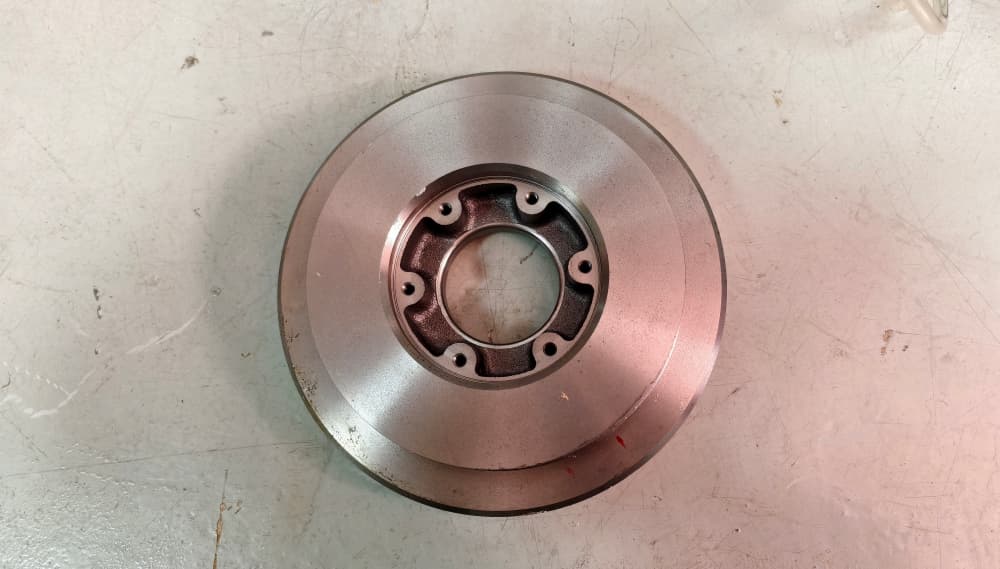 Figure 1: Engine components provided by the customer for testing
3. Basic Solution Concept
Based on customer requirements, this solution adopts both positive pressure and negative pressure methods to perform sealing (leak) testing on the holes of engine components.
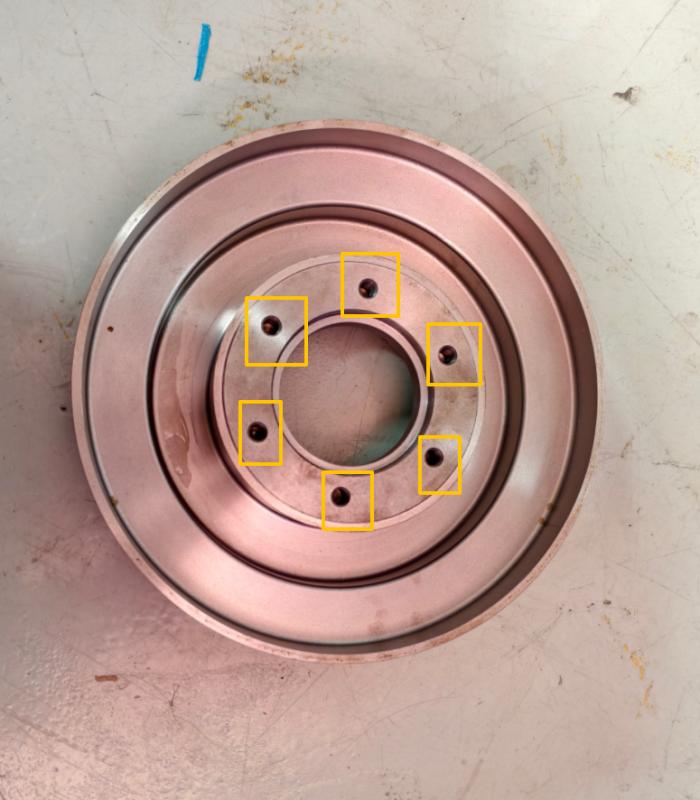 Figure 2: The circled areas indicate holes requiring leak testing
Challenge: Since negative pressure testing is used and the component is relatively heavy, combined with friction from sealing rings, when the fixture rises after exhaust, the product may be lifted together, and when suction is released, it may fall onto the station and damage the equipment.
Solution: Extend the exhaust time by a few extra seconds to ensure all internal gas is fully released.
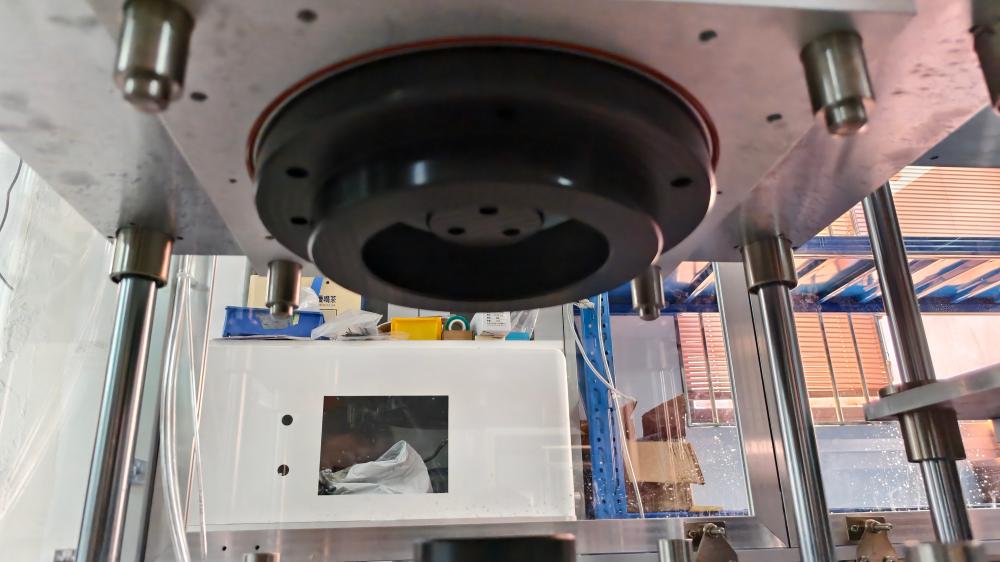 Figure 3: Upper sealing fixture
4. Final Equipment
To meet both positive and negative pressure testing requirements, we ultimately developed a WAFU Brothers engine component dedicated dual-channel positive/negative integrated leak testing cabinet.
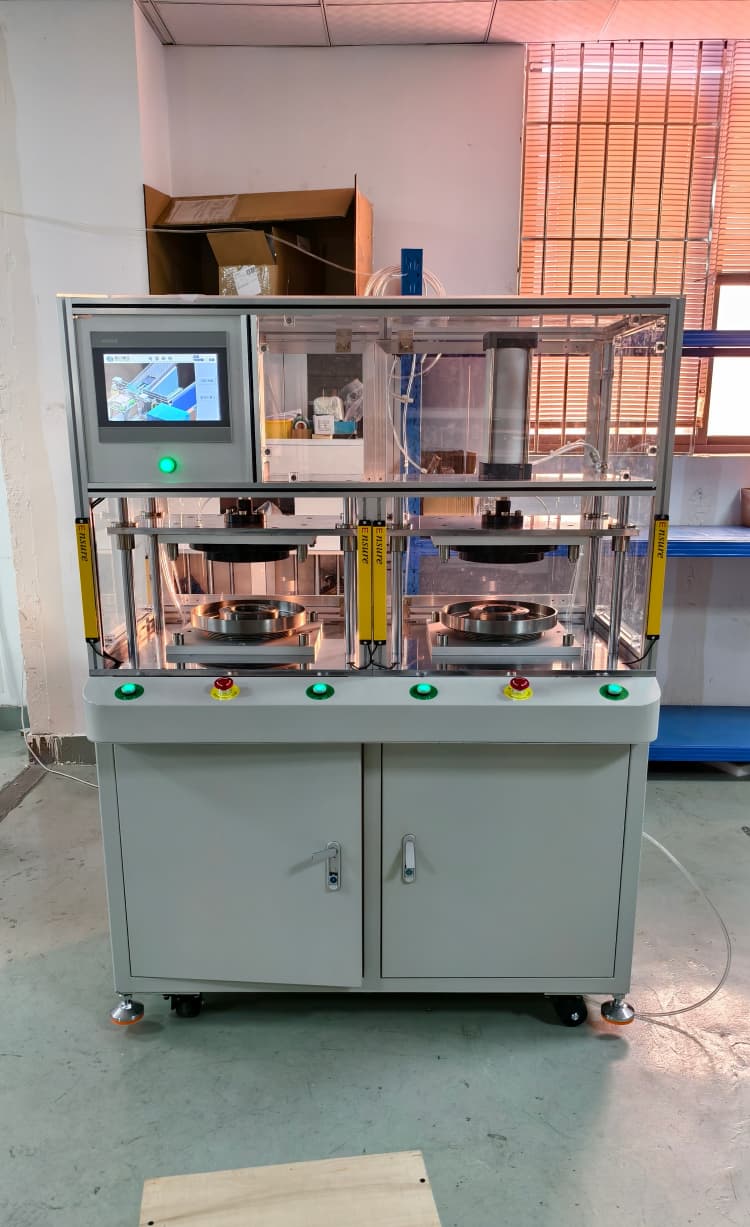 Figure 4: WAFU Brothers engine component dedicated dual-channel positive/negative integrated leak testing cabinet
Channel 1 (left station) is for positive pressure testing, and Channel 2 (right station) is for negative pressure testing. The two channels operate independently without interference and can test simultaneously.
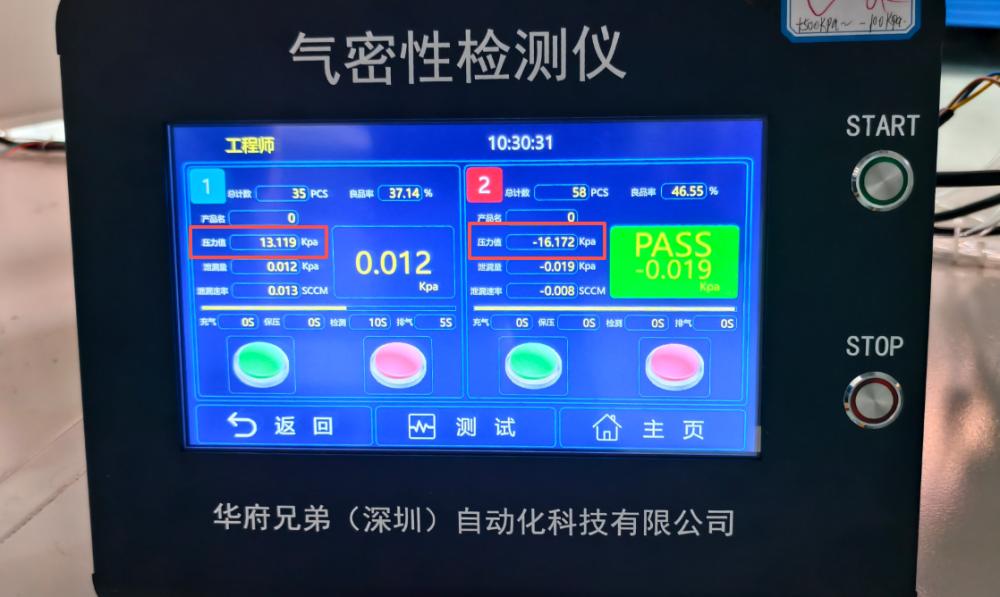 Figure 5: Screen display of the WAFU Brothers dual-channel integrated leak testing cabinet
5. Testing Process
Using the direct pressure method, with both positive and negative pressure. Test pressure range: -100kPa~500kPa, and leak threshold: ±150Pa.