 WAFU
WAFU
A Sealing Issue Ignored by 99%: Real Case Analysis of Automotive Filter Leak Testing
I. Product Overview
Automotive filters are the “filtration devices” in vehicles. Their core structure typically consists of filter paper + sealing ring + housing, responsible for removing impurities, dust, and particles from fluids or air entering key automotive systems (such as engines and air conditioning systems), ensuring system cleanliness and proper operation.
II. Why Do Automotive Filters Require Leak Testing?
Sealing performance (leak tightness) is a critical quality indicator of filters. If sealing fails, unfiltered air or oil can directly “bypass” into the system, rendering the filter ineffective.
| Prevent “filtration bypass” | Leakage in air filters allows unfiltered dust to enter the cylinder, accelerating wear of piston rings and cylinder walls, leading to oil consumption and reduced engine performance. |
| Meet industry quality standards | OEMs (such as Volkswagen, Toyota, BYD, etc.) require leak testing as a mandatory item in PPAP (Production Part Approval Process), typically requiring 100% online inspection rather than sampling. |
| Avoid after-sales failures and brand losses | A well-known filter brand once faced compensation exceeding tens of millions due to a 0.3 mm sealing ring deviation in oil filters, causing abnormal noise during cold starts in tens of thousands of engines. The cost of leak testing is less than 0.1 RMB per unit, while the cost of skipping it can reach millions. |
| Invisible to the naked eye | Leak points in filters are often extremely hidden and can only be detected using a leak tester. |
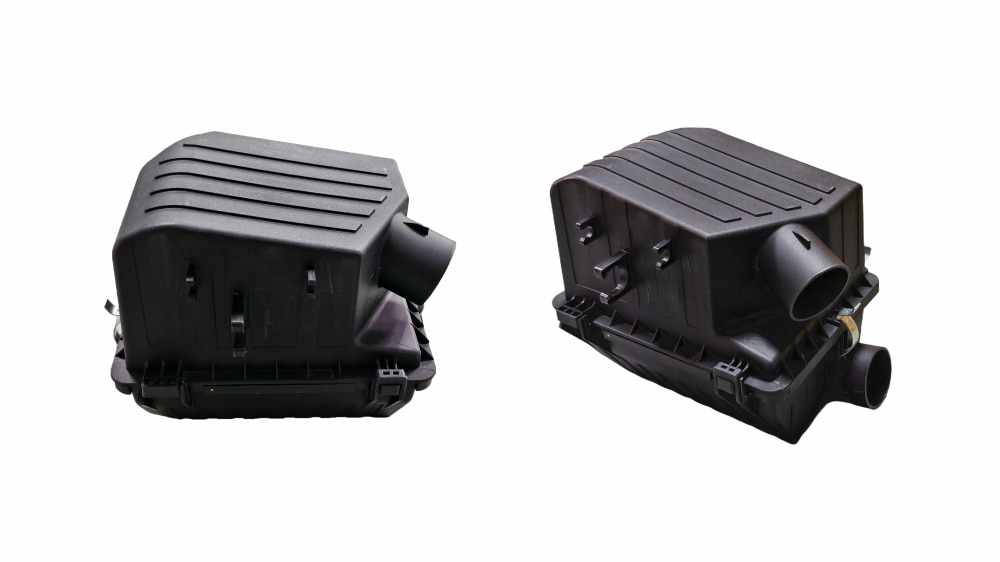 Figure 1: Two types of automotive filters to be tested
III. Basic Solution Design
The main testing position for this automotive filter is the sealing ring at the joint between the upper and lower parts. After sealing the product, air is introduced into the interior to observe airflow conditions.
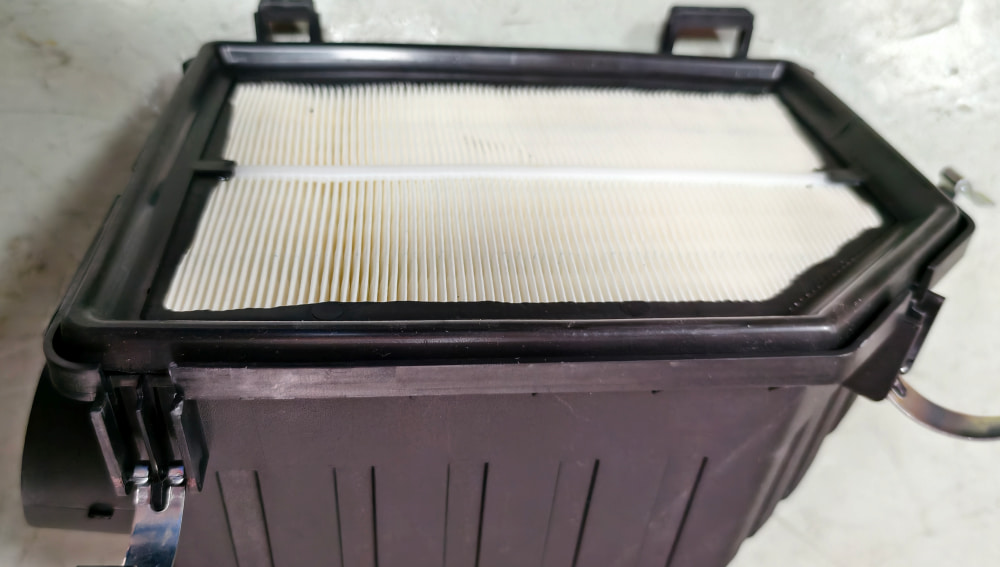 Figure 2: Sealing ring in the middle of the automotive filter
As shown in Figure 1, the automotive filters to be tested are of two different models. The customer requires compatible testing, so WAFU Brothers engineers designed a compatible side-push fixture, enabling the equipment to successfully accommodate both models.
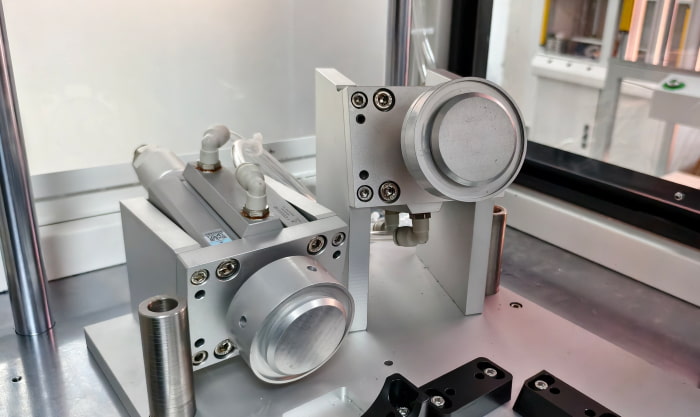 Figure 3: Side-push fixture
Testing challenge: The customer requires immediate marking after passing the test.
Solution: Implemented through software programming. Once the product is judged as qualified, the laser marking machine automatically completes the marking process.
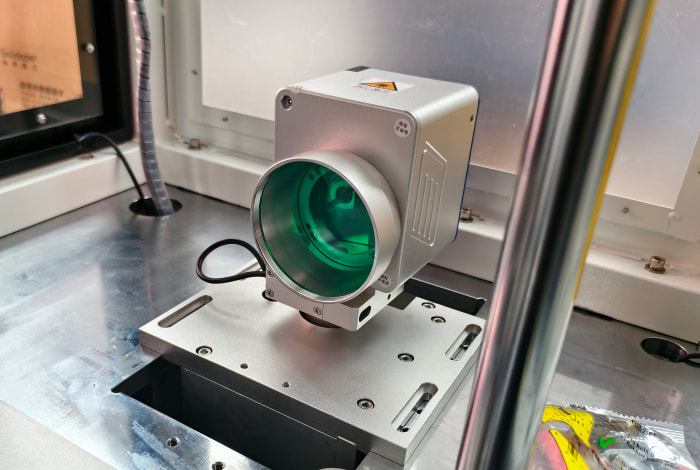 Figure 4: Marking equipment at the workstation
IV. Final Product
The customer for this automotive filter testing project is from Malaysia.
Based on the customer’s requirements for marking, additional computer configuration, and compatibility with different product models, WAFU Brothers developed a custom integrated cabinet-type leak testing machine for automotive filters. This solution enables efficient and stable batch testing, significantly improving product yield and production efficiency.
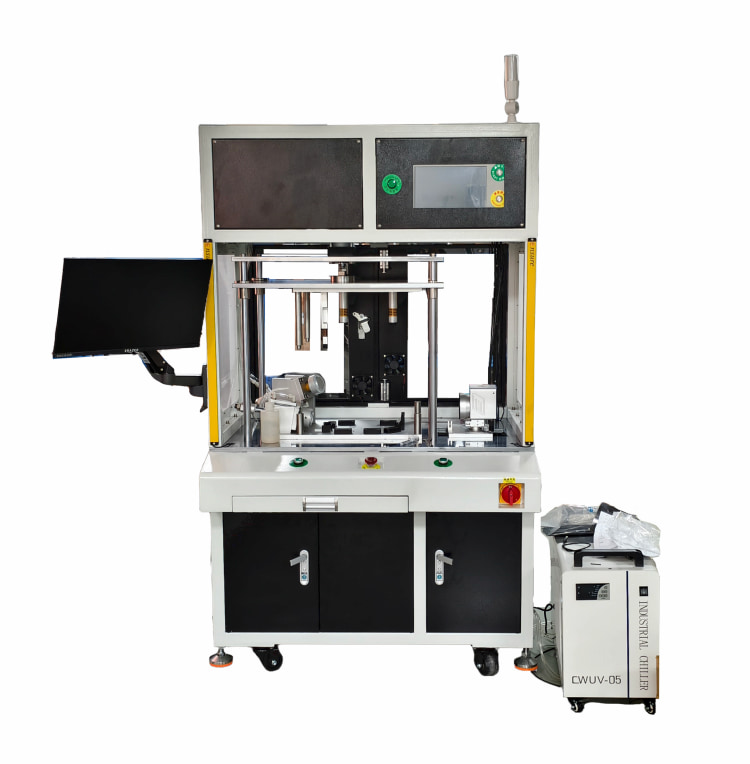 Figure 5: WAFU Brothers customized cabinet-type integrated leak testing machine for automotive filters
V. Testing Process
The flow method is used for testing under negative pressure. The test pressure is -5kPa, and the leakage upper limit is 0.1KPa.
- 1. Place the product to be tested correctly in the designated test station of the fixture.
- 2. Press the start buttons on the control panel simultaneously with both hands to initiate the test program.
- 3. The fixture clamps move to the designated position synchronously, sealing the product effectively and starting internal vacuum extraction.
- 4. The system automatically executes the complete testing procedure and monitors airflow conditions.
- 5. After testing, the screen displays the result: PASS for qualified products and FAIL for unqualified ones. Indicator lights synchronize with the results, and a buzzer alarm can be triggered for defective products.
- 6. For qualified products, the marking machine automatically performs marking.