 WAFU
WAFU
Many factories overlook this! Automotive Lamp Components production sealing quality risks
1. Product Overview
Automotive lamp components refer to various parts and assemblies that make up the vehicle lighting system. These components together form a complete automotive lamp, serving functions such as illumination, signaling, and safety warning. Automotive lamps typically consist of multiple structural parts, optical elements, and electronic components.
2. Why Do Automotive Lamp Components Require Leak Testing?
The main purpose is to ensure that the lamp has good sealing performance, waterproof capability, and long-term reliability in real-world conditions. If the lamp is not properly sealed, moisture, dust, or air may enter the interior, directly affecting the lamp's service life and driving safety.
| Prevent Water Ingress | Cars are often exposed to rain, car wash water, or humid environments. If the lamp components are not properly sealed, water may enter through seams or joints. |
| Prevent Fogging | If there are tiny leaks inside the lamp, external moisture may enter and form fog or water droplets when temperature changes occur, affecting vehicle lighting performance. |
| Improve Product Quality | Using leak testers during production allows defects in sealing to be detected in time, reducing the release of defective products and further enhancing brand reputation. |
| Ensure Driving Safety | In night driving, rainy or foggy weather, or complex road conditions, fogging or short circuits caused by poor sealing may increase traffic safety risks. |
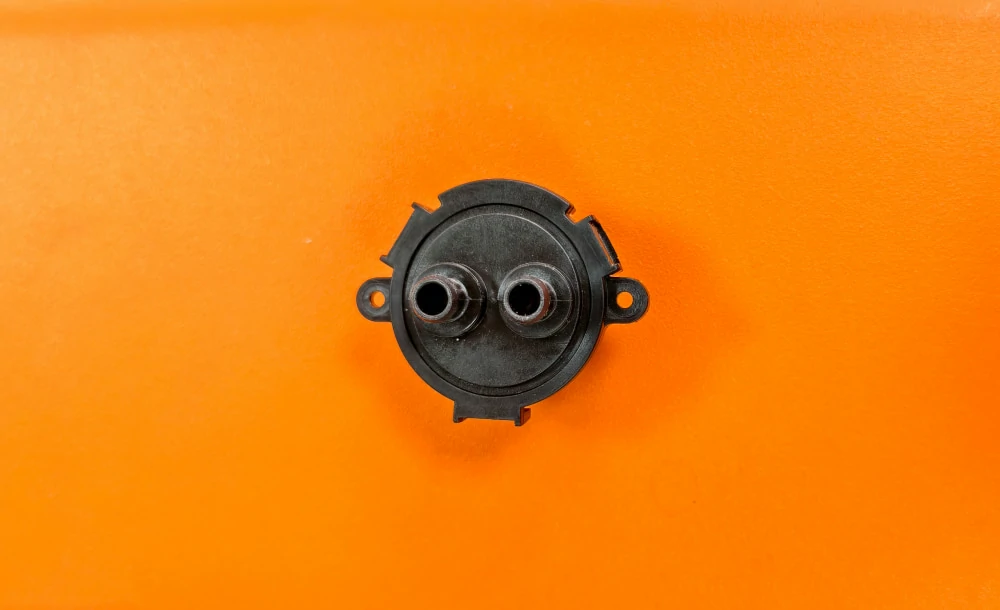 Figure 1: Sample automotive lamp components provided by the client
3. Basic Solution Concept
The requirement for automotive lamp components is **overall testing**, to verify the leak integrity of the entire part.
Since the product itself is a hollow sealed container, the initial fixture design placed the product vertically, sealing only at the openings before injecting air into the holes for testing.
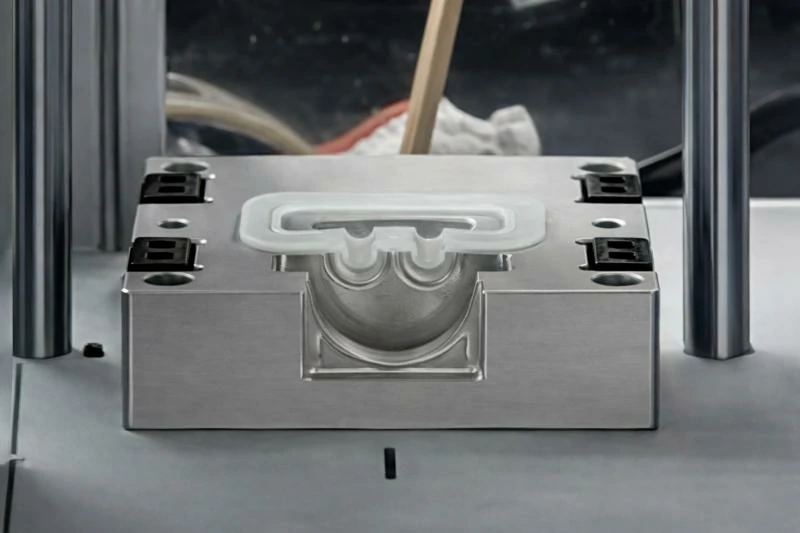 Figure 2: Initially designed fixture
To ensure testing accuracy, the fixture was later modified to place the product horizontally, sealing the entire product, and then injecting test gas into the holes to ensure the integrity of the fixture's sealed space is not affected by other factors.
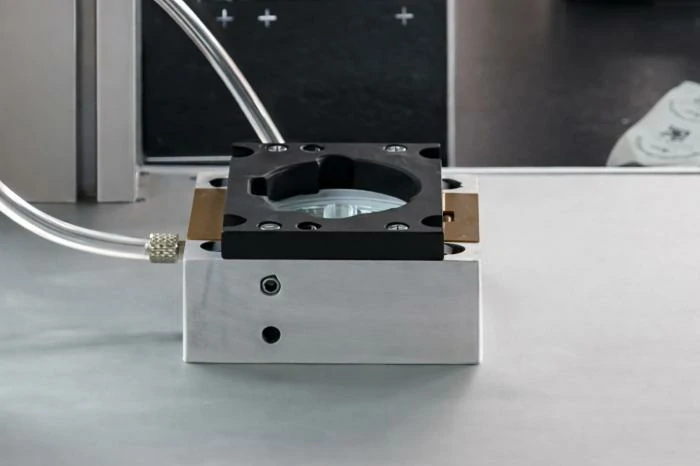 Figure 3: Optimized fixture
4. Final Product
According to the client’s production line requirements, a **dual-channel, dual-station automotive lamp component leak tester** was developed, matching the client’s production rhythm. The fixture connects to the WAFU Brothers Multi-Channel Leak Tester , and the number of channels can be customized based on user needs.
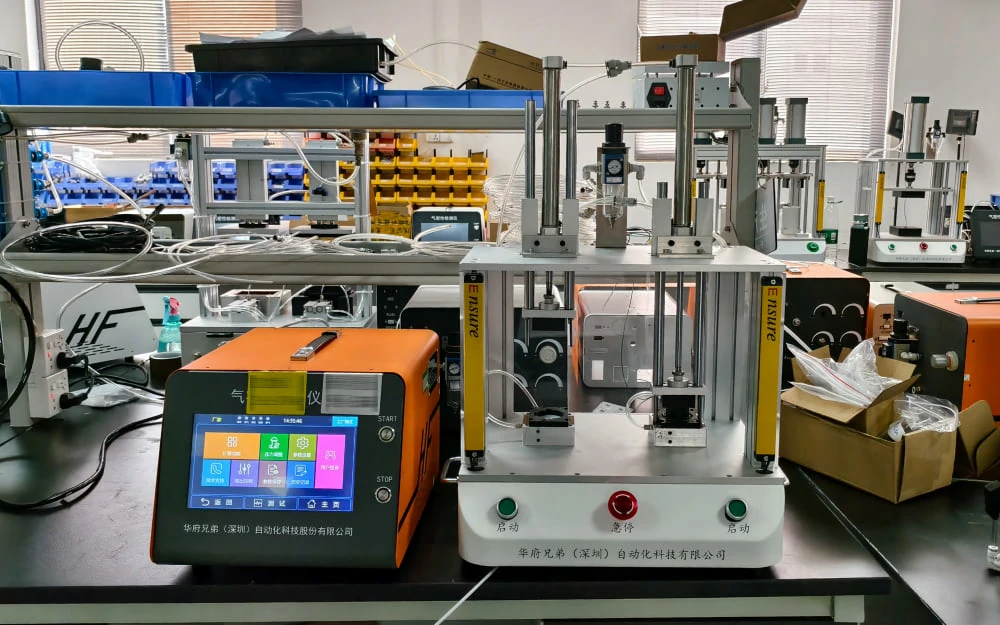 Figure 4: WAFU Brothers automotive lamp component leak tester
5. Testing Process
Using the positive pressure method, the test pressure is set at 10 kPa, and the leak limit is ±50 Pa.
- 1. Place the product to be tested into the corresponding station of the fixture, ensuring proper positioning.
- 2. Press the start buttons on both sides of the fixture simultaneously, or press the start key on the right side of the device to initiate the testing program.
- 3. The fixture automatically clamps down, sealing the product as a whole, while injecting test gas into the holes.
- 4. The system automatically completes the full testing process, sequentially performing inflation, pressure stabilization, testing, and exhaust steps.
- 5. After testing, the device screen displays the result: PASS for pass, FAIL for fail. At the same time, the fixture button indicator lights synchronize to show the testing status, and alarms can be triggered for failed products.