WAFU
WAFU
Automotive Wiring Harness Water Ingress Failures—How to Prevent Them? This Leak Testing Solution Provides the Answer
I. Product Overview
The automotive wiring harness is an essential component of a vehicle’s electrical system and is often referred to as the vehicle’s “nervous system.” It is mainly used to connect various electrical and electronic devices to enable power distribution, signal transmission, and functional control. It consists of wires, terminals, connectors, protective sleeves, and fastening accessories, and is widely used in engine systems, body systems, chassis systems, as well as battery and high-voltage systems in new energy vehicles.
II. Why Do Automotive Wiring Harnesses Require Leak Testing?
With the development of vehicle intelligence and electrification, automotive wiring harnesses are evolving toward higher integration, lightweight design, and greater reliability. At the same time, higher requirements are placed on waterproofing, sealing, and environmental resistance to ensure stable and safe vehicle operation under complex working conditions.
| Prevent Electrical Failure Caused by Water Ingress | During real-world use, vehicles are exposed to rain, wading, and car washing environments. If sealing is inadequate, moisture may penetrate the interior, leading to terminal oxidation, corrosion, increased contact resistance, and unstable signal transmission. Long-term accumulation may even result in electrical failure. |
| Meet Stricter Protection Requirements of New Energy Vehicles | In new energy vehicles, wiring harnesses are widely used in battery systems, motor systems, and high-voltage distribution units. These areas typically require higher waterproofing and insulation levels. Any leakage may reduce insulation performance and introduce safety risks. |
| Enable Quantifiable Quality Control | Compared with traditional immersion or visual inspection methods, leak testing evaluates pressure change or flow data to accurately detect micro-leaks. It offers higher efficiency, quantifiable results, and traceable records, making it more suitable for modern automated production. |
| Detect Assembly Defects in Advance | Sealing problems in wiring harnesses often originate from minor deviations during manufacturing. Leak testing identifies these potential risks before shipment, allowing issues to be controlled within the production stage rather than entering the market. |
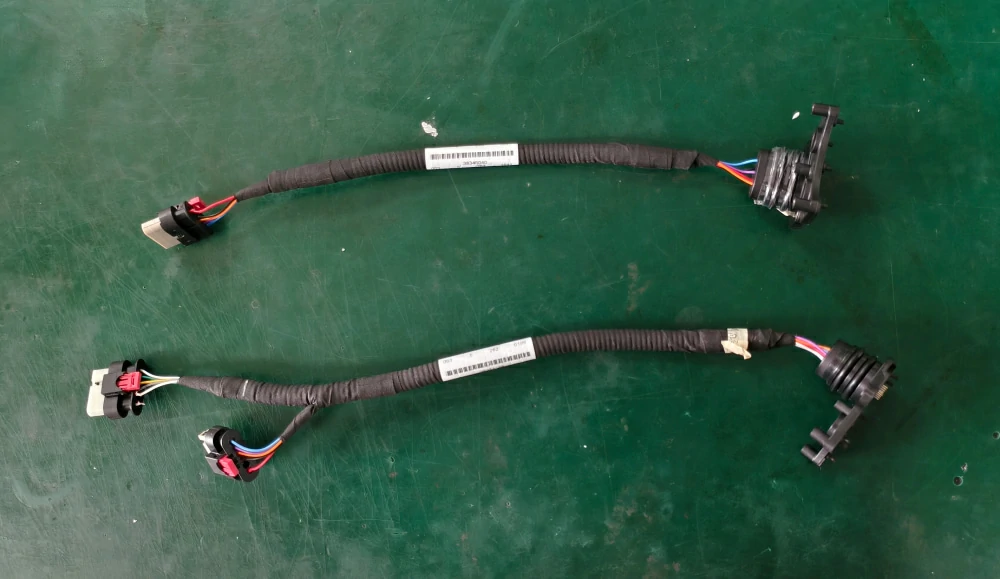 Figure 1: Automotive wiring harness sample provided by the customer
III. Basic Solution Concept
The primary inspection area for this automotive wiring harness is the connector section, where the airtightness of the connector must be verified. Since the connector is equipped with its own sealing ring, there is no need to manufacture traditional fixtures or custom molds to seal the product.
The customer has two product variants, and the designed solution must be compatible with both for testing.
To prevent an internal component from being pushed out during pressurization, a blocking device was designed. After the product is clamped at the station, the device activates and moves into position to seal the small hole at the rear of the connector, preventing the component from being displaced.
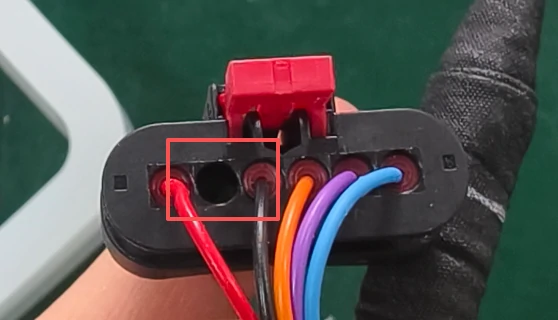 Figure 2: Hole behind the wiring harness connector
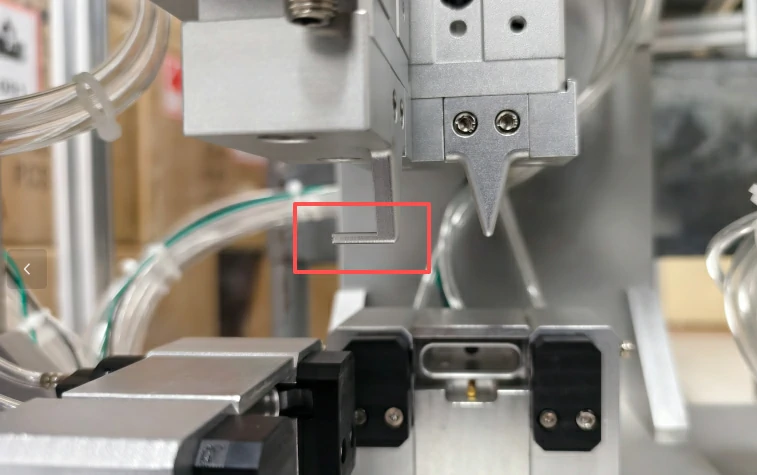 Figure 3: Blocking device installed at each station
Testing Challenge: Because the design uses direct placement followed by clamping—rather than sealing the product through a traditional fixture—this posed a significant technical challenge for WAFU Brothers’ engineers.
Solution: Our engineers conducted on-site investigations at the customer’s factory and studied the characteristics of similar products, ultimately developing a connector clamping solution that satisfied the customer.
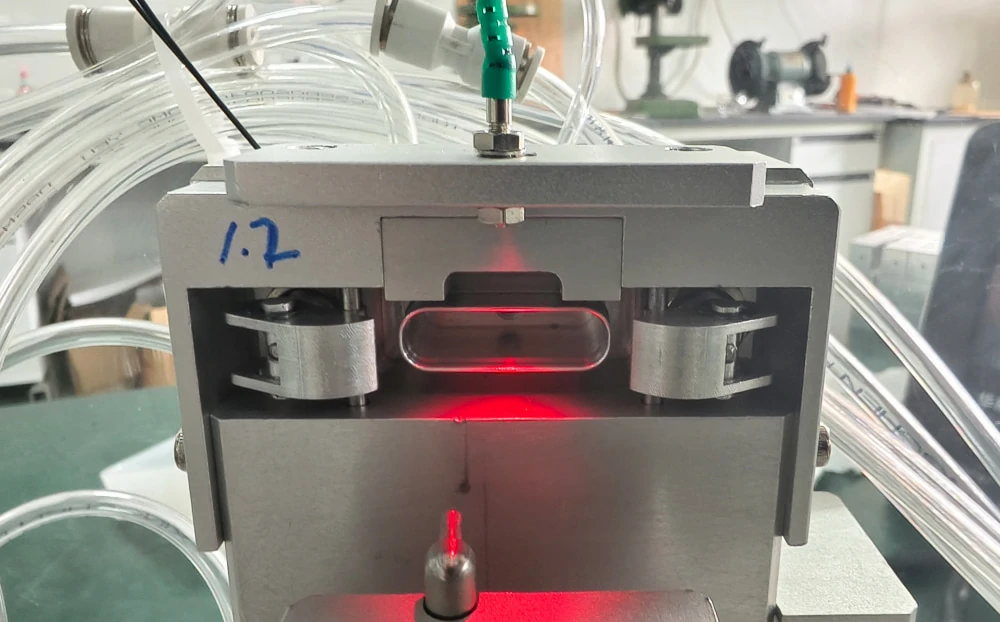 Figure 4: Initially manufactured test station
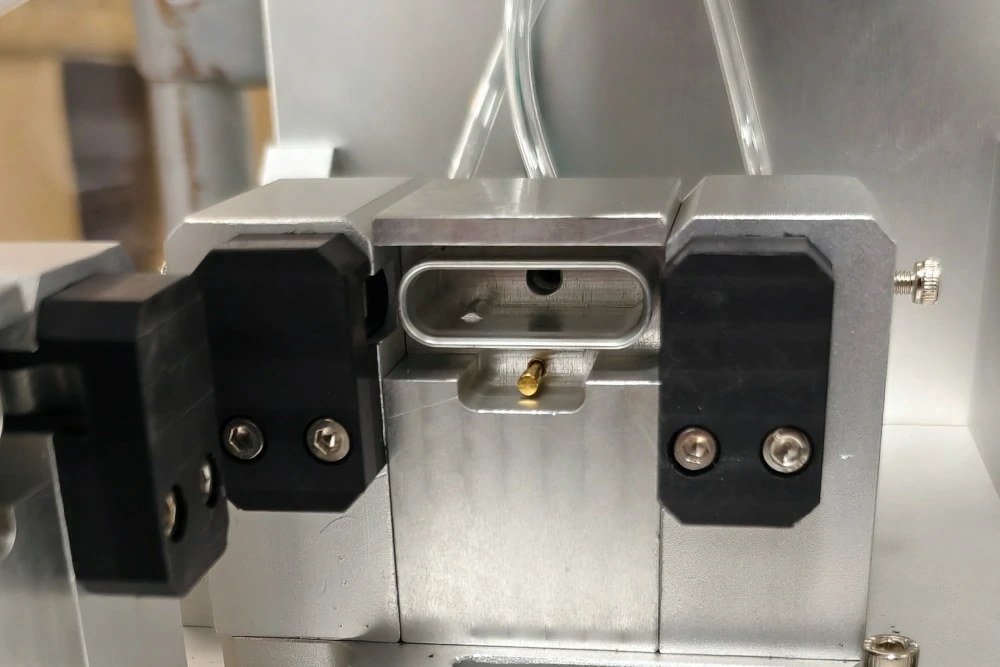 Figure 5: Improved testing station
IV. Final Product
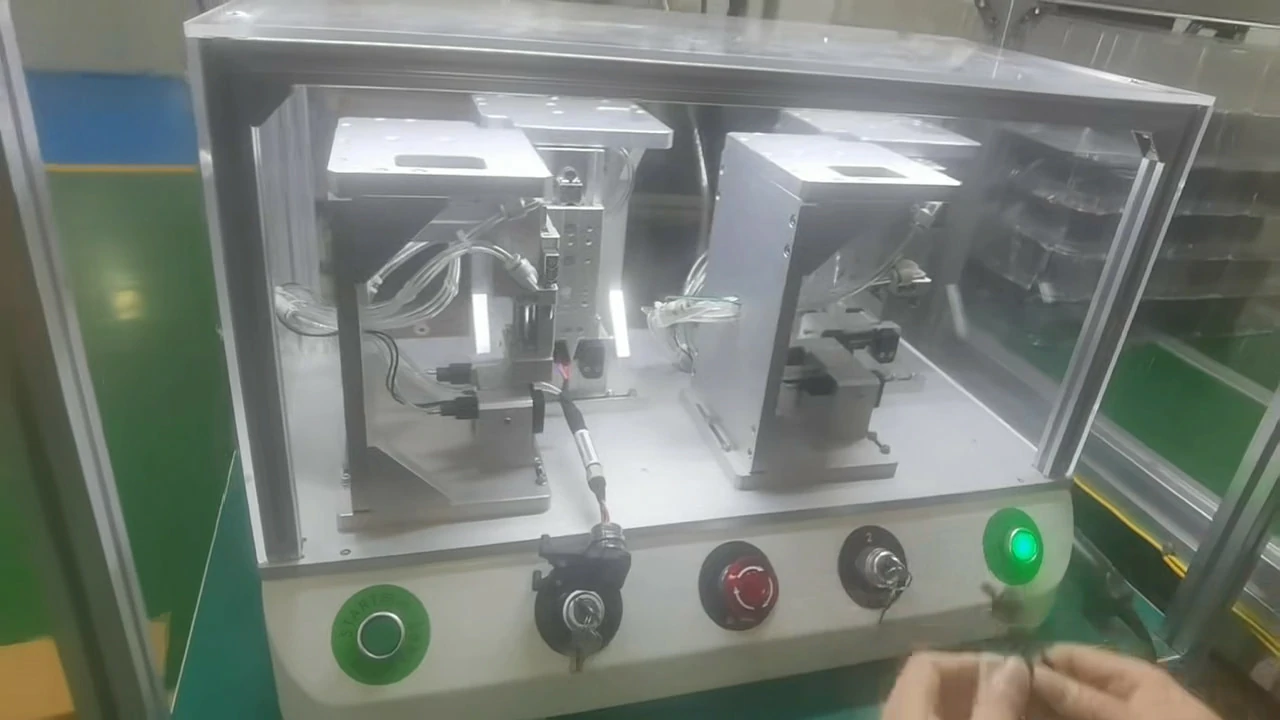
The final system is a two-to-four configuration, four-station dual-channel automotive wiring harness leak tester. It accommodates compatibility testing for different customer products while matching the production line takt time.
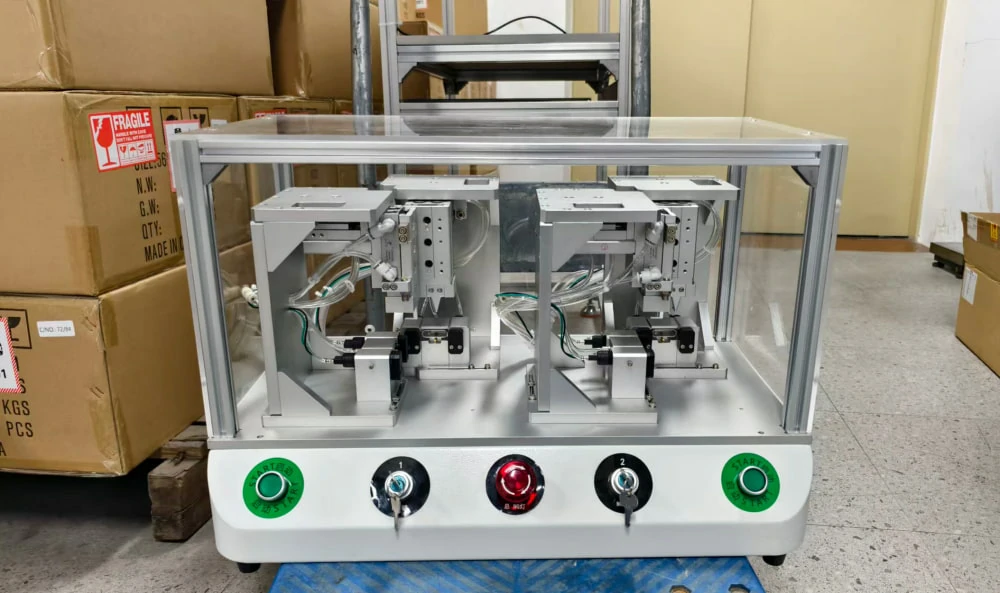 Figure 6: Tooling section of the WAFU Brothers automotive wiring harness leak tester
V. Testing Process
The positive pressure method is used for detection. The test pressure is 50 kPa, and the leakage upper limit is ±100 Pa.