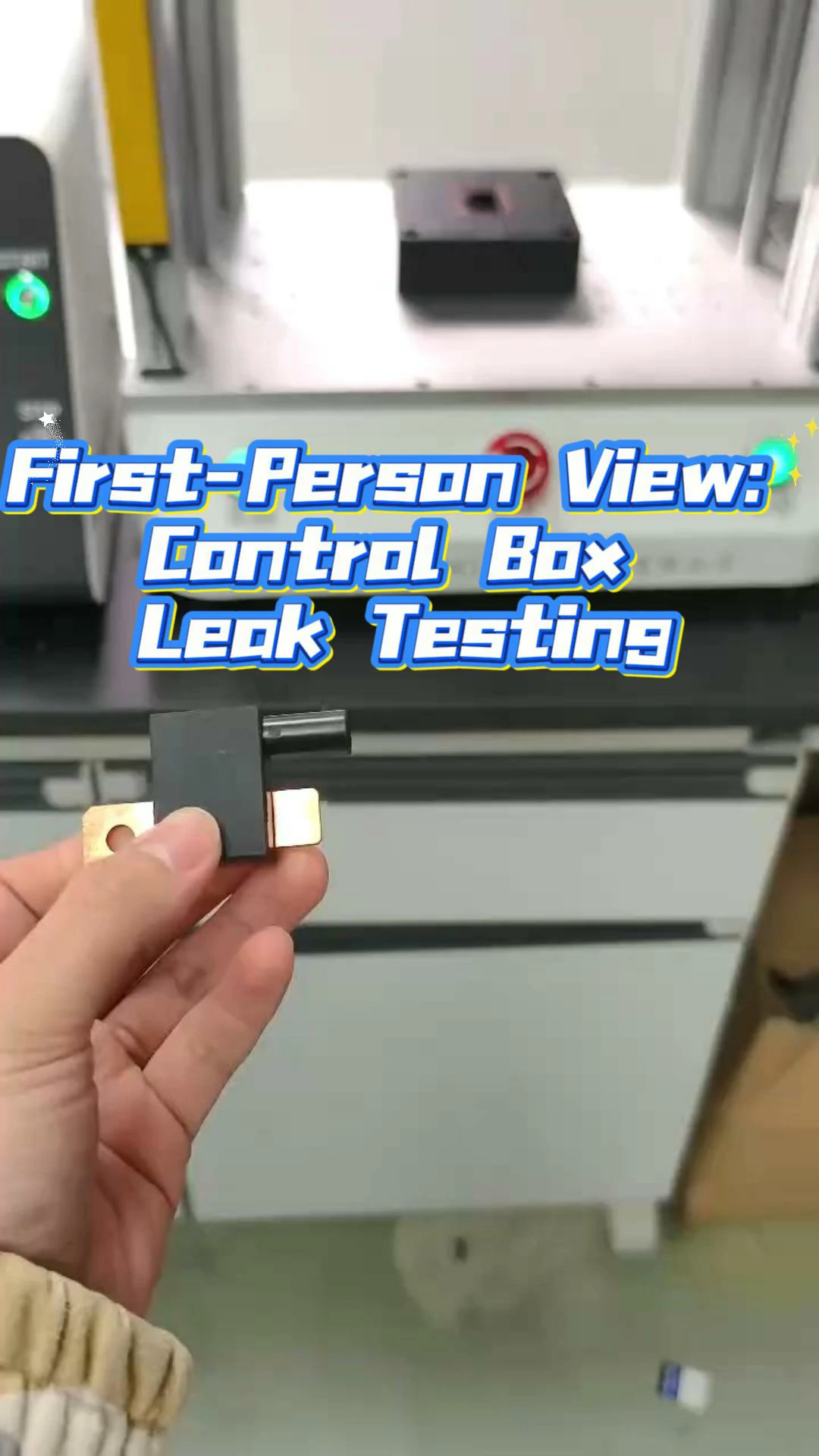
WAFU
WAFU
Control Box Quality Upgrade Achieved with This Leak Testing Solution!
1. Product Overview
A control box is a device or enclosure used to install, protect, and manage electronic control circuits. It usually contains components such as circuit boards, power modules, relays, and connection terminals, and is used to achieve equipment control, signal processing, or power distribution.
2. Why Does a Control Box Require Leak Testing?
Leak testing is required for control boxes mainly to ensure that they maintain good sealing performance, waterproof capability, and long-term reliability in real operating environments. If the control box is not properly sealed, external moisture, dust, or gas may enter the interior, which can easily lead to electronic component damage or even equipment failure.
| Prevent moisture from entering and damaging circuits | Many control boxes are used in outdoor equipment or industrial environments. If the sealing performance is poor, rainwater or condensed water may enter the interior, which can cause circuit board short circuits or even equipment failure. |
| Prevent dust and contaminants from entering | In industrial environments, the air often contains a large amount of dust or particulate matter. If the control box is not well sealed, dust entering the circuit board may cause poor electrical contact, and long-term dust accumulation can also lead to heat dissipation problems. |
| Extend product service life | A well-sealed control box can prevent moisture, corrosion, and external contamination, thereby improving the stability and service life of electronic components. |
| Meet industry standards | Many electronic products must meet protection ratings such as IP67 waterproof and dustproof or IP68 long-term immersion protection before entering the market. These standards usually need to be verified through leak testing or waterproof testing. |
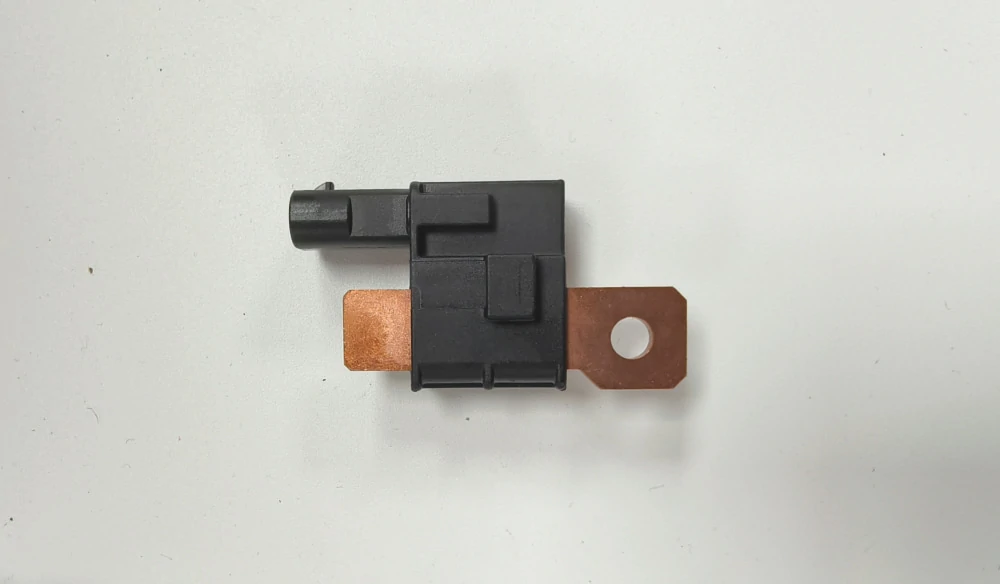 Figure 1: Control box test sample provided by the customer
3. Solution Concept
In this control box leak testing case, the product is tested as a whole to check whether the sealing performance of the glued joints and welded areas meets the required standards.
Testing challenge: The product is relatively small and lightweight, making it difficult to achieve proper sealing for the overall test.
Solution: WAFU Brothers engineers designed a custom contour fixture for the product. This fixture ensures effective sealing during testing while allowing easy loading and unloading of the product, and it prevents the component from being damaged during the pressing process.
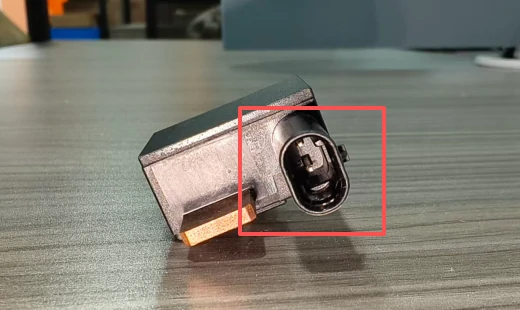 Figure 2: Air intake through the interface
4. Final Equipment
The customer’s daily production volume is not very high, so a single-channel professional control box leak tester was ultimately designed and manufactured. The leak tester connected to the fixture shown in the figure is the WAFU Brothers Multifunctional Leak Tester. Regardless of the size of the leak, the equipment can achieve fast and precise detection. With high-precision sensors and an intelligent control system, the testing process becomes more stable and efficient.
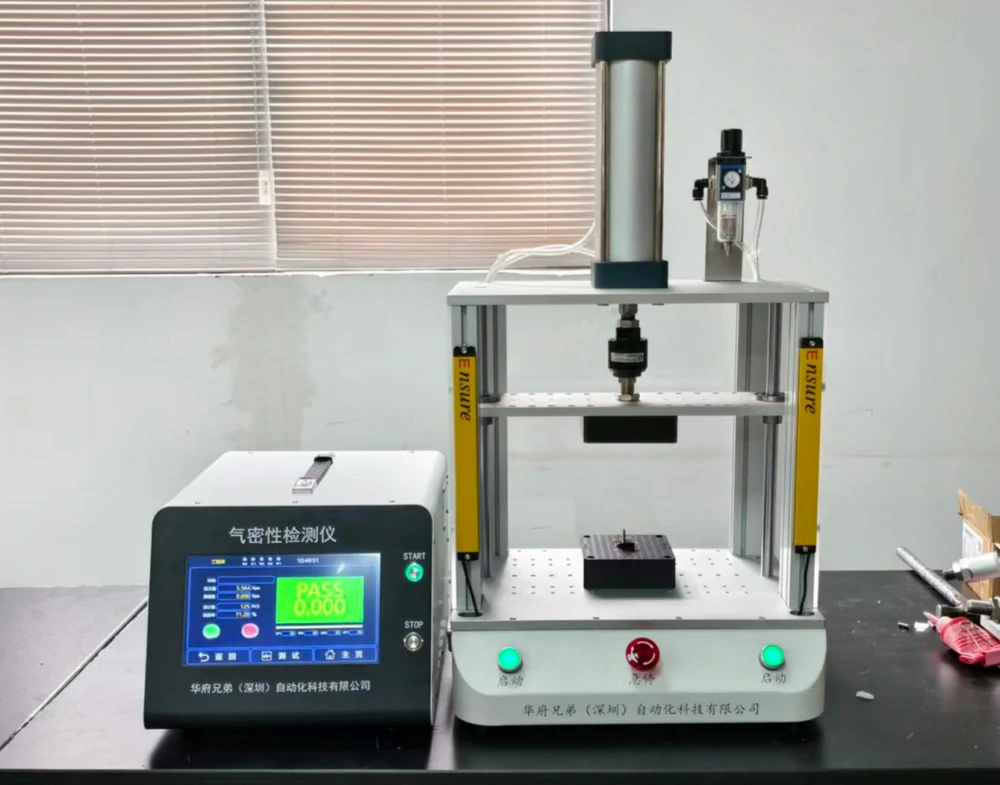 Figure 3: Custom leak tester for control box testing
5. Testing Process Demonstration
The positive pressure method is used to test the sealing performance of the product. The testing pressure is 5 KPa, and the maximum allowable leakage limit is 50 Pa.