 WAFU
WAFU
Is the Leak Testing Performance of Your E-Bike LCD Display Qualified? Find Out with One Test
1. Product Overview
An E-bike LCD display is an intelligent instrument that integrates speed display, battery monitoring, mileage statistics, and fault information display. The product features a high-brightness LCD screen with clear and intuitive data presentation, allowing easy reading even under direct sunlight. By communicating with the motor control system in real time, the display provides riders with accurate vehicle operating information and is widely used in electric bicycles (E-bikes), electric mountain bikes, and electric motorcycles.
2. Why Does an E-Bike LCD Display Need Leak Testing?
Leak testing is essential for E-bike LCD displays because they are essentially outdoor sealed electronic products. They are continuously exposed to rain, dust, temperature fluctuations, and high-pressure washing environments. Once the sealing fails, it can directly lead to functional malfunctions or even vehicle system failures.
| Protect Internal Electronic Components | The display contains a PCB circuit board, LCD screen, and communication interfaces, all of which are highly sensitive to moisture. Water ingress or condensation may cause screen distortion, data drift, or even permanent short-circuit damage. |
| Adapt to Real-World Riding Conditions | E-bikes are often used in complex environments such as rainy weather and muddy roads. Therefore, the display is typically required to meet a certain protection rating, commonly IP67 or IP68. |
| Identify Manufacturing Defects Early | Variations in injection-molded housings, assembly tolerances, and gasket compression can all affect sealing performance. Visual inspection alone cannot detect micro leaks. Leak testing helps eliminate potentially defective products before shipment, reducing after-sales repair rates and improving overall vehicle reliability. |
| Comply with Industry Standards | The industry generally requires e-bike displays to achieve an IP67 waterproof rating to ensure reliable operation under normal use conditions. |
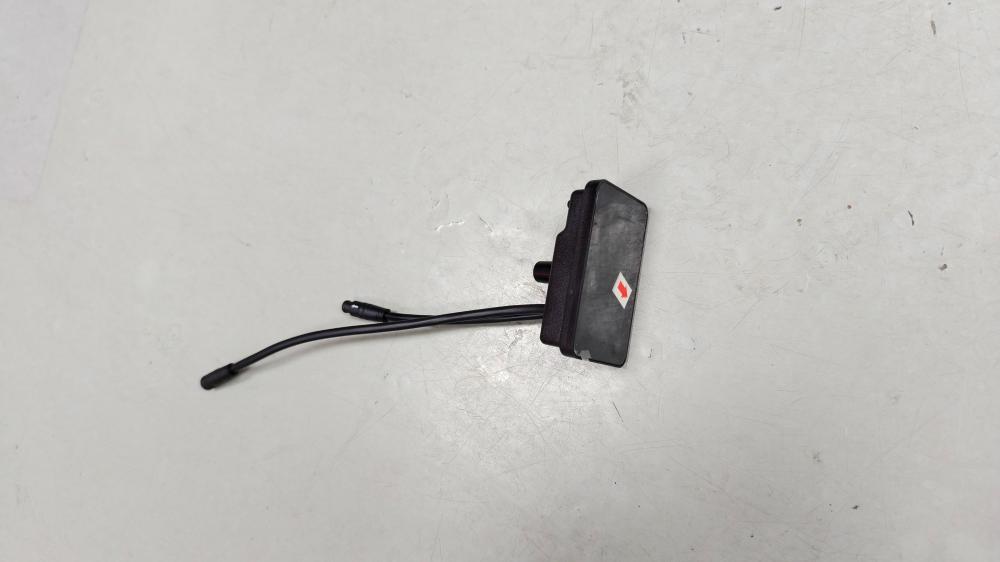 Figure 1: E-bike LCD Display Used for Testing
3. Solution Design
The leak testing of an E-bike LCD display is performed on the entire assembly, including the LCD panel, housing joints, complete enclosure, and the connection area between the main body and wiring harness. Therefore, a custom-shaped fixture is required to seal the entire display assembly before pressurization and testing.
Since the E-bike LCD display is already a finished product during leak testing, a dedicated wiring harness placement slot was designed in the lower fixture to prevent operators from placing the harness improperly during loading, which could otherwise result in fixture-induced product damage.
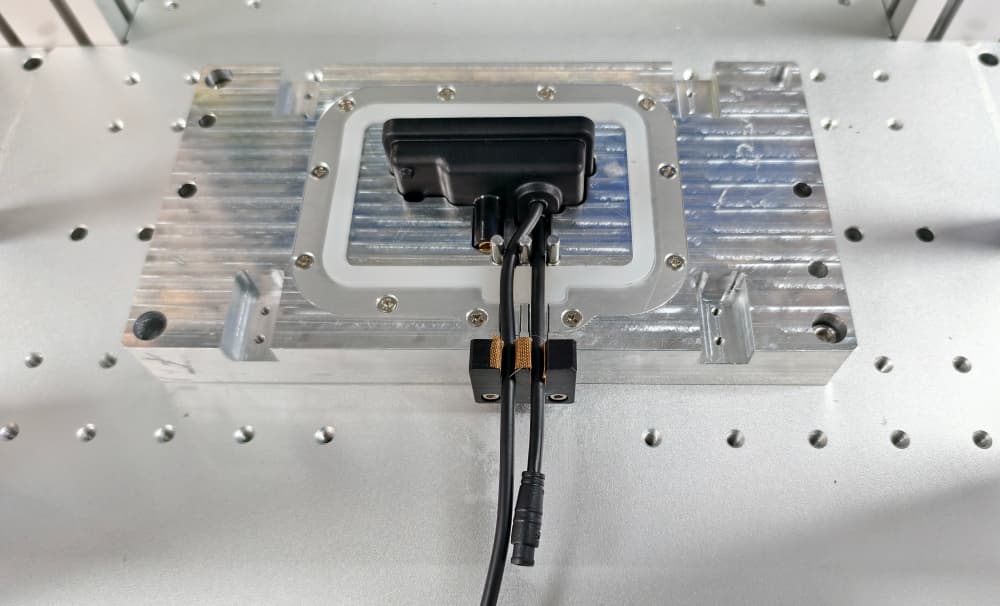 Figure 2: E-bike LCD Display Positioned in the Fixture
4. Final Product
Based on the customer's requirements and production cycle time, a single-channel, single-station leak tester specially designed for E-bike LCD displays was developed and manufactured.
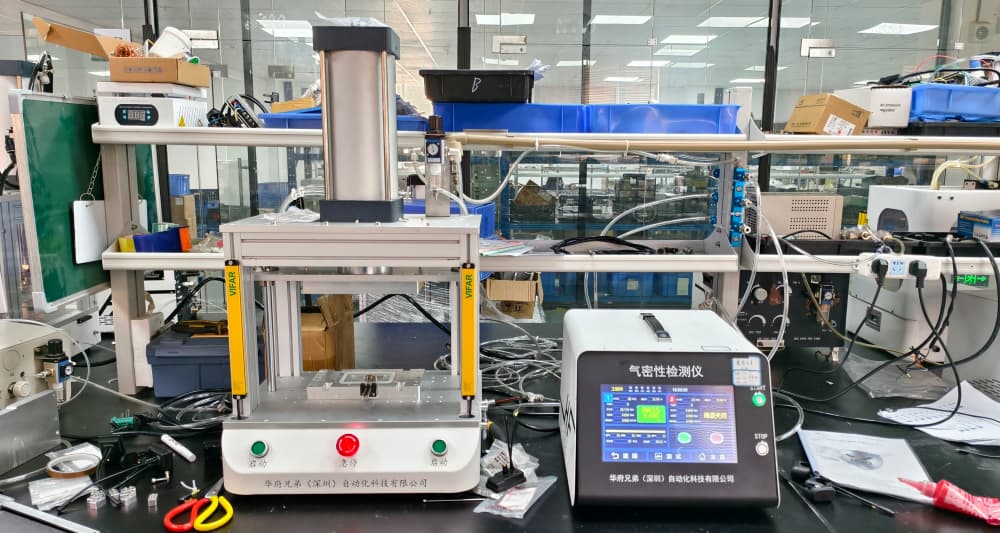 Figure 3: Leak Tester for E-bike LCD Displays
5. Testing Procedure
The product is required to meet the IP67 waterproof rating. Testing is conducted using the Direct Pressure Method, with a positive pressure test condition. The test pressure is set to 100 kPa, and the maximum allowable leakage limit is 50 Pa.
- 1. Place the product correctly inside the fixture and position the wiring harness in the designated slot.
- 2. Press both start buttons simultaneously or press the start button on the right side of the tester to begin the testing program.
- 3. The upper fixture automatically descends to seal the product, after which test air is injected into the product.
- 4. The testing process consists of four stages: pressurization, stabilization, testing, and exhaust.
- 5. After testing is completed, the screen displays the result (PASS/FAIL), and the fixture indicator light illuminates simultaneously. For failed products, an optional buzzer alarm can be activated.