 WAFU
WAFU
How Does a Leak Tester Protect Million-Dollar Printer Printheads? A Complete Breakdown of the Waterproof Leak Testing Process
1. What Is a Printer Printhead?
The main function of a printer printhead is to precisely spray ink onto paper or other media surfaces, acting like the “pen tip” of the printer. Inside the printhead are numerous microscopic nozzles that use either thermal or piezoelectric technology to eject ink with extremely high precision.
2. Why Do Printer Printheads Need Leak Testing?
Printer printheads operate in a constantly humid ink environment, which requires complete isolation between the internal circuitry and ink channels. Therefore, leak testing for printheads is not only a reliability test for waterproof and dustproof performance, but also a critical process for ensuring print accuracy and product lifespan.
| Ink Leakage Causing Printhead Burnout | The internal circuitry and ink channels inside the printhead are separated only by micron-level polymer sealing layers or adhesive interfaces. If micro leaks occur, ink may slowly seep into the circuit area through capillary action, directly causing short circuits and burnout. |
| Ensuring Inkjet Precision | Printer printheads are high-precision components with extremely small nozzle diameters. Unstable internal pressure can lead to broken lines, ink misting, poor print quality, white streaks, or uneven colors during printing. |
| Preventing Ink Leakage | If the product sealing is inadequate, ink may slowly leak out, causing ink leakage, dripping, contamination inside the printer, and ink spots on printed paper, ultimately affecting print quality and equipment stability. |
| Screening Out Micro-Leak Defects in Advance | Some printer printheads may appear normal to the naked eye and function properly for a short period, while actually containing micro leaks internally. After prolonged use, these products are prone to various printing abnormalities. |
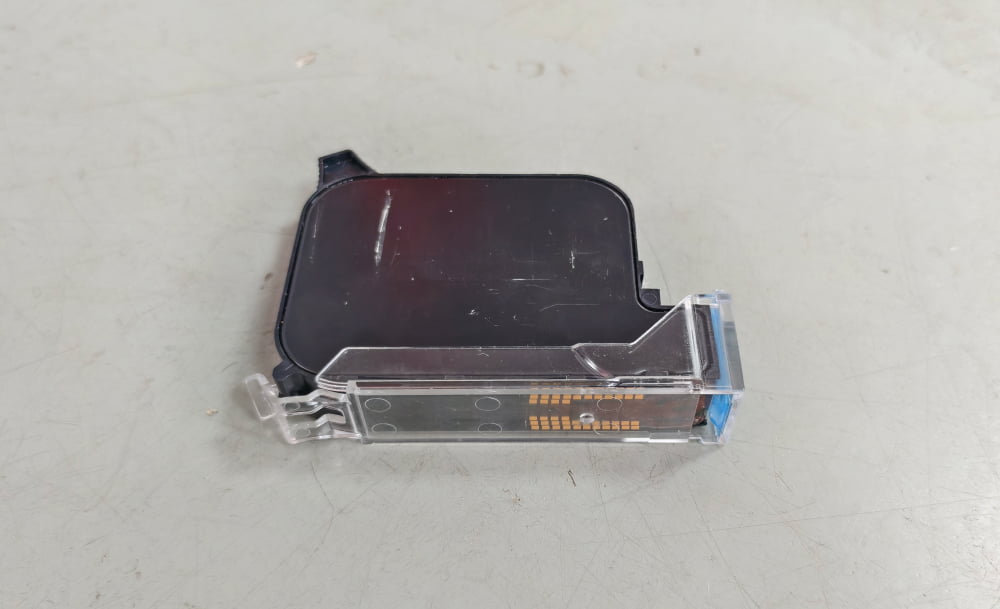 Figure 1: Printer Printhead Requiring Leak Testing
3. Solution Design
This leak testing solution uses a vacuum negative pressure testing method to inspect the overall sealing performance of the printer printhead. Since this type of product belongs to a “sealed component with openings,” only the holes need to be vacuumed while monitoring pressure changes.
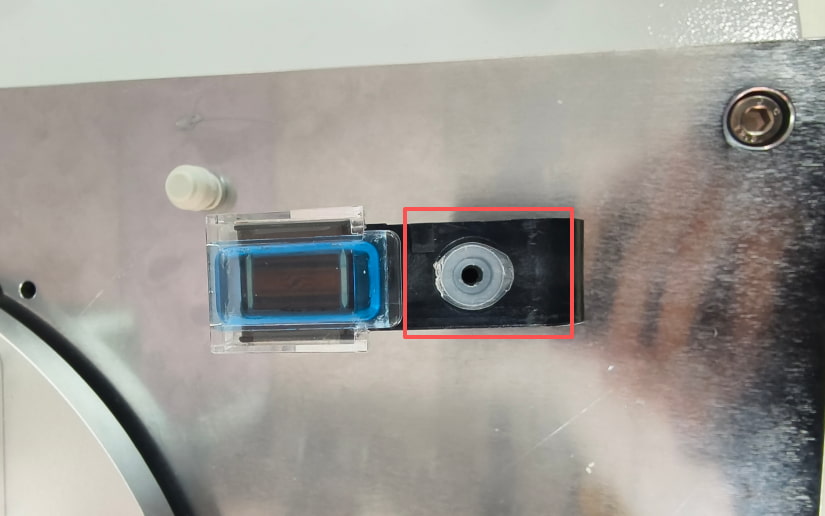 Figure 2: Vacuum Port
Testing Challenge: Since the printer printhead is already a finished product during leak testing, preventing wear and scratches during the testing process became the main challenge in fixture design.
Solution: Teflon material was applied to the fixture contact surfaces to reduce friction between the fixture and the product, effectively preventing surface wear.
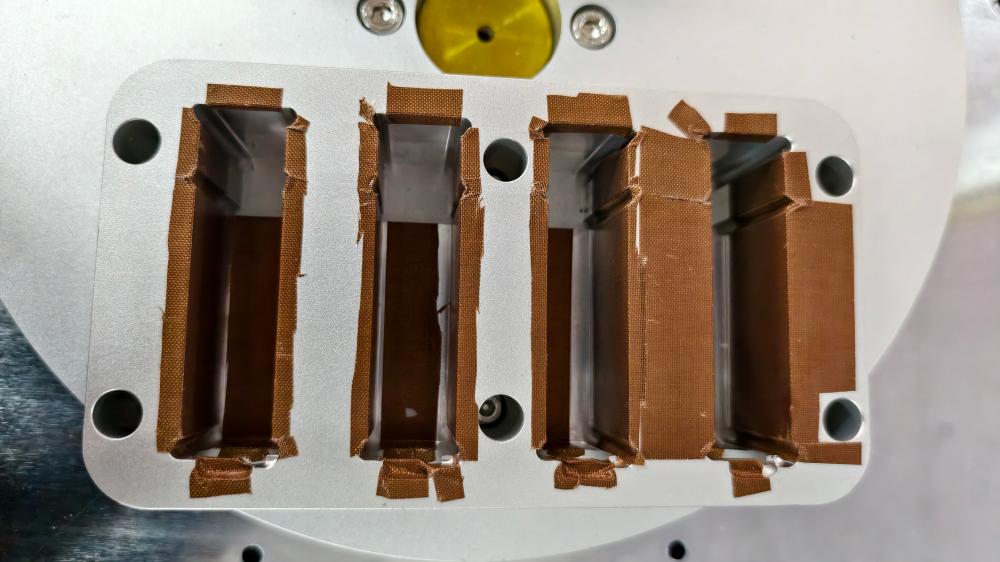 Figure 3: Internal Teflon Protective Layer Inside the Fixture
4. Final Equipment
Due to the customer's high production volume and budget-saving requirements, an 8-station, 4-channel integrated leak testing machine for printer printheads was designed. The system can simultaneously test up to 4 products. With its rotating turntable structure, another 4 products can be tested immediately after restarting the cycle, eliminating repeated loading time.
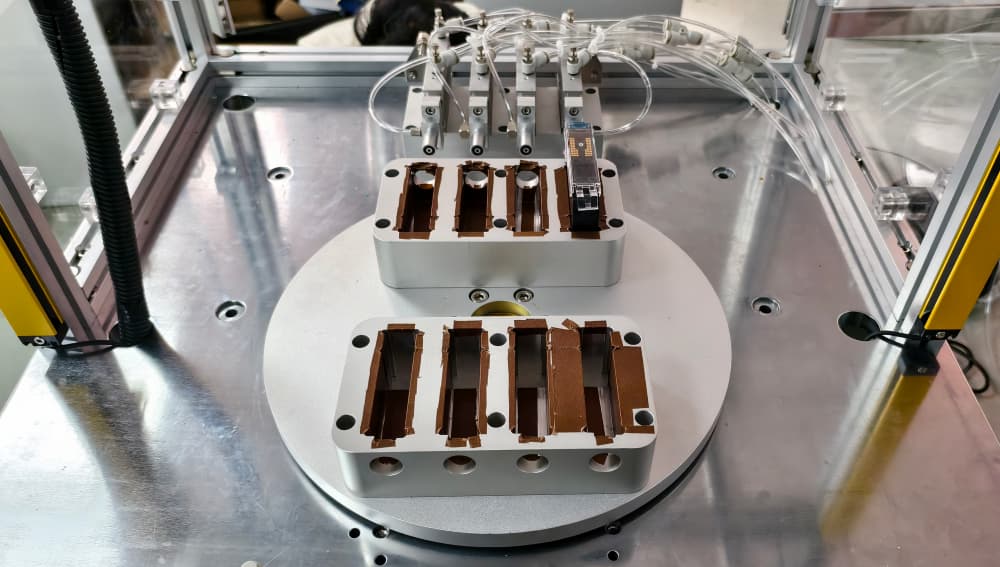 Figure 4: Rotating Turntable on the Fixture
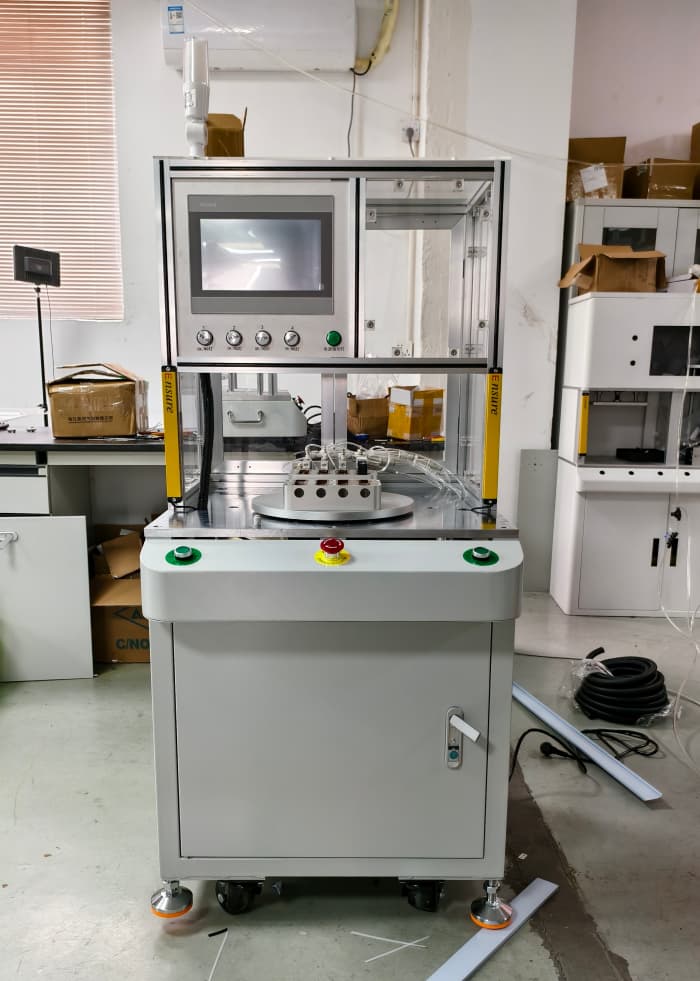 Figure 5: Integrated Leak Testing Machine for Printer Printheads
5. Leak Testing Process Demonstration
The testing uses the Direct Pressure Method, with the air pressure state set to negative pressure. The test pressure is configured at -35kPa, and the leakage upper limit is set to 150Pa.