WAFU
WAFU
How to Prevent Relay Failure Caused by Water Ingress? This Leak Testing Solution Has the Answer
1. What is a Relay?
A relay is an automatic switching device based on electromagnetic or electronic principles that enables low-power signals to control the on/off of high-power circuits. It is widely used in electrical control and automation systems.
2. Why Do Relays Require Leak Testing?
Relays are indispensable switching components in industrial automation and electronic devices. In practical applications, relays require high sealing performance and waterproof capability. Leak testing is a key process to ensure long-term reliable operation of relays.
| Contact Oxidation or Corrosion | Relay contacts are typically made of metal. When moisture or water enters, oxidation or electrochemical reactions may occur, forming oxide layers or corrosion. This reduces conductivity, increases contact resistance, and affects normal switching performance. |
| Unstable Electrical Performance | Moisture ingress caused by poor sealing can reduce insulation performance and even lead to micro leakage or discharge, resulting in voltage/current fluctuations, poor contact, false triggering, or abnormal response, affecting overall system stability. |
| Shortened Service Life | In humid or water-ingress environments, internal components of the relay will age and wear faster, leading to reduced mechanical and electrical performance, fewer switching cycles, and a significantly shortened service life. |
| Failure or Safety Risks in Severe Cases | When corrosion or moisture becomes severe, it may cause contacts to stick, fail to disconnect, or completely lose conductivity, resulting in circuit failure. It may also lead to short circuits or overheating, posing safety risks in automotive or industrial applications. |
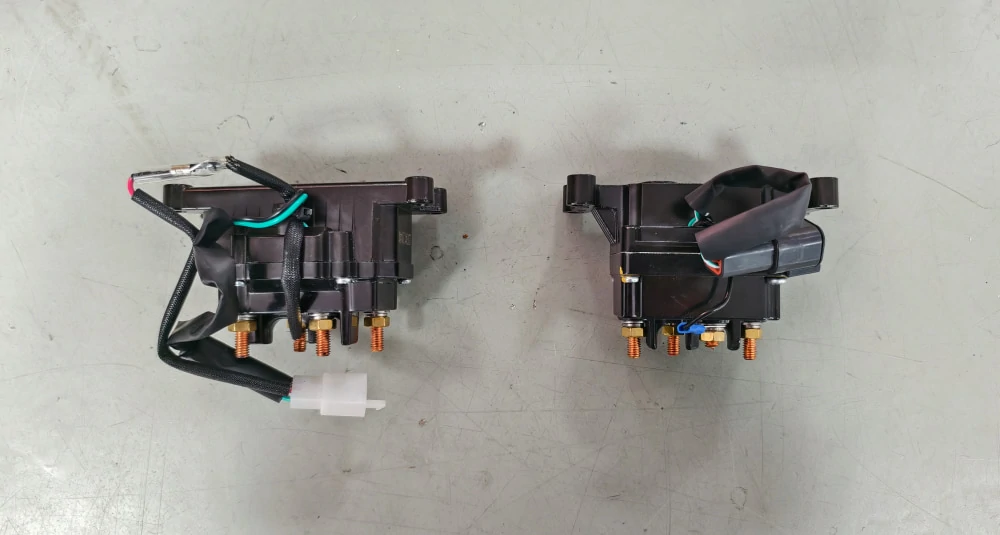 Figure 1: Relay samples provided by the customer
3. Solution Design
As shown in Figure 1, two different relay models need to be tested simultaneously. Therefore, a dual-station design with independent channels for each product was adopted. Two different types of products can be tested at once without interference between results.
Testing Challenge: The product is a fully assembled unit with wiring. Improper loading may result in the fixture pressing and damaging the wires during sealing, causing product scrap.
Solution: WAFU Brothers engineers designed a dedicated wire positioning structure within the fixture. During loading, operators only need to place the wires into the designated position, effectively preventing damage during fixture closure.
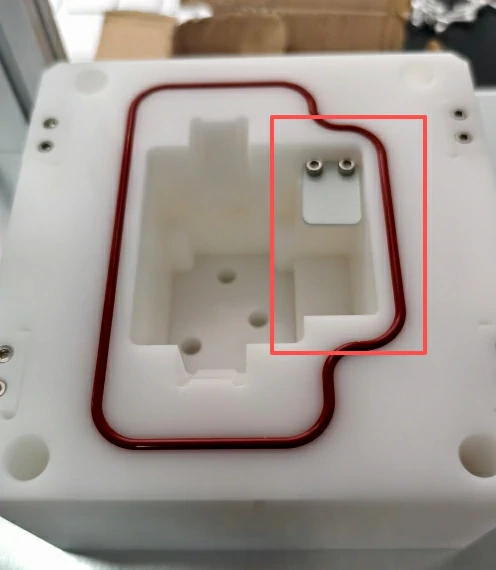 Figure 2: Fixture positioning on station 1
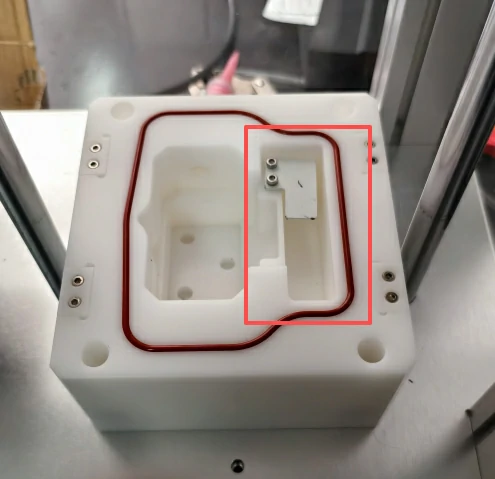 Figure 3: Fixture positioning on station 2
4. Final Product
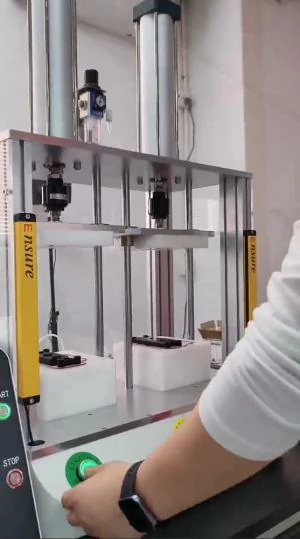
Based on customer requirements, a dual-channel, dual-station relay-specific leak tester capable of simultaneously testing two different product models was developed. The image shows the equipment along with the fixture. The connected instrument is the WAFU Brothers Multi-Channel Leak Tester , which supports multiple customized testing channels, offering high accuracy, fast speed, and a wide testing range to meet various customer needs.
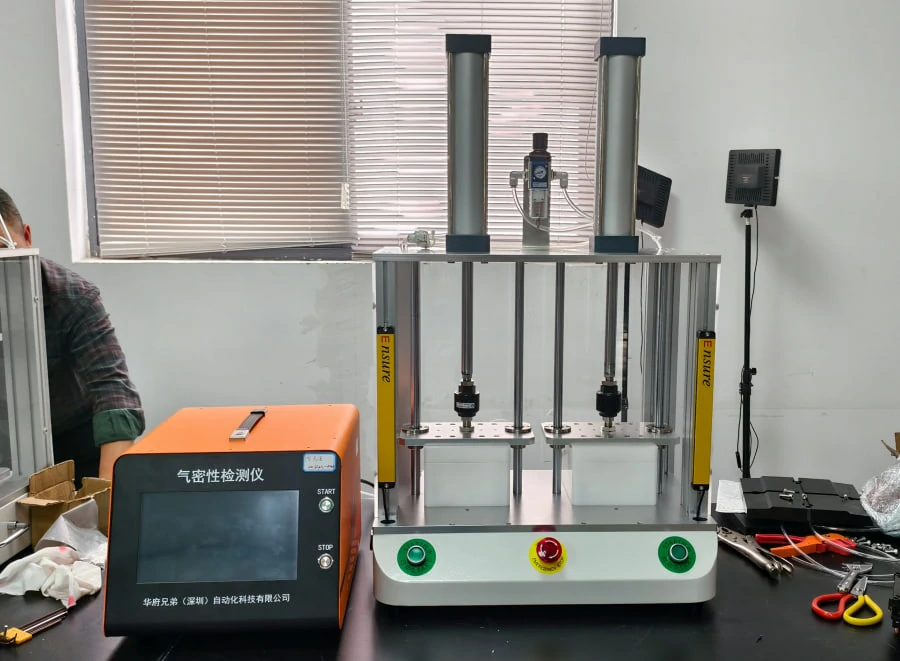 Figure 4: Multifunctional relay leak tester with fixture
5. Testing Process Demonstration
The Direct Pressure Method is used, with a positive pressure condition. The test pressure is set to 16 kPa, and the leakage upper limit is 150 Pa.