WAFU
WAFU
Frequent AC dripping and after-sales issues? Leak testing for AC component covers is the key!
1. What Are AC Component Covers?
Simply put, AC component covers refer to parts installed on various housings, cavities, or interfaces of an air conditioning system, serving functions such as sealing, protection, and enclosure. Although they come in different shapes, they share one core mission—ensuring the enclosed space is completely airtight.
2. Why Do AC Component Covers Require Leak Testing?
The fundamental reason AC component covers must undergo leak testing is that they are one of the weakest and most failure-prone links in the sealing chain of the AC system. Once micro-pores or cracks appear, it can directly trigger a series of serious issues.
| Compliance with Environmental Standards | Most refrigerants are potent greenhouse gases. Leakage beyond limits violates the Kigali Amendment and domestic environmental regulations, leading to heavy fines for manufacturers. |
| Ensuring Cooling Performance | Air conditioners rely on refrigerants such as R32 and R410A circulating in a sealed system. If components like compressor end covers or valve covers lose sealing, a 10% refrigerant loss can reduce cooling efficiency by 15%–20%, resulting in poor cooling performance. |
| Preventing Air and Moisture Ingress | AC systems are highly sensitive to moisture and air. Poor sealing of electrical box covers or pipe caps can cause moisture to freeze at the expansion valve, leading to blockages and frequent system shutdowns. |
| Maintaining Stable System Pressure | AC systems must operate under specific pressure conditions. Even a 0.1 mm gap or micro-leak in a component cover can cause high-pressure side leakage, reducing discharge pressure and weakening condensation performance. |
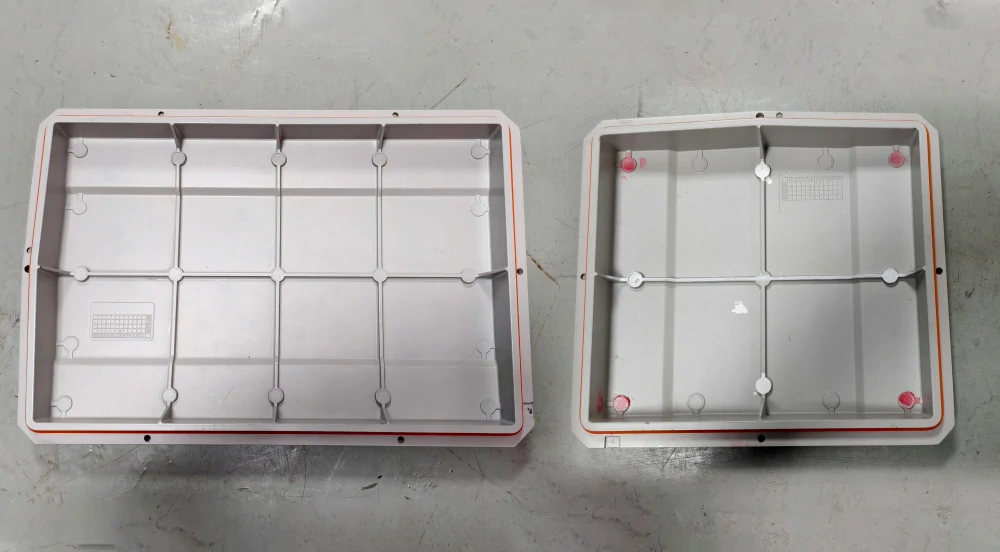 Figure 1: Two AC component covers provided by the customer for testing
3. Solution Design
As shown in Figure 1, two different models of AC component covers need to be tested. The customer required the equipment to be compatible with both, so dedicated fixtures were designed for each product. Switching fixtures enables testing of different models.
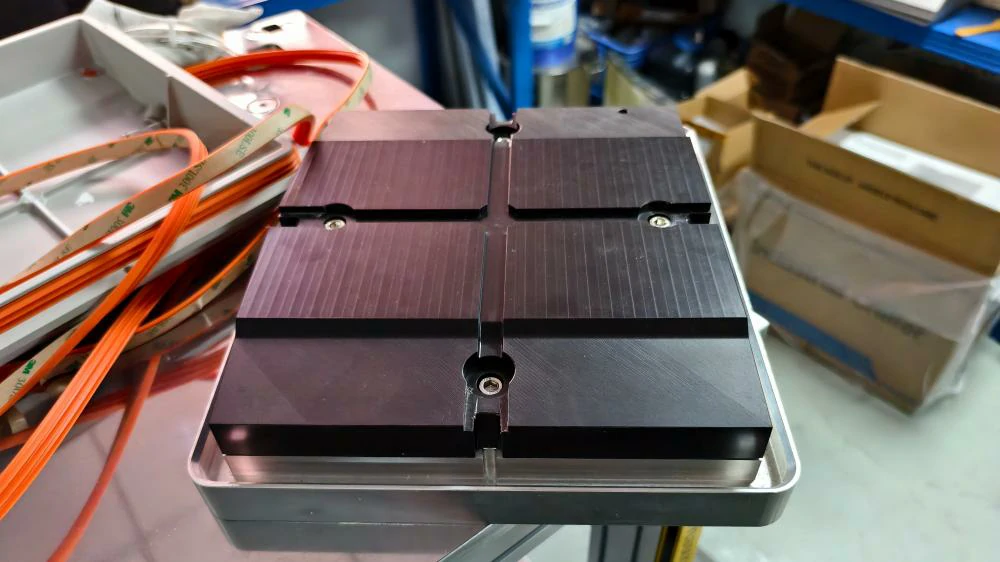 Figure 2: Fixture for the product on the right in Figure 1
Testing Challenge: The product appears symmetrical but actually has orientation requirements. If the operator loads it incorrectly, it may prevent the fixture from closing properly, affecting efficiency; in severe cases, the fixture may damage the product, causing unnecessary losses.
Solution: WAFU Brothers engineers designed a poka-yoke feature for the fixture. When the loading direction is incorrect, the latch cannot be properly engaged.
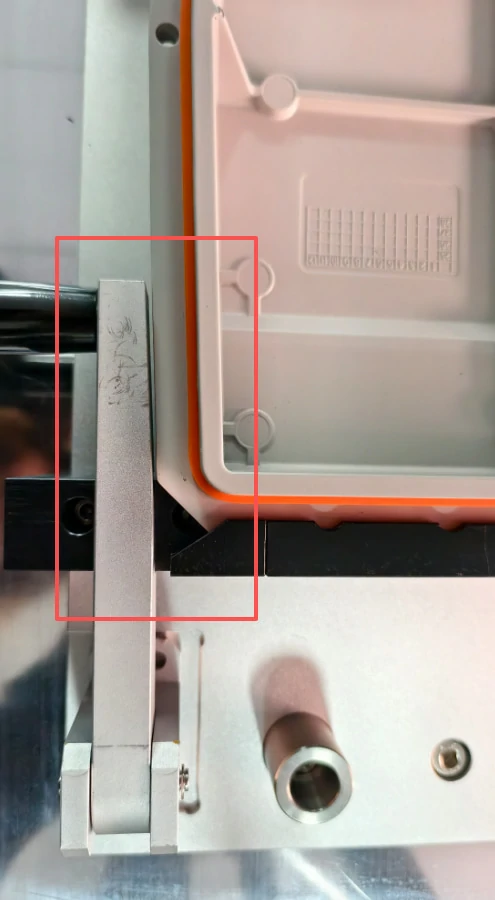 Figure 3: Latch engaged when orientation is correct
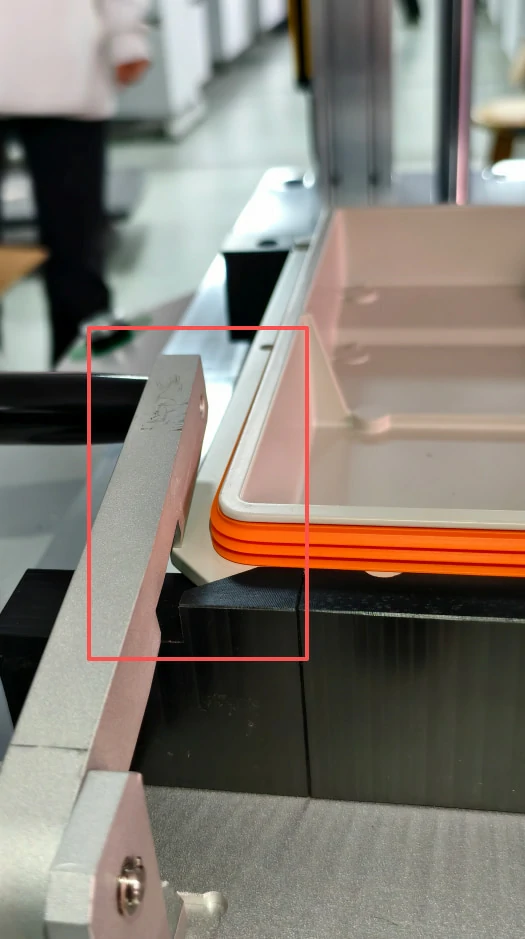 Figure 4: Latch cannot engage when orientation is incorrect
4. Final Equipment
Based on the customer’s production cycle, a single-channel, single-station dedicated leak testing machine for AC component covers was developed. It includes two fixtures, enabling compatible testing of two different product models.
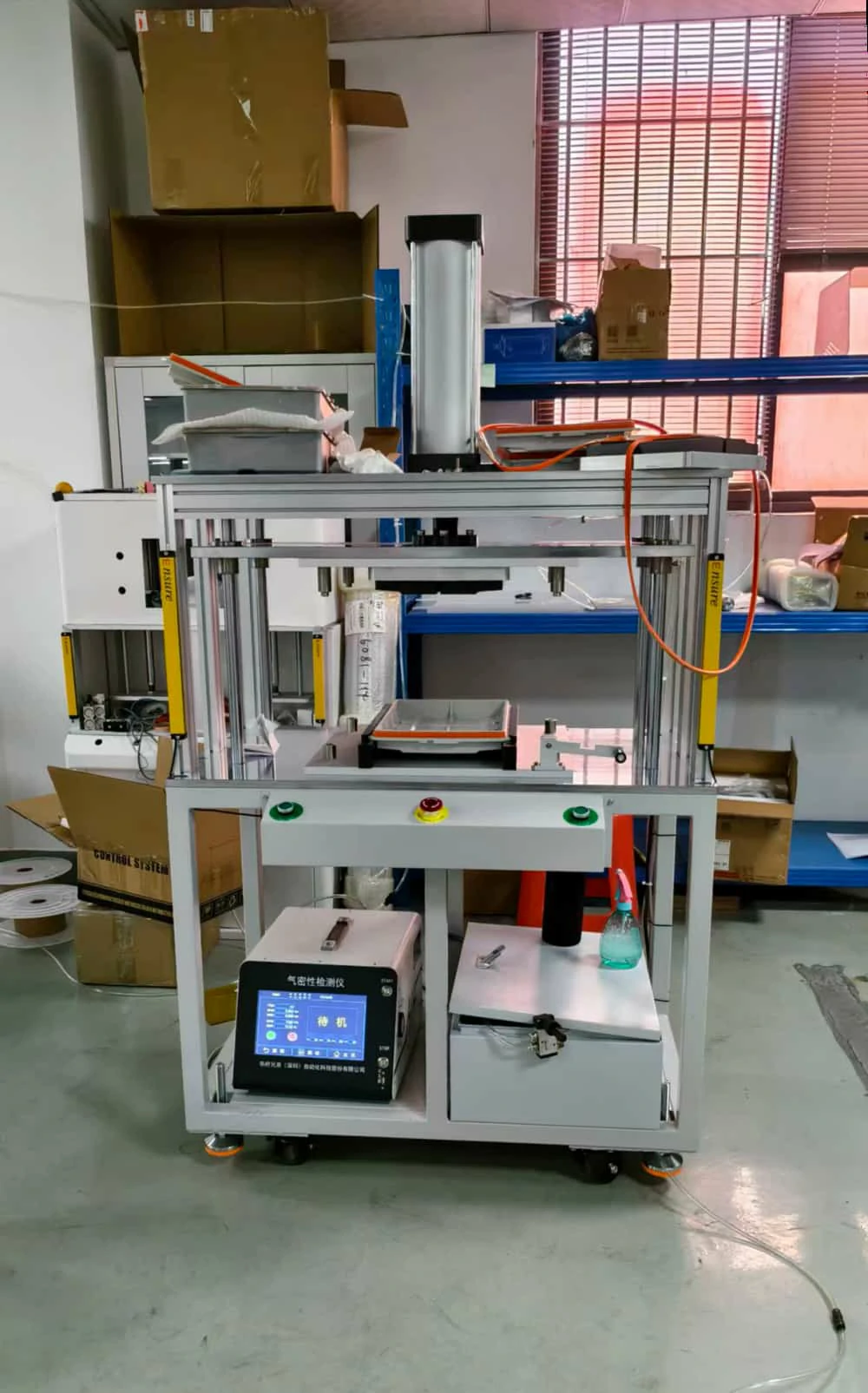 Figure 5: Dedicated leak testing machine for AC component covers
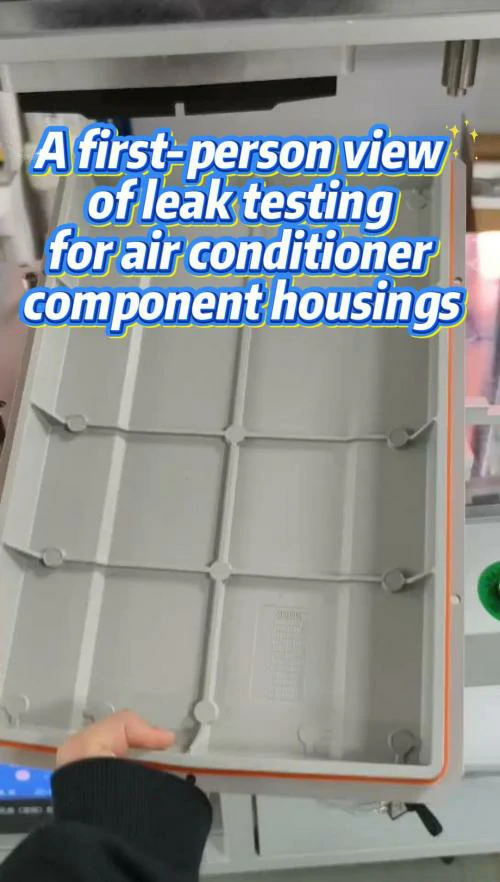
5. Testing Process Demonstration
This test uses the direct pressure method, with a positive pressure setup. The test pressure is set to 15 kPa, with a leakage limit of 100 Pa.