 WAFU
WAFU
Leak Testing Solution for LED Lamp Base Metal Die-Casting Parts
I. Product Overview
Metal die-casting parts, also known as die-cast components, are parts produced through a high-pressure casting process. In this process, molten copper, zinc, aluminum, or aluminum alloys are injected into steel molds at high speed and rapidly solidified. The base component of an LED lamp is located at the lower part or foundation of the lamp. It is a key structural element of the entire LED lamp, usually made of aluminum alloy die-casting. It serves multiple functions including structural support, heat dissipation, protection, and sealing.
II. Why Conduct Leak Testing on LED Lamp Base Metal Die-Casting Parts?
In LED lighting products, especially outdoor street lamps, tunnel lamps, automotive lamps, and industrial lighting, the base metal die-casting part directly determines the strength, protection rating (IP65~IP68), heat dissipation performance, and service life of the lamp. Therefore, leak testing is critical for LED lamp base metal die-casting parts. Below are some common reasons for leak testing, along with the potential consequences if these requirements are not met.
| Common Reasons | Consequences |
|---|---|
| Prevent corrosion and rust | If micro-pores in the casting are not detected, moisture may penetrate, leading to housing cracks or reduced mechanical strength. |
| Ensure stable thermal management | LED lamps generate significant heat. The base die-cast part usually functions as a heat dissipation base. Poor leak may cause condensation under thermal cycling, reducing cooling efficiency. |
| Prevent dust and impurity intrusion | Once dust or particles enter the lamp housing, they can affect light transmission, heat dissipation, and luminous efficiency. |
| Improve product reputation and reduce after-sales cost | Large-scale leak issues can increase return rates, resulting in higher maintenance costs and brand reputation damage. |
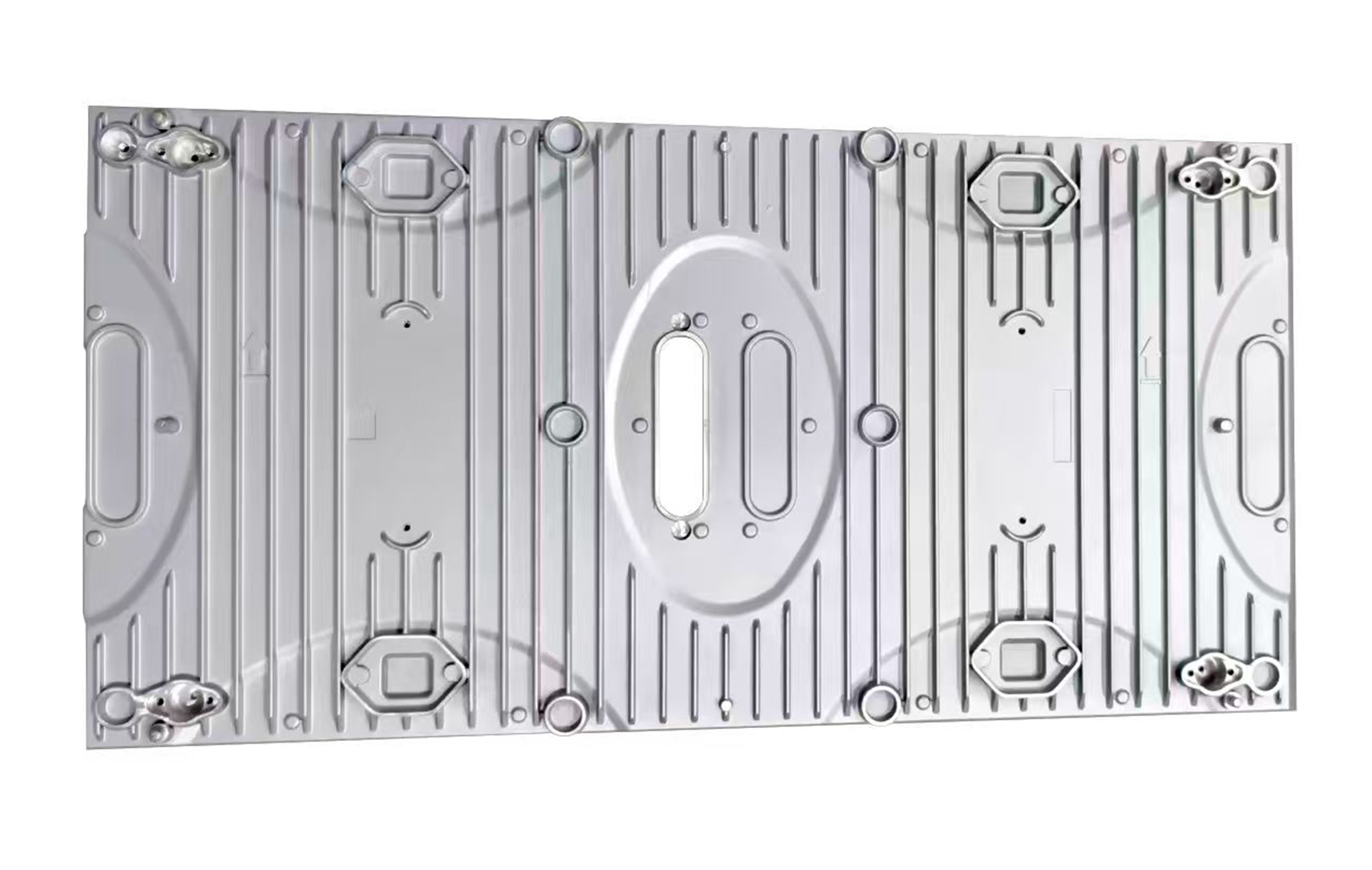 Figure 1: LED Lamp Base Metal Die-Casting Part Provided by Customer for Testing
Risk Case
A certain LED lamp manufacturer once used aluminum alloy die-cast bases with micro-porosity at the bottom of the lamp. Since no precise leak testing was performed before shipment, a large number of products quickly developed problems such as yellowing, dimming, and housing cracks in customer use. This led to massive returns and brand complaints. After introducing the WAFU Brothers Leak Tester, each product was precisely tested using the positive pressure method, effectively screening out potential defects. This helped reduce the repair rate from over 5% to 0.3%, greatly improving production yield and customer trust. This case clearly demonstrates: performing leak testing on critical die-cast parts is not only a guarantee of quality, but also a safeguard for corporate reputation and market access.
III. Professional Testing Solutions in Detail
Leak testing usually involves three methods: Pressure Decay Method (Positive Pressure), Differential Pressure Micro-Leak Detection Method, and Air Flow Quantitative Detection Method. For more details on these three testing principles, please refer to Leak Testing Principles. Below is a detailed introduction to the three methods for testing metal die-casting parts:
Comparison of Testing Methods
| Testing Method | Detection Sensitivity | Technical Parameters | Applicable Parts |
|---|---|---|---|
| Pressure Decay Method | ±0.8mmHg | Test pressure range: 0-200mmHg | Overall leak of die-cast parts |
| Differential Pressure Micro-Leak Detection Method | ±0.3mmHg | Particularly suitable for detecting tiny gaps and micro-leaks | Critical sealing interfaces and joints |
| Air Flow Quantitative Detection Method | Accurately quantifies leakage rate (mL/min) | Applicable to: pressure chambers and gas channels | Pressure chambers and gas channels |
IV. Standard Testing Workflow Demonstration
Leak testing usually follows a standardized workflow. Through regulated steps, not only can the accuracy of the test results be guaranteed, but also production efficiency and quality stability can be improved. Below is an example of leak testing of metal die-casting parts using the Pressure Decay Method:
| Testing Stage | Specific Steps |
|---|---|
| Pre-treatment Stage | Calibrate testing equipment and confirm environmental parameters |
| Prepare and install dedicated fixtures to secure the die-casting part | |
| Connection Stage | Connect the air source and testing interface of the die-casting part |
| System automatically identifies test program and prepares for testing | |
| Testing Stage | Apply preset test pressure (typically 150mmHg) |
| Maintain stable pressure for 10 seconds to ensure sealing (known as holding stage) | |
| Record pressure decay and flow data, monitor for 60 seconds | |
| Evaluation Stage | Compare testing data with standard threshold |
| Automatically generate test report and quality rating | |
| Audio-visual alarm indicates whether the test result is qualified or abnormal |
The following demonstrates the testing process in a real case. In the video, the customized all-in-one tester from WAFU Brothers is used as the testing equipment, which is also the actual device ordered by the customer. As shown in the above process, the pressure decay method is applied for the test.
Video: Leak Testing Process
For leak testing of LED lamp metal die-casting parts, it is a key step to ensure long-term durability and stability of the product. Through WAFU Brothers’ professional testing solutions, the sealing performance of die-casting parts can be effectively improved, reducing the risk of component failures during use, enhancing production line efficiency, improving product quality, and strengthening the company’s competitiveness in the market.