 WAFU
WAFU
Electric Kettle Sensor, leakage rate <0.1Pa? Verified by real data: use this leak testing method to eliminate “leaks within six months”
1. Product Overview
The electric kettle sensor is mainly used for temperature monitoring in kettles, based on NTC thermistor technology. As the water temperature rises, the resistance value of the thermistor decreases accordingly, increasing the current flowing through it, thereby changing the voltage or current signal in the control circuit. It is the core sensing component that enables intelligent control and safety protection in electric kettles.
2. Why does the electric kettle sensor require leak testing?
The temperature sensor in an electric kettle is exposed to high-temperature steam and water for long periods, so it has strict requirements for waterproofing and sealing performance.
| Eliminate circuit hazards | Moisture penetrates through installation gaps into the bottom of the kettle or circuit board, causing dampness or short circuits. |
| Prevent accidents | After the circuit board becomes damp, control failure may occur, causing the heating element to continuously heat and result in dry burning accidents. |
| Ensure stable operation | Water ingress into the sensor causes resistance drift, leading to incorrect temperature judgment by the control circuit, resulting in water not boiling or continuous boiling without power cutoff. |
| Avoid component damage | Metal components exposed to a humid environment for a long time may corrode, further expanding the sealing failure range. |
Note* At the customer's request, the actual product is not displayed. The image below is for illustration only.
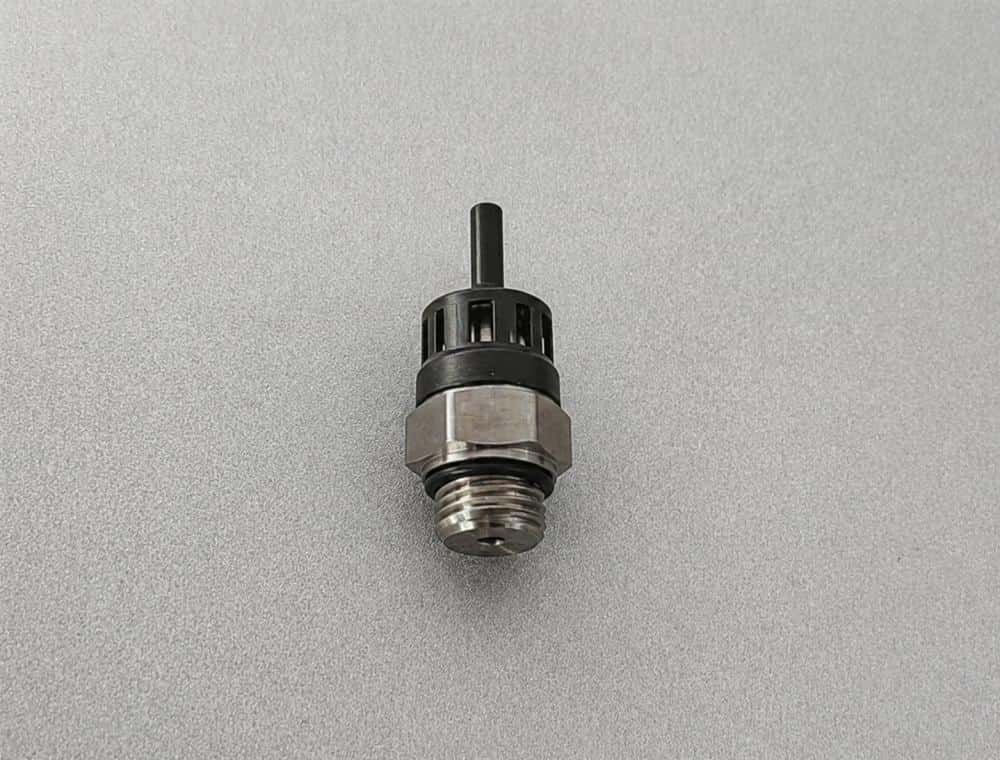 Figure 1: Concept image of the electric kettle sensor
3. Key Testing Points
The sensor housing is made of food-grade 304 stainless steel. During smelting and rolling processes, the surface is prone to defects such as micro longitudinal cracks, peak-shaped cracks, and edge cracks, so overall leak testing is applied to the electric kettle sensor.
The customer aims to maximize testing efficiency within a limited budget, so a “one-to-two” single-channel dual-station fixture was designed.
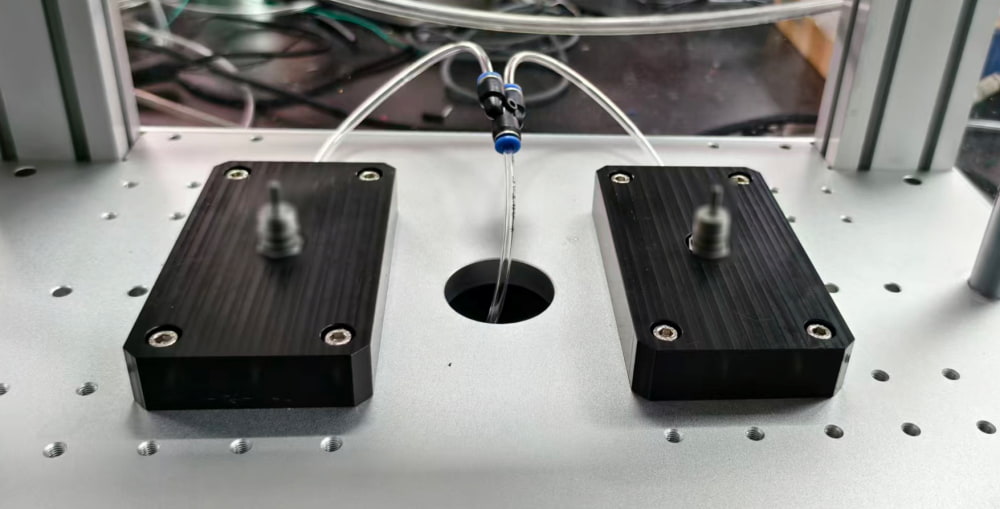 Figure 2: Single-channel dual-station setup for electric kettle sensor
Testing challenge: Although the product is small and already allows fast testing, the customer still wanted to further reduce the cycle time.
Solution: Internal filling was added in the fixture to stabilize loading while reducing pressurization and holding time.
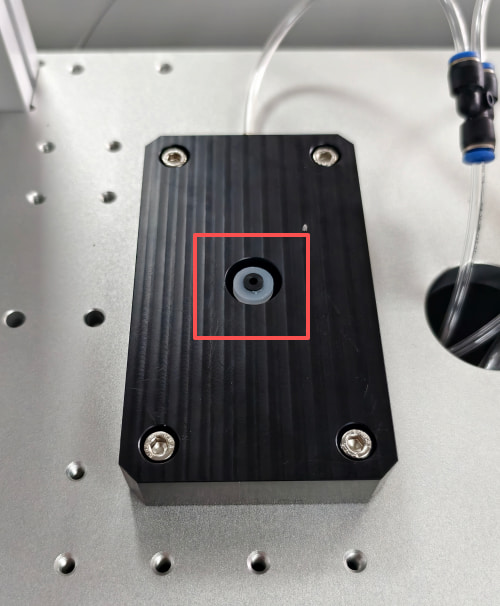 Figure 3: Internal filling inside the fixture
4. Final Product
Based on the customer’s requirements, a dedicated leak tester for electric kettle sensors was designed and manufactured. It adopts a “one-to-two” single-channel dual-station design, achieving maximum testing efficiency within a limited budget.
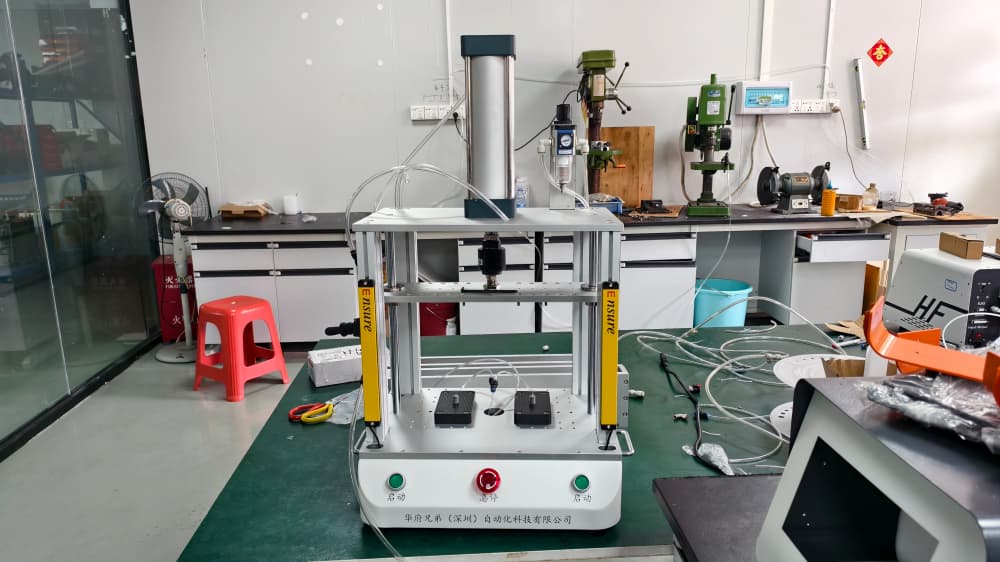 Figure 4: Dedicated leak tester for electric kettle sensor
5. Testing Process
The direct pressure method is used. The test uses positive pressure, with a test pressure of 10kPa and a leakage limit of 100Pa.
- 1. Place the product into the fixture.
- 2. Press the start buttons on both sides to begin testing.
- 3. The upper fixture presses down to seal the product and starts pressurization.
- 4. Testing begins, mainly divided into four stages: pressurization, pressure holding, testing, and exhaust.
- 5. After testing, the result is displayed on the screen: PASS for qualified and FAIL for unqualified. Indicator lights on the fixture correspond to the result. A buzzer alarm can be set for defective products.