 WAFU
WAFU
What Is a Waterproof Testing Machine ?
If you are a factory owner and the products you manufacture require “waterproof” performance, you may have heard of “leak testers” and “waterproof testers”. The names sound self-explanatory, but what exactly is this device? Can it really meet my waterproof testing needs?
This article will systematically explain this equipment and unveil the mystery behind its name, principles, and applications.
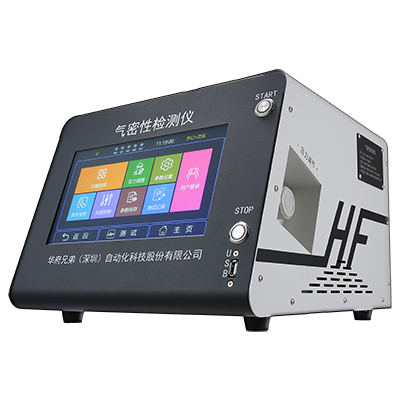
1. Names and Definition: More Than Just “Waterproof”
You may hear it called by different names: a waterproof tester, also known as a leak tester or sealing integrity tester. These three names refer to the same core equipment, but each emphasizes a slightly different aspect:
- Waterproof Tester: Named from a functional perspective, directly indicating its most common application—testing products (such as smartphones, watches, and cameras) for waterproof performance to ensure they meet IP67, IP68 and other dustproof and waterproof ratings.
- Leak Tester: Named from a principle perspective, revealing its scientific essence. It does not test directly “with water,” but instead determines sealing integrity by checking whether compressed air (or other gases) leak. This is a more precise and non-destructive testing method.
- Sealing Integrity Tester: Named from a purpose perspective, covering broader applications. It is used not only for waterproofing, but also for detecting any product that must prevent gas or liquid leakage, such as automotive fuel tanks, medical catheters, and gas valves.
Simply put, it is a precision instrument that monitors changes in gas pressure or flow to quickly, non-destructively, and quantitatively determine whether a product housing or cavity has leakage defects.
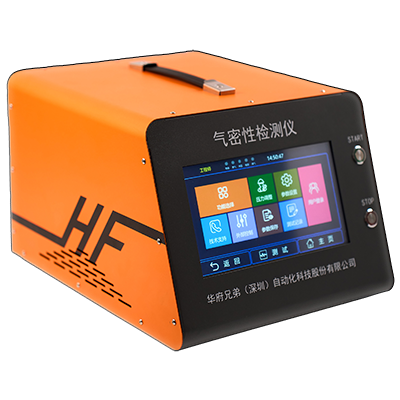
2. Core Principle: The Invisible Air “Detective”
How does a waterproof tester work? Its core principle is based on monitoring pressure changes in physics, mainly divided into three methods: positive pressure (direct pressure) method, differential pressure method, and flow method.
Regardless of the method, the entire process is usually completed within a few seconds to more than ten seconds, completely without using water, causing no damage or residue to the product, and allowing precise leak rate calculations for data-driven management.
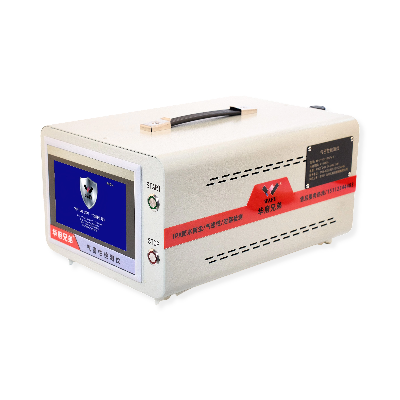
3. What Products Can Be Tested?
Waterproof/leak testing equipment has penetrated various industries related to safety, quality, and reliability, with very broad applications:
- Consumer electronics: smartphones, smartwatches, wireless earbuds, and action cameras all require waterproof testing as a standard process, directly affecting user experience and brand reputation.
- Automotive components: Testing the sealing of automotive headlights, engine ECUs, battery housings, fuel systems, and brake systems to ensure safe vehicle operation in harsh environments.
- Medical devices: Ensuring the sterility and sealing of infusion sets, insulin pumps, surgical instruments, and respiratory masks to prevent infection or functional failure.
- Outdoor security and lighting: Providing reliable waterproof protection for outdoor cameras, diving flashlights, and communication base station equipment.
- Home appliances and kitchen/bath products: Testing the waterproof and leakproof performance of electric toothbrushes, coffee machines, water purifiers, and showerheads.
Almost any product with requirements for waterproofing, dustproofing, or sealing integrity can use this technology.
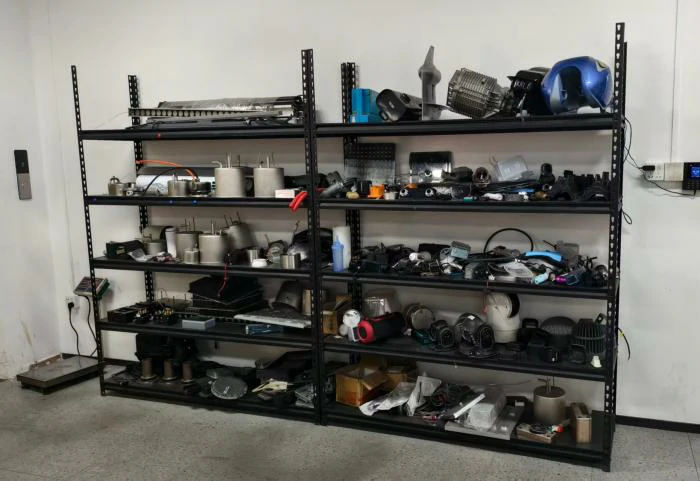
4. Conclusion
In summary, a waterproof tester (leak tester) is the “safety guardian” of modern precision manufacturing. Using scientific and efficient methods, it transforms the vague sensory concept of “waterproof” into precise and quantifiable data indicators. It helps enterprises identify structural leakage risks before products leave the factory, thereby avoiding water ingress failures, customer returns, and brand reputation loss. It is an indispensable quality control device in modern manufacturing.