 WAFU
WAFU
New Energy Battery Leak Testing White Paper: Safety Baseline & Efficiency Revolution
With the explosive growth of the new energy vehicle and energy storage markets, battery safety has become the absolute focus of the industry. As a core method to prevent thermal runaway and ensure IP67 or even IP68 protection levels, leak testing has been upgraded from an auxiliary process to a “lifeline” process in battery production.
This white paper provides an in-depth analysis of technological evolution, industry standards, pain point solutions, and future trends, offering high-value insights for manufacturing enterprises.
1. Industry Background: Safety Concerns Driving Testing Upgrades
1.1 Current Status of the Global New Energy Battery Market
As of 2025, global lithium battery production capacity has entered the TWh era. With the continuous increase in energy density, the safety margin of battery packs (Pack) and cells has been compressed. Whether prismatic, pouch, or cylindrical batteries, the intrusion of moisture and dust is a major cause of insulation failure, internal short circuits, and even thermal runaway.
1.2 Why Leak Testing?
IP67 protection has become a standard requirement for power batteries. Compared with traditional water testing, leak testing offers:
- Non-destructive: No moisture introduced, avoiding secondary contamination.
- High sensitivity: Capable of detecting micron-level leaks (leak rates at the level of 1Pa·m³/s).
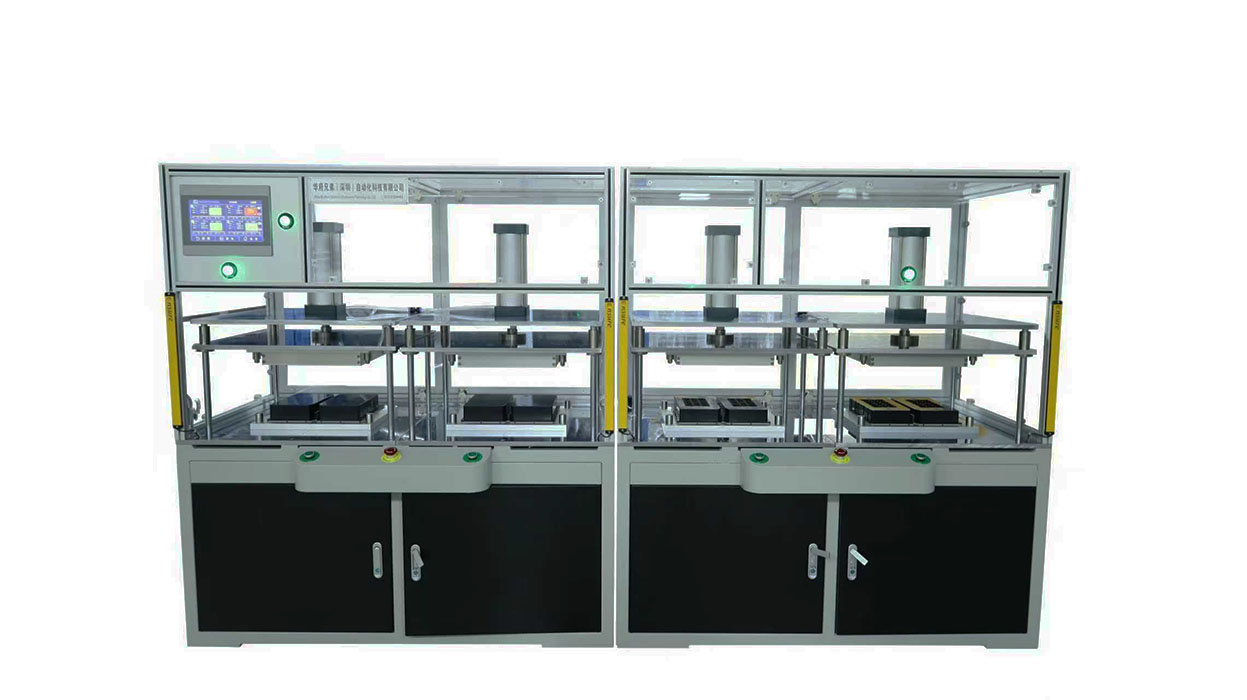
- Short cycle time, suitable for automated production lines.
2. Core Technologies and Selection Guide
In the field of leak testing, there is no “universal” instrument, only the solution that best fits the product logic. Currently, mainstream technical approaches are divided into two types:
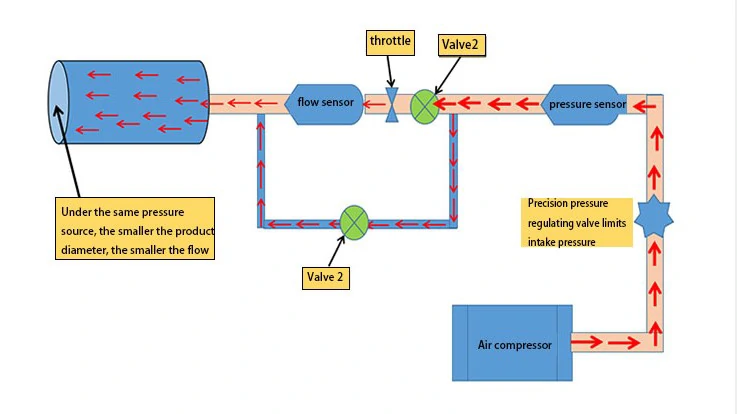
2.1 Direct Pressure Method
Principle: Fill the workpiece with gas at a certain pressure, cut off the air source, and observe the pressure drop over time.
Pain point: Easily affected by temperature fluctuations; for large-volume battery packs, testing time is long and stability is relatively poor.
2.2 Differential Pressure Method
Principle: Compare the test piece with a reference part and measure the pressure difference between them using a high-precision sensor.
Advantage: Accuracy can reach ±0.1% FS, with strong resistance to environmental interference.
3. Three Major Challenges Facing the Industry
Although leak testing technology is relatively mature, manufacturing enterprises still face significant challenges in practical implementation:
3.1 Conflict Between Large Volume and Short Cycle Time
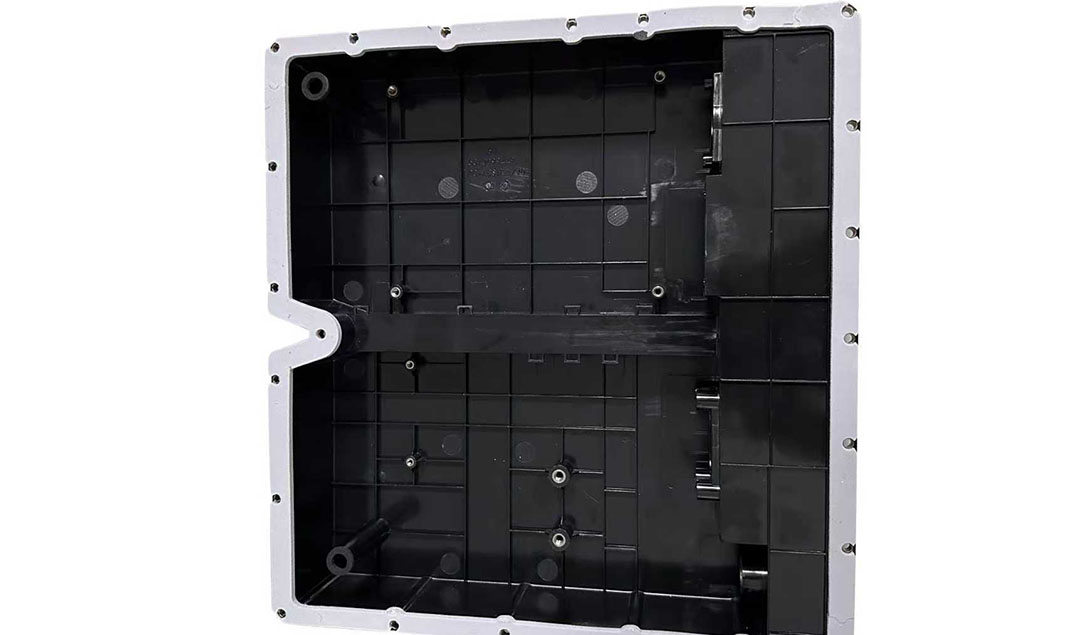
With the widespread adoption of CTC (Cell to Chassis) technology, battery packs are becoming increasingly larger (volume >2 cubic meters). Traditional inflation, stabilization, and testing cycles take too long, severely limiting production line takt time (typically ≤3 minutes per pack).
3.2 Misjudgment Caused by Temperature Disturbance
In non-constant temperature workshops, large workpieces experience “adiabatic compression” during inflation, leading to temperature rise and pressure fluctuations. Traditional algorithms struggle to distinguish between pressure drops caused by temperature recovery and actual leaks, resulting in false alarm rates as high as 5%–10%, greatly affecting OEE (Overall Equipment Effectiveness).
3.3 Complexity of Multi-channel Testing
Battery packs often contain multiple independent chambers (battery compartment, high-voltage compartment, liquid cooling circuit). A single station needs to test multiple circuits simultaneously without cross-leakage. Achieving parallel testing and precise leak localization is a key challenge in automation integration.
4. Advanced Solutions — Intelligence and Digitalization
To address these challenges, the new generation of leak testers is evolving toward “algorithm-driven” and “full-chain digitalization.”
4.1 Dynamic Compensation Algorithms
Modern high-end leak testers are equipped with adaptive temperature compensation algorithms. By building volume models and simulating thermodynamic changes during inflation, temperature interference is eliminated, reducing false alarm rates for large-volume testing to below 0.5% while shortening stabilization time by about 30%.
4.2 Modular Parallel Testing System
For dual-chamber testing requirements of liquid cooling plates and battery packs, an independent multi-channel module design is adopted. Each channel independently controls pressure and judgment criteria. Through timing optimization, synchronized inflation and staged judgment are achieved, reducing the overall testing cycle to within 2 minutes.
4.3 Industrial IoT and Data Traceability
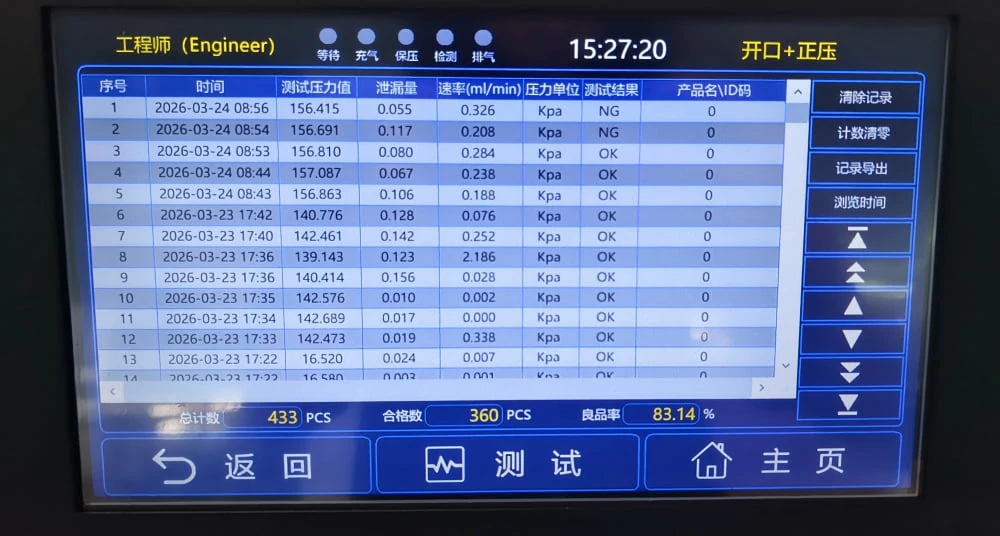
Leak testing data is an important part of battery lifecycle management. Through the OPC UA protocol, test curves, leak values, and environmental parameters are uploaded to the MES system in real time, enabling one-code-per-cell traceability so that each battery cell or pack can be tracked throughout its lifecycle.
Conclusion: Building an Impenetrable Safety Barrier
In the pursuit of ultimate safety and extreme manufacturing for new energy batteries, leak testing is no longer just simple “leak detection,” but a core competitiveness factor that affects brand reputation, user experience, and enterprise survival. Choosing a high-precision, highly interference-resistant, and digitally capable leak testing solution can not only meet current IP67/IP68 standards but also leave sufficient room for technological upgrades over the next 3–5 years.
If you are looking for a reliable sealing test solution for battery or energy storage products, feel free to contact a professional technical team. We provide free sample testing and production line automation integration consulting to help you accurately match testing solutions and ensure every product can withstand sealing challenges.